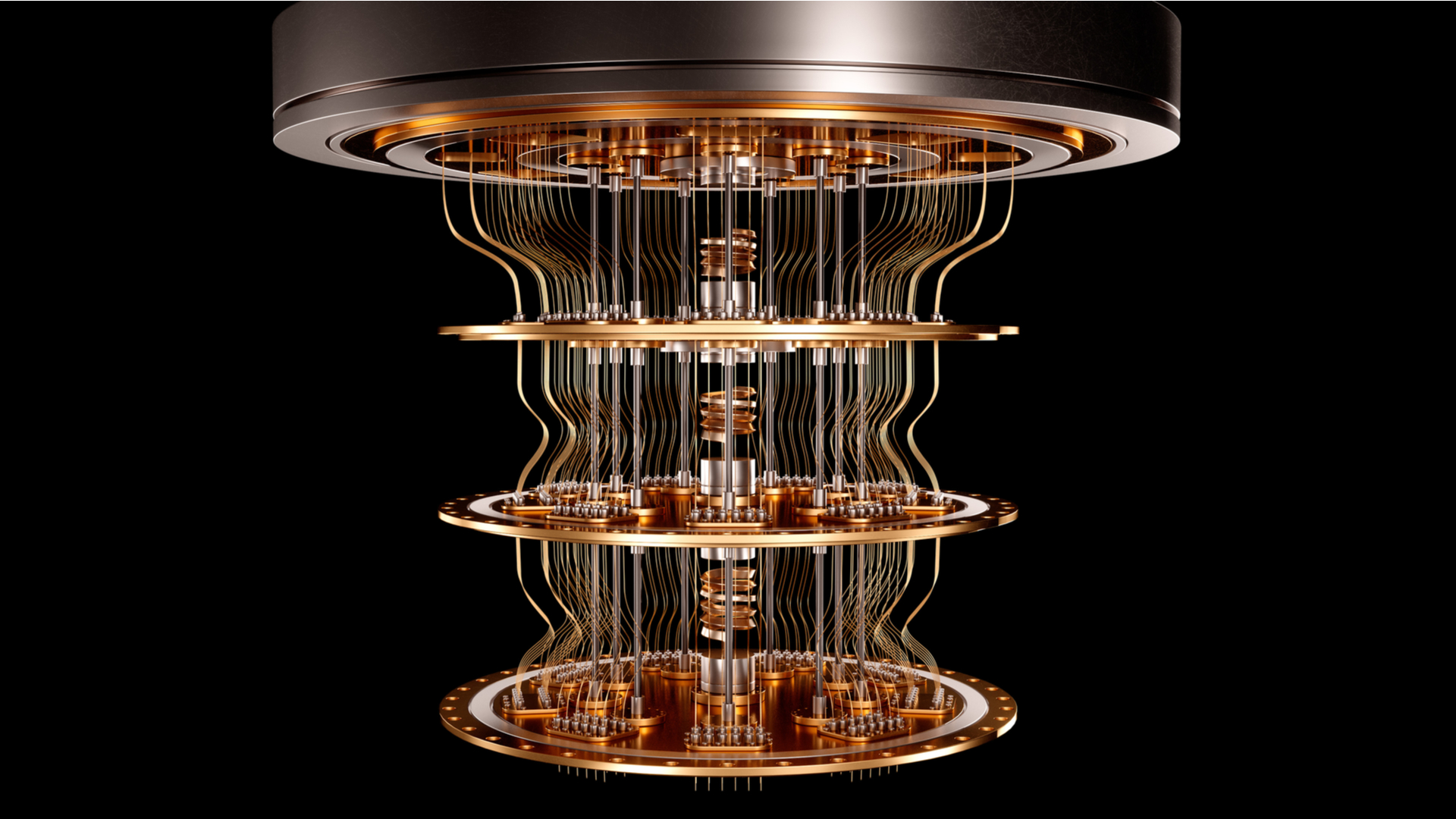
In a recent breakthrough in the field of quantum computing, Google has unveiled a new quantum chip named Willow, marking a significant advancement over its predecessors. This chip, revealed on December 10, 2024, is not just a piece of technology but a gateway to a future where quantum computing could redefine the possibilities of computation.
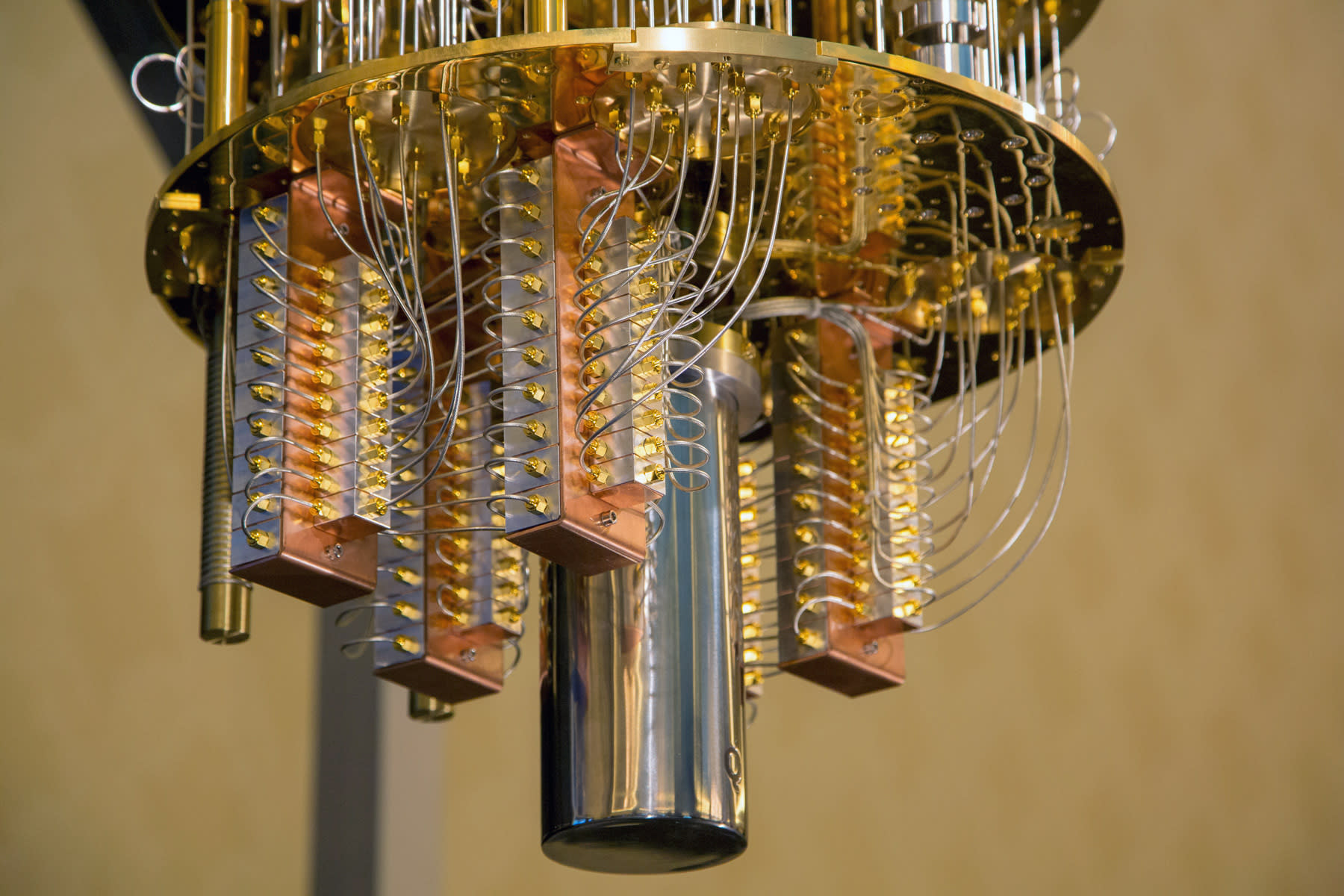
A Milestone in Quantum Computing
Google's quantum computing lab, known for pushing the boundaries of computing technology, announced that Willow can complete complex computing tasks in under five minutes—a task that, according to Google, the world's fastest supercomputers would need 10 septillion years to achieve. This claim highlights a quantum leap from Google's 2019 announcement, where their quantum processor completed a similar task in three minutes, a task that would typically take a supercomputer 10,000 years. The introduction of Willow is seen as a game-changer in the realm of quantum computing, primarily because of its error reduction capabilities. Traditional computers use bits as the basic unit of data, which are either a 1 or a 0. However, quantum computers use qubits, which can represent numerous possible combinations of 1 and 0 at the same time. This ability allows quantum computers to process complex information much faster than traditional systems.Overcoming Quantum Challenges
One of the most significant hurdles in quantum computing is the error rate associated with qubits. Qubits are extremely sensitive and can rapidly exchange information with their environment, leading to errors. However, Google's team has made a breakthrough in error reduction by introducing more qubits into the system, which allows real-time error corrections. This development was significant enough to merit publication in the prestigious journal, Nature.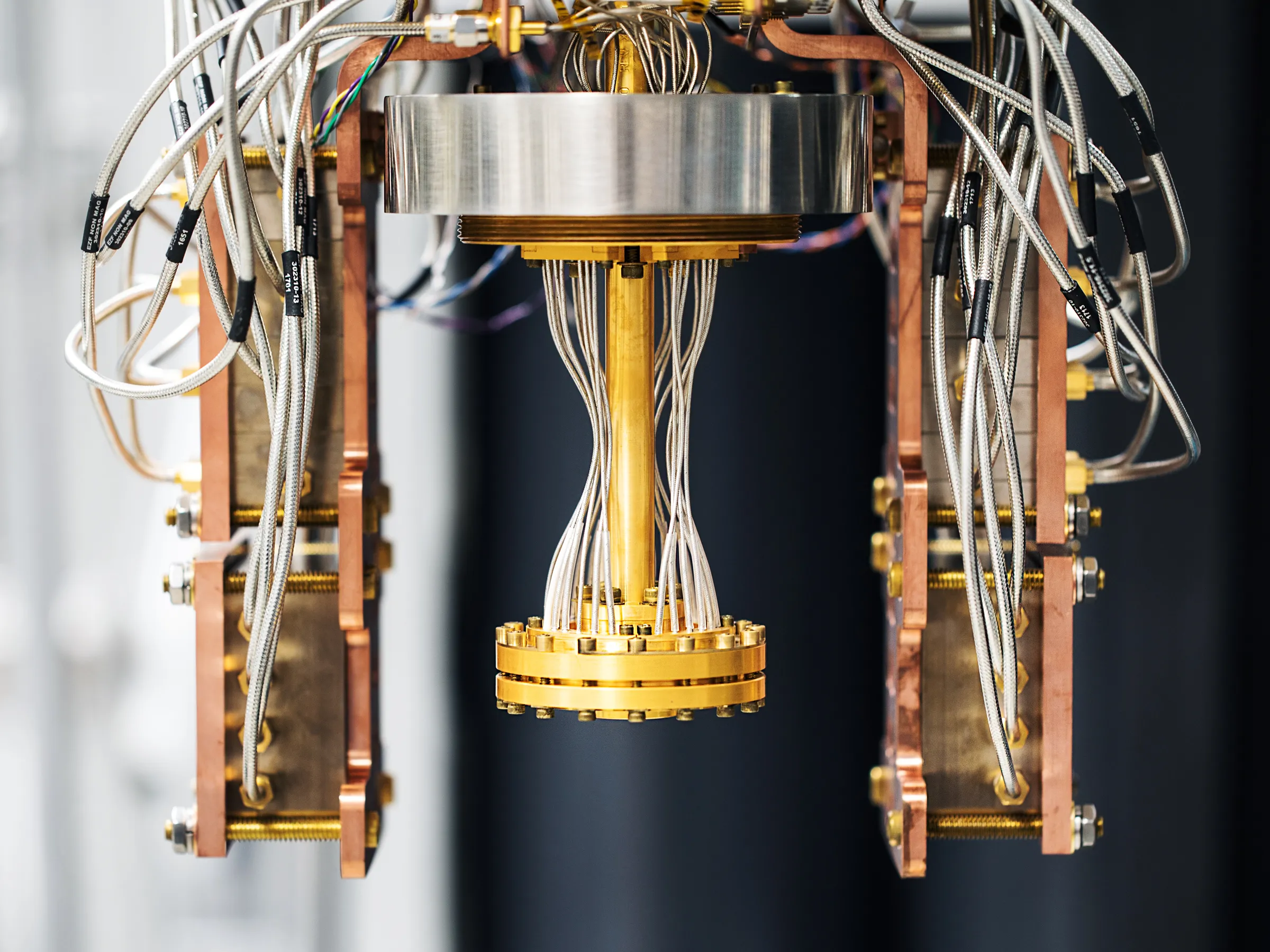
Setting the Stage for Future Competitions
The race for quantum supremacy is heating up, with major players like Microsoft, Amazon, and IBM also developing their quantum systems. Yet, Google's Willow stands out with its 105 qubits and best-in-class performance, setting a high benchmark in the industry. Looking forward, Google's ambitions with quantum technology are not just theoretical. Neven suggests that quantum computing will soon be indispensable for various practical applications, such as AI training, medicine discovery, designing efficient batteries for electric vehicles, and even in energy sectors like fusion.