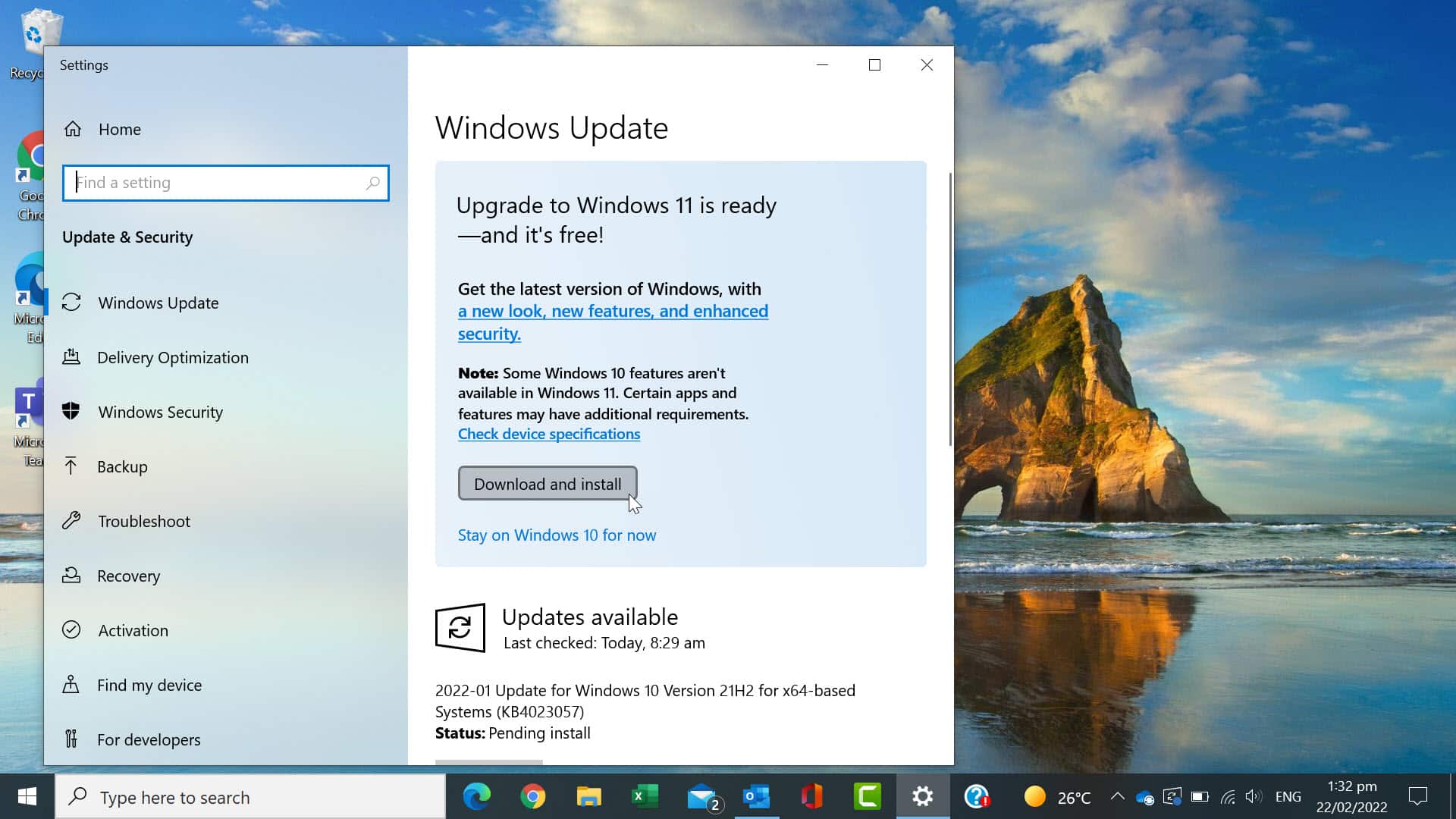
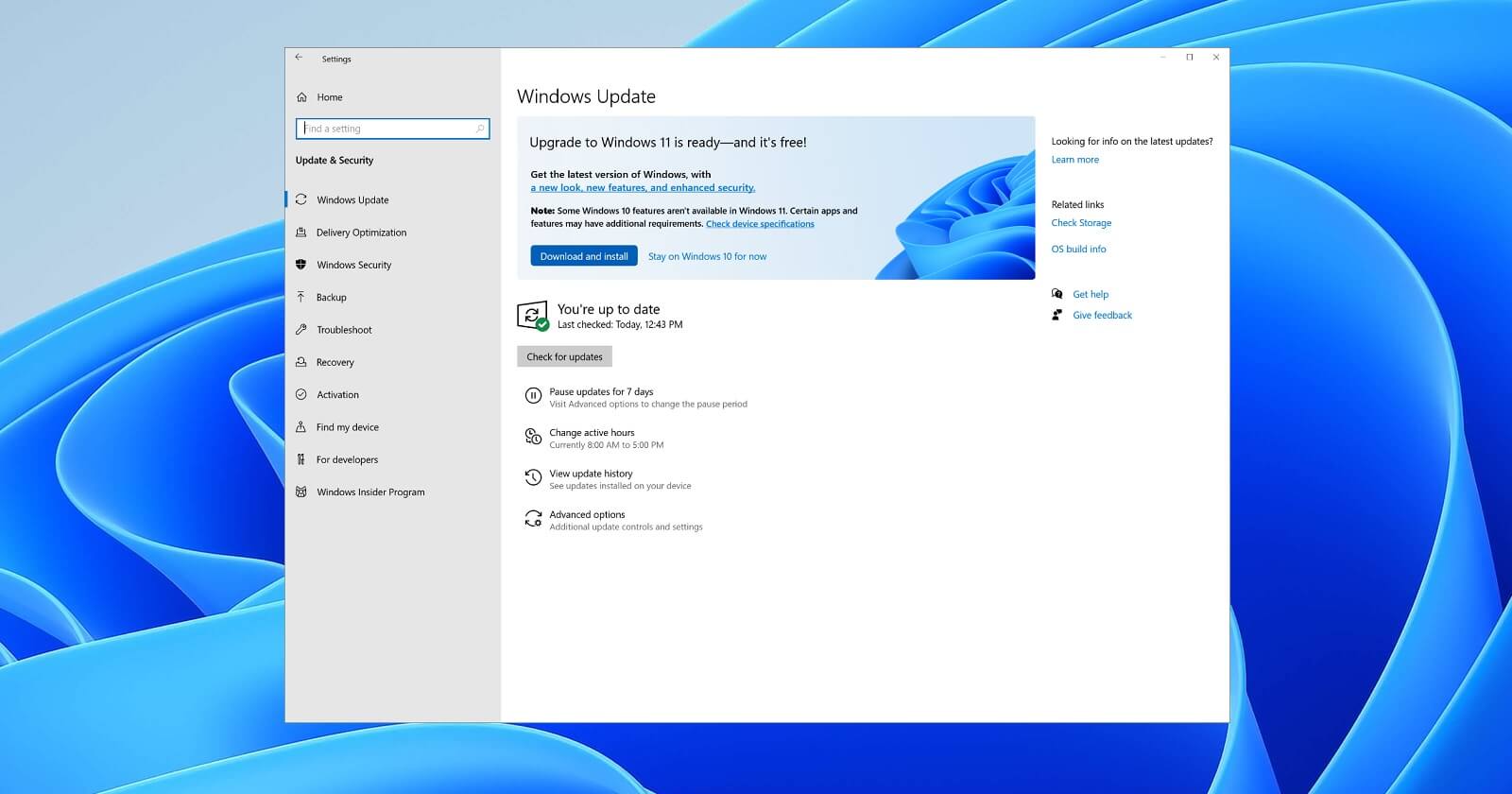
In a stunning twist of software strategy, Microsoft has left millions of Windows users grappling with mixed messages regarding the latest Windows 11 updates. Just as the tech giant rolled out its final Patch Tuesday update for 2024, which patched a new zero-day among 71 vulnerabilities, it also issued a stern warning to its user base. Approximately 400 million users were told they risk losing access to future security fixes if they proceed with updating their PCs to Windows 11—especially those systems that do not meet the Trusted Platform Module (TPM) 2.0 hardware requirement.
A Sudden Shift in Strategy
However, the narrative took an abrupt turn as Microsoft seemed to backtrack, suddenly allowing updates on machines previously deemed incompatible. This about-face was reported by PC World, which noted the puzzling change in policy, stating, "Despite years of warning, not even a week ago, Microsoft doubled down on its policy that requires PCs to have TPM 2.0-compatible hardware to install Windows 11. But now, they are issuing instructions for installing Windows 11 on incompatible PCs." This policy reversal could have potentially triggered "the single largest surge in junked computers in history," with severe implications for both consumers and the environment. Yet, this drastic shift might actually be moot. As reported by CyberNews, while Microsoft permits the installation of Windows 11 on older hardware, it cautions against it due to numerous potential compatibility issues. The firm also reminded users that failing to meet the minimum requirements could result in not receiving future updates, including crucial security patches.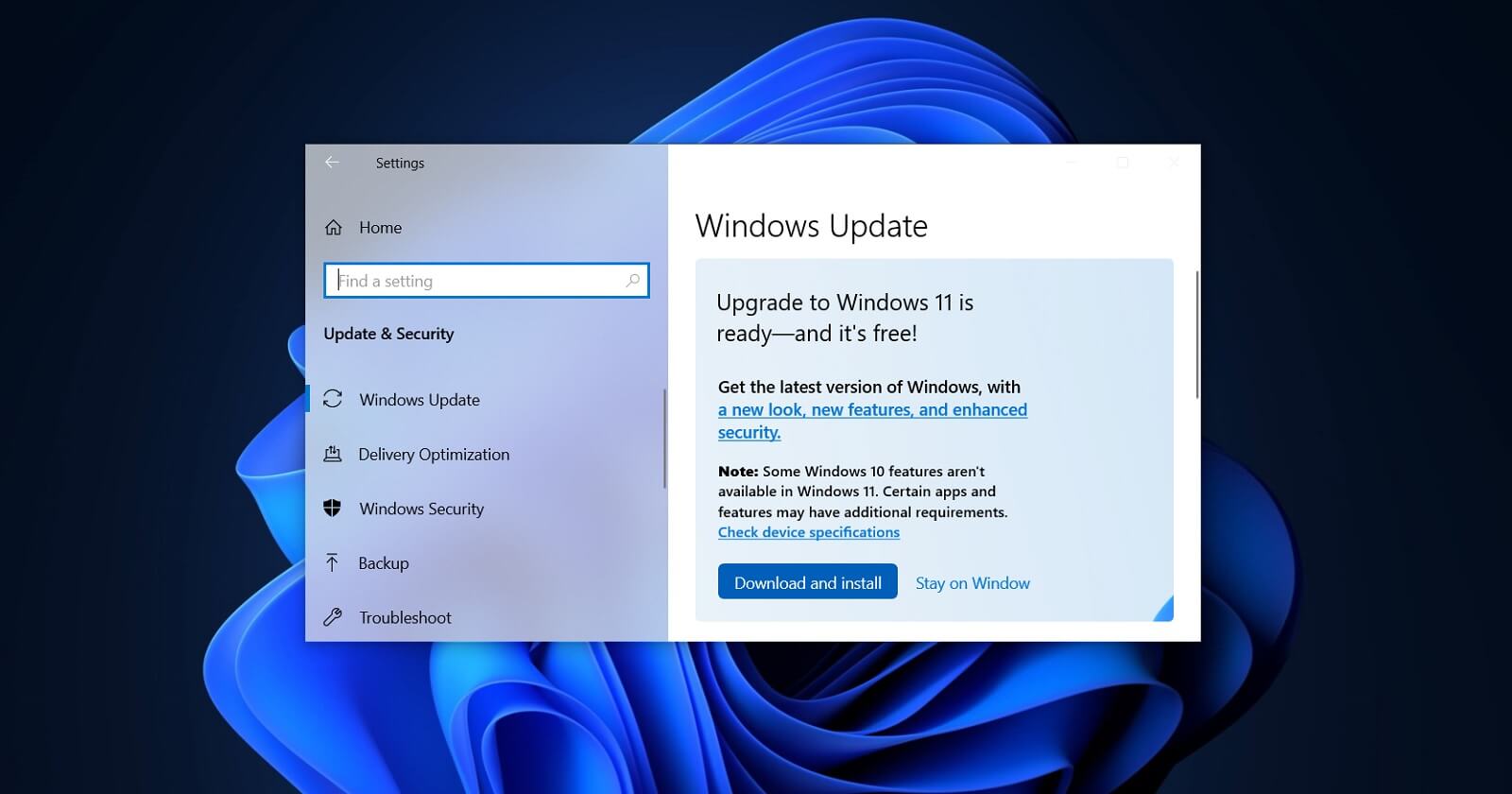
The Fine Print and Future Implications
Microsoft has placed a stark disclaimer at the forefront of its support document for installing Windows 11 on devices that fall short of the system requirements. The disclaimer warns that proceeding with the installation could end official support for the PC, rendering it ineligible for future updates. "Damages to your PC due to lack of compatibility aren't covered under the manufacturer warranty," the disclaimer reads, urging users to acknowledge their understanding before proceeding. The confusion doesn't stop there. As Windows 10 approaches its end of support, users are caught in a dilemma. They are technically able to upgrade to Windows 11, even on incompatible systems, but such an action would likely result in the loss of support. This paradoxical situation was aptly summarized by Tom’s Hardware: "So we're back to square one."The Need for Clear Guidance
As the deadline for Windows 10 support looms next October, the escalating confusion has left millions unsure of their next steps. Most users lack the technical expertise to navigate this risky upgrade path, potentially leading to severe security vulnerabilities if they unwittingly choose the wrong option. What is urgently needed now is a clear, unified guide from Microsoft that outlines the end-of-life process for Windows 10, clarifying the options available and the risks involved. This guide would help prevent users from navigating through a maze of contradictory information and making ill-informed decisions that could compromise their system’s security.