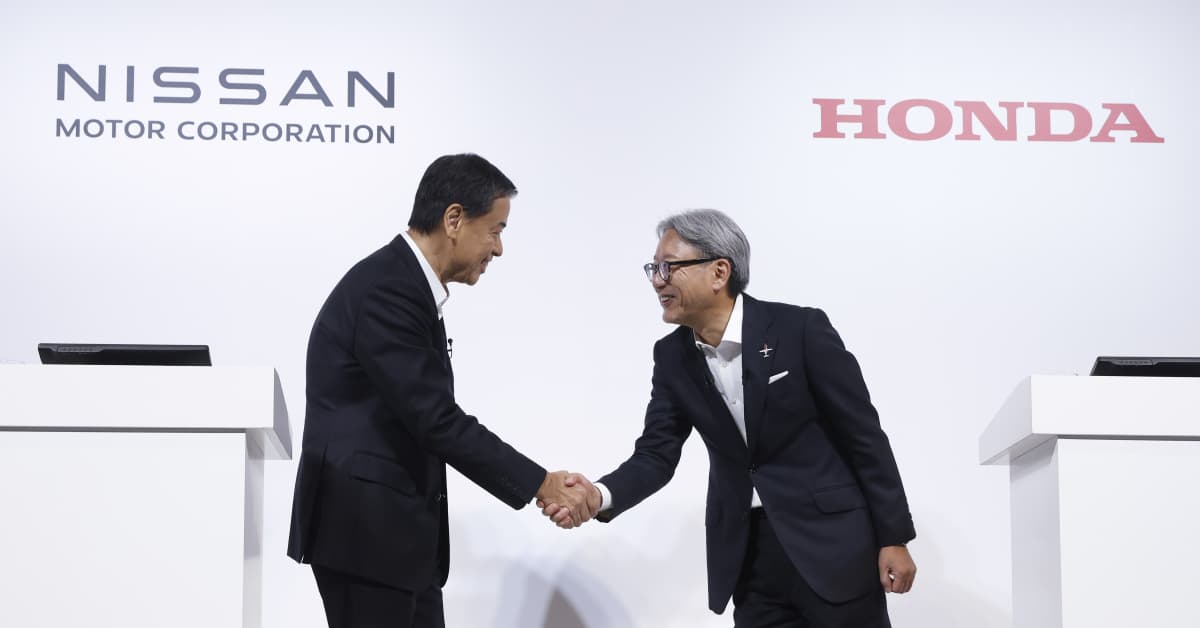
In what could be a transformative shift in the automotive industry, Honda and Nissan, two giants of Japanese car manufacturing, are reportedly in preliminary discussions about a potential merger. This strategic move is aimed at bolstering their positions in the increasingly competitive electric vehicle (EV) market, particularly against formidable rivals in China.
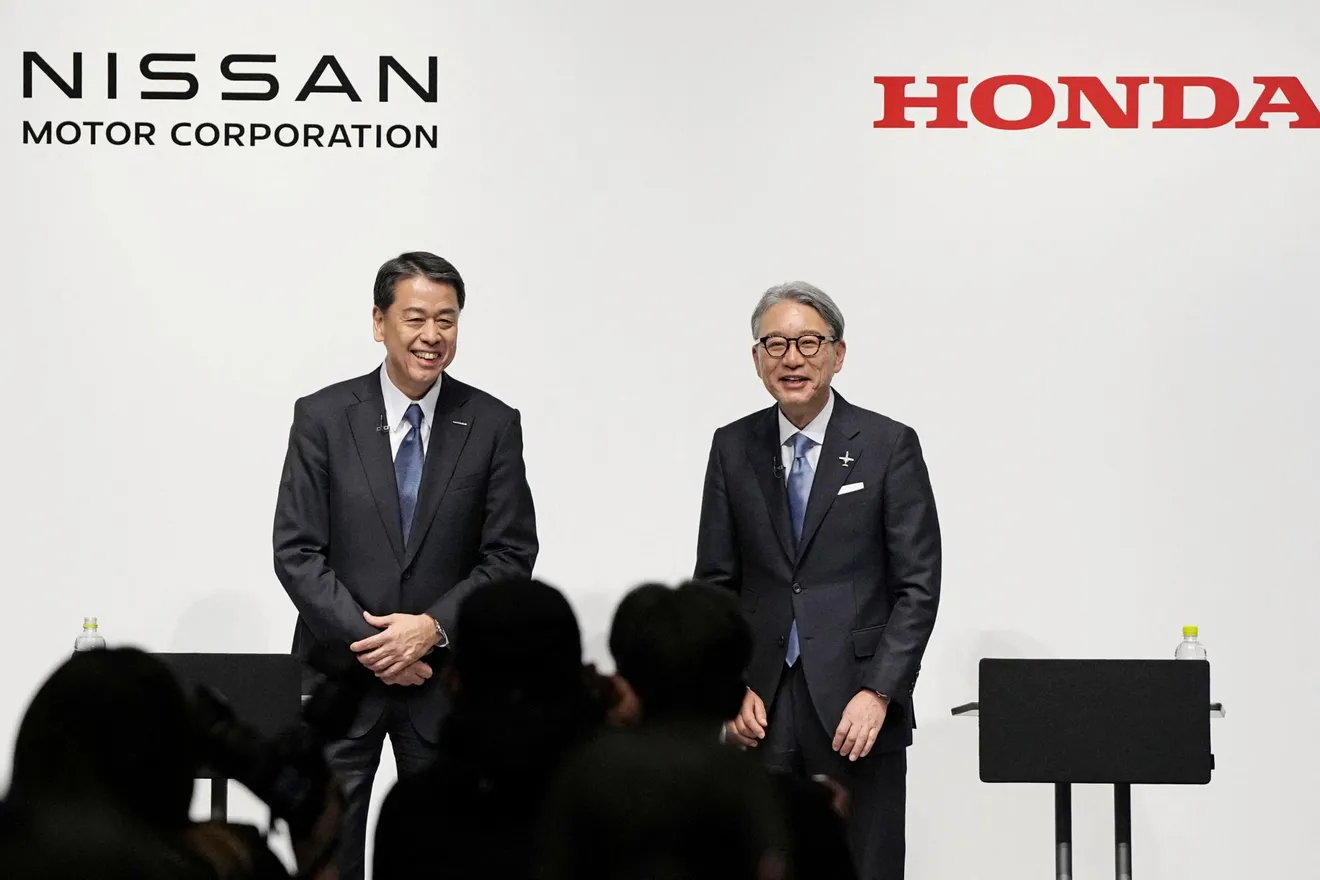
Early Talks Spark Industry Buzz
Sources close to the matter reveal that while the talks are at an early stage, the implications of such a merger could be profound, reshaping the automotive landscape. In March, both companies signaled their readiness to forge a closer relationship by agreeing to explore a strategic partnership focused on electric vehicles, a sector that is seeing exponential growth worldwide.Strategic Collaborations and Market Responses
Following their initial agreement in March, Honda and Nissan have taken concrete steps towards collaboration. This includes joint ventures in EV technology, such as battery development and other technological advancements crucial for competitiveness in this sector. Additionally, in August, the firms expanded their cooperation to include discussions with Mitsubishi Motors about intelligence and electrification, hinting at the possibility of a broader alliance that could also encompass Mitsubishi in the future.The Challenges of a Major Merger
Despite the potential benefits, such a merger faces several obstacles. Politically, the merger would be under intense scrutiny in Japan, where concerns about job losses and corporate restructuring are paramount. Furthermore, Nissan's existing alliance with French automaker Renault could complicate negotiations, requiring delicate handling to unwind or reconfigure existing commitments without disrupting ongoing operations.
Market Reaction and Industry Implications
The news of the merger talks has already caused significant fluctuations in the stock market. Nissan's shares surged by over 23% following the reports, while Honda saw a slight decline. Mitsubishi Motors, potentially a part of this alliance, also experienced a notable increase in share value. This market reaction underscores the high stakes and significant interest in the potential consolidation of these automotive powerhouses.Looking to the Future Amidst Growing Competition
The automotive industry is at a critical juncture, with the shift from traditional petrol and diesel engines to electric vehicles reshaping manufacturing priorities and consumer preferences. Honda and Nissan have both experienced challenges in maintaining their market share, particularly in China, where EV sales are booming and local manufacturers like BYD are becoming increasingly dominant. Industry analysts such as Jessica Caldwell from Edmunds highlight the necessity of such mergers, not just for survival but to finance future innovations and compete effectively on a global scale. The integration of advanced technologies and pooling of resources might be the strategic leverage Honda and Nissan need to stay relevant and thrive in a rapidly evolving marketplace.