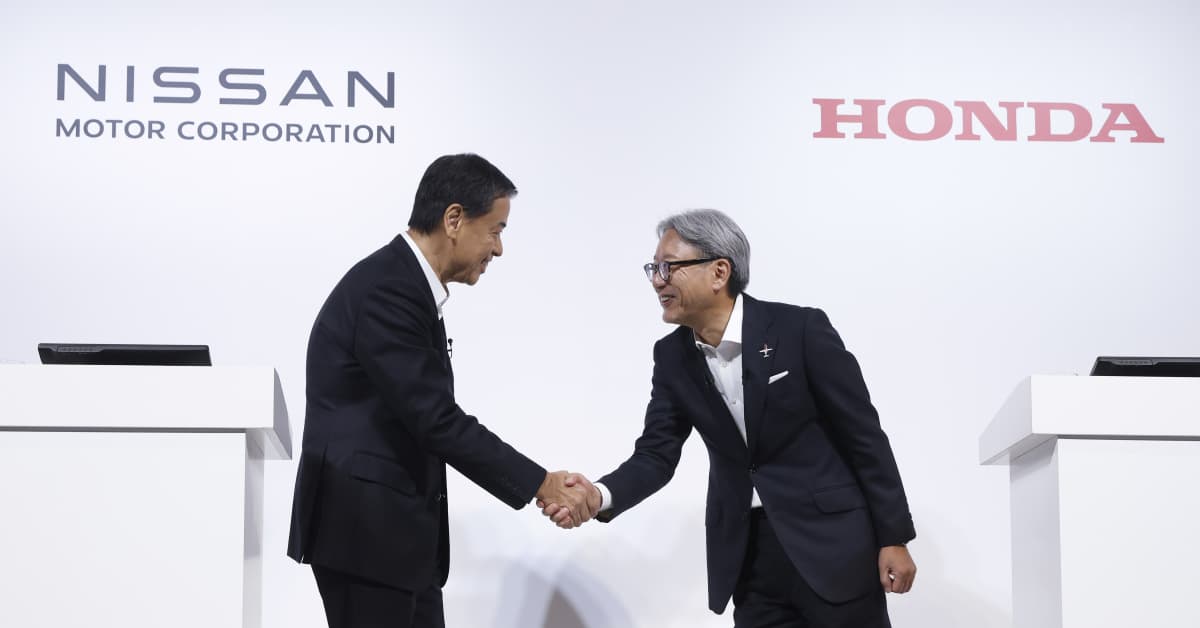
In a stunning announcement from Japan, Honda and Nissan have disclosed plans to pursue a merger that could reshape the global automotive landscape. If realized, this merger would vault the combined entity into the position of the world's third-largest automaker by vehicle sales, trailing only behind industry giants Toyota and Volkswagen. The deal, marked by both opportunity and significant challenges, suggests a seismic shift in the competitive dynamics of the automotive industry.
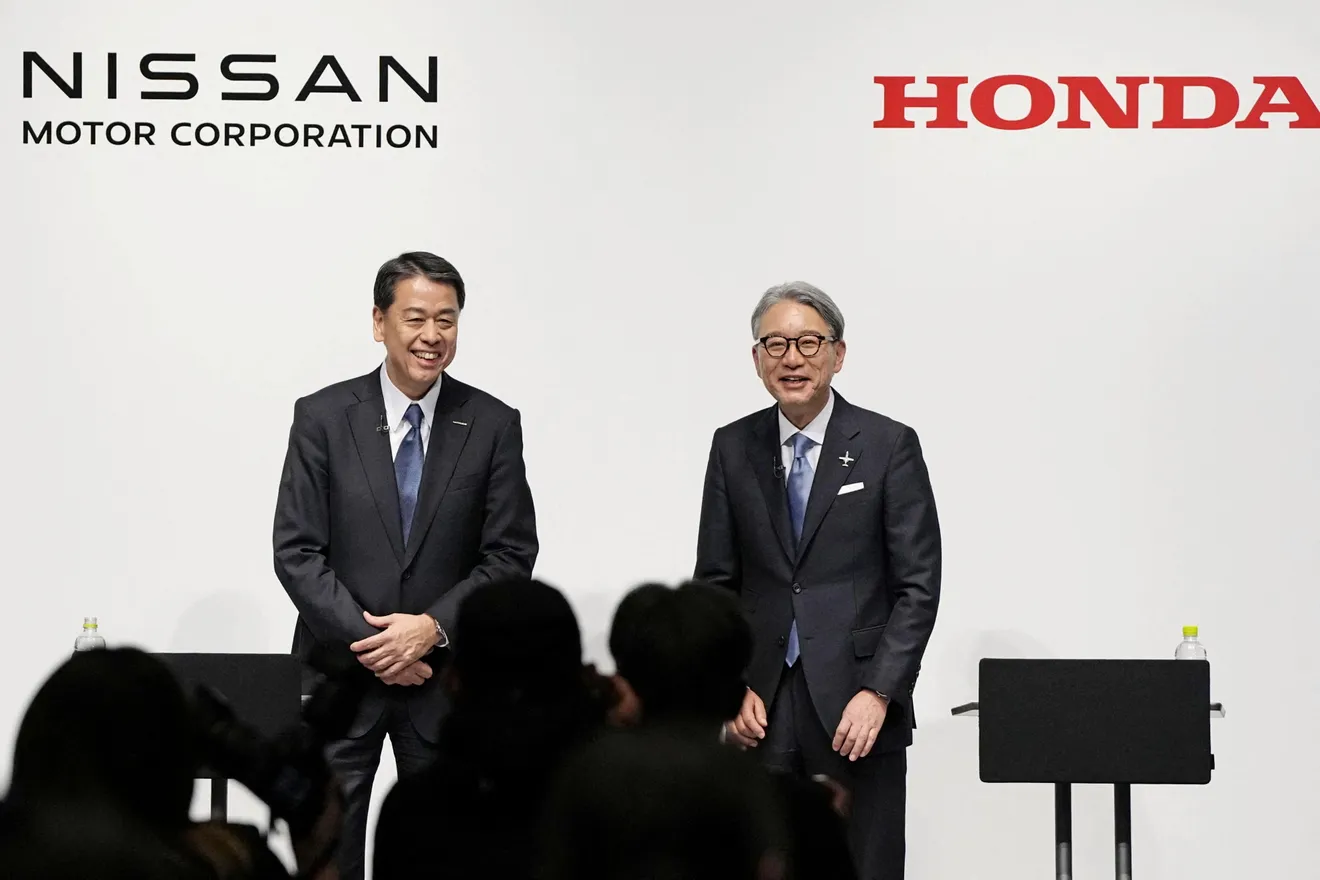
Strategic Motivations Behind the Merger
The motivations driving this proposed merger are multifaceted. On one side, Nissan is aggressively cutting costs and seeking to recover its footing in the global electric vehicle (EV) race, a segment where it has lagged behind its peers. Meanwhile, Honda, the healthier of the two, brings stability and a robust financial footing to the table. The automakers aim to sign an agreement by June 2025, with hopes for shareholder approval by April 2026, indicating a deliberate and measured approach to this colossal integration. In addition to Honda and Nissan, Mitsubishi might also be pulled into this automotive alliance, further extending the potential reach and capabilities of the new conglomerate. This strategic consolidation could lead to standardized vehicle platforms, optimized manufacturing footprints, and stronger product offerings, all aimed at reducing costs, enhancing development efficiencies, and improving investment returns.Addressing the Overlaps and Operational Challenges
However, this merger is not without its complexities. Both companies have a significant presence in the U.S. with overlapping product lines and manufacturing operations. In the fiercely competitive U.S. market, vehicles like the Honda Accord and Nissan Altima directly compete against each other, as do the Honda CR-V and Nissan Rogue. The integration process will likely involve difficult decisions regarding which models will continue and how to best align their combined manufacturing operations without sacrificing jobs.
Cultural Integration and Market Strategy
Another critical aspect of the merger is the cultural integration between Honda and Nissan. Honda is renowned for its high-quality standards and typically commands higher prices, whereas Nissan has been more aggressive in its discounting strategies. Reconciling these differing corporate cultures and business approaches will be essential for the merger's success. Furthermore, the merger strategy includes a focus on enhancing competitiveness in the Chinese market, where domestic automakers have exerted increasing pressure, particularly in the EV segment. Despite the ambitious goals, Honda's CEO Toshihiro Mibe cautioned that significant benefits from the merger might not materialize until 2030, indicating a long-term perspective is crucial for this endeavor.