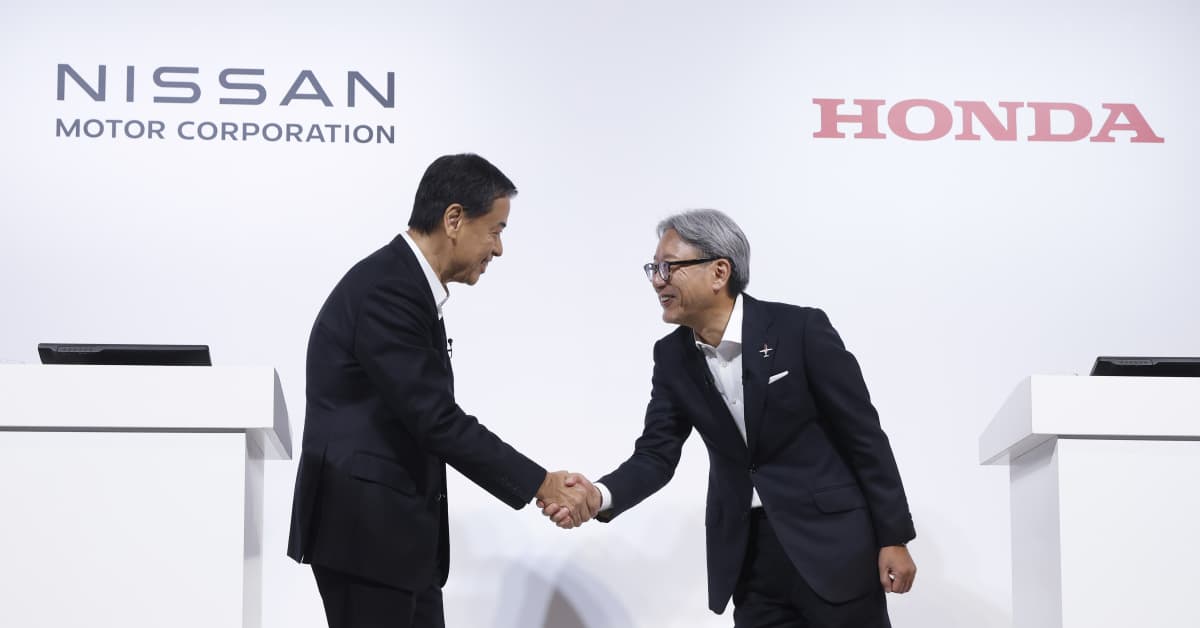
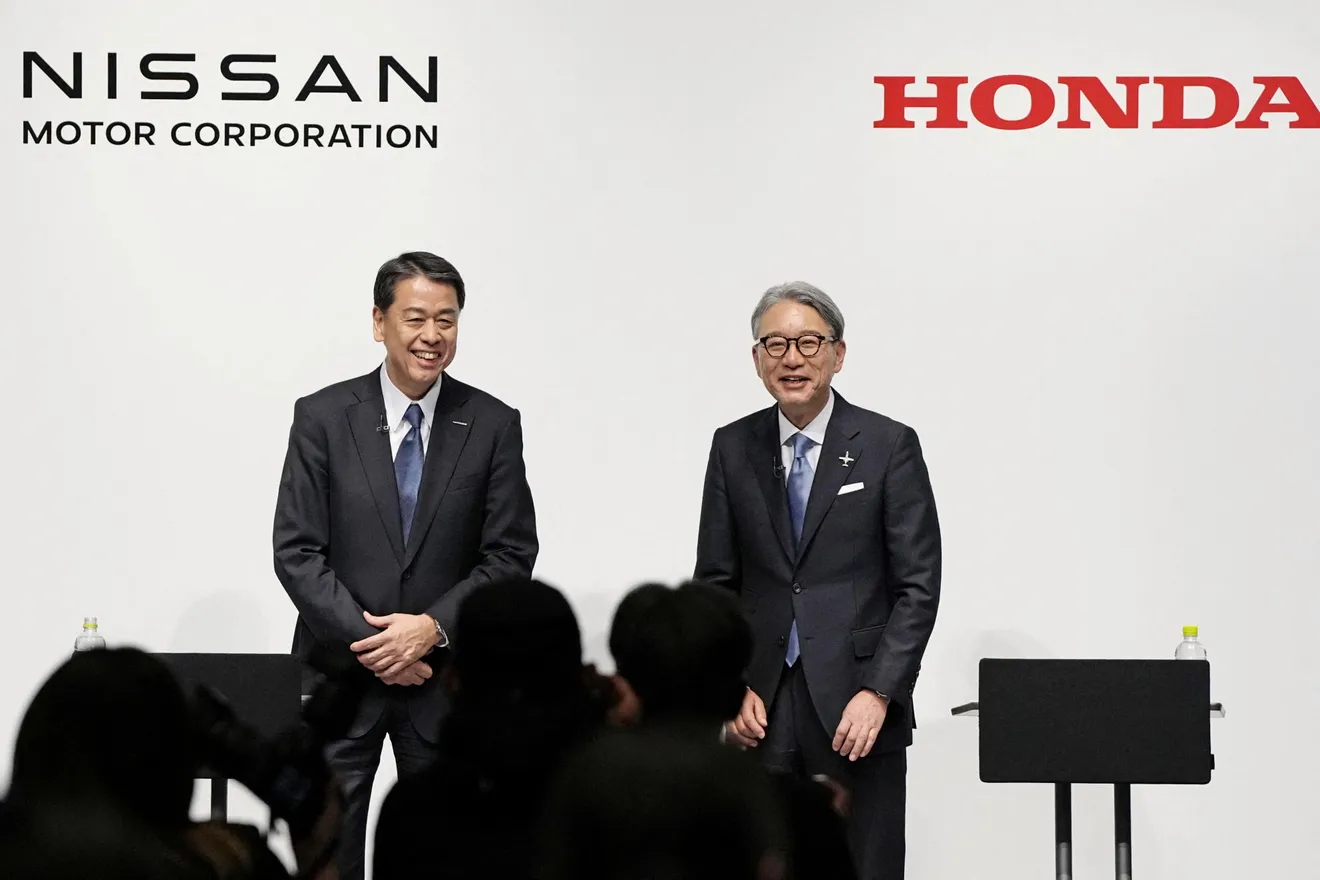
Recently, Honda’s CEO Toshihiro Mibe faced a challenging moment when pressed to justify the potential merger with Nissan. With candid uncertainty, Mibe admitted, “That’s a difficult one,†during a press conference that quickly became memorable for his hesitation rather than his assurance. This response only intensified the global curiosity and skepticism surrounding the merger discussions between the two automotive giants.
A Merger Born of Necessity or Opportunity?
At first glance, the merger proposition between Honda and Nissan might appear as a desperate grab for stability in an industry that’s rapidly shifting towards electric vehicles (EVs) and digital innovation. Honda, known for its robust lineup of gas-powered vehicles and hybrids like the successful Honda Prologue, has been visibly lagging in the EV race, especially after its split with General Motors. The expectation for Honda's first independent long-range EV looms large on the horizon, promising a revealing look at Honda’s standalone capabilities in the EV domain next year. On the other side, Nissan presents a less rosy picture. Plagued by financial turbulence and a diminishing market presence, especially in the EV sector dominated by its aging Leaf and the underperforming Ariya, Nissan seems to be a far cry from its former glory. Rumors of a looming hostile takeover by Foxconn only add to the urgency of finding a stable ally, making the merger talks with Honda appear as a strategic if not entirely voluntary move.
Strategic Benefits Hidden Behind the Curtains
Despite the apparent overlaps and the cloudy reasons for their alliance, digging deeper reveals that Nissan might still hold valuable assets that could benefit Honda. Nissan’s extensive network of factories, its stronghold in Southeast Asia, and some promising models like the Nissan Sakura—the best-selling EV kei car in Japan—suggest there are still untapped potentials within Nissan’s reach. Moreover, Honda could leverage Nissan's existing infrastructures and technological advancements in hybrids and EVs to accelerate its own innovation and market adaptation.Analysts Weigh In: Skepticism Amidst Strategic Moves
Julie Boote from Pelham Smithers Associates echoes a common analyst perspective, suggesting that while Honda's move to partner up reflects its need for bolstering its EV and technological strategies, partnering with a company in better financial health would have been preferable. The speculated involvement of Japan’s Ministry of Economy, Trade and Industry (METI) in facilitating the merger to prevent foreign takeovers adds another layer of complexity and strategic maneuvering to the entire scenario.The Long View: Challenges and Expectations
Even with a merger, the road ahead for Honda and Nissan will be fraught with challenges. Industry experts like those from AlixPartners suggest that any tangible benefits from this merger could take years to materialize, during which time competitors, particularly from China, could further solidify their dominance in the EV market.