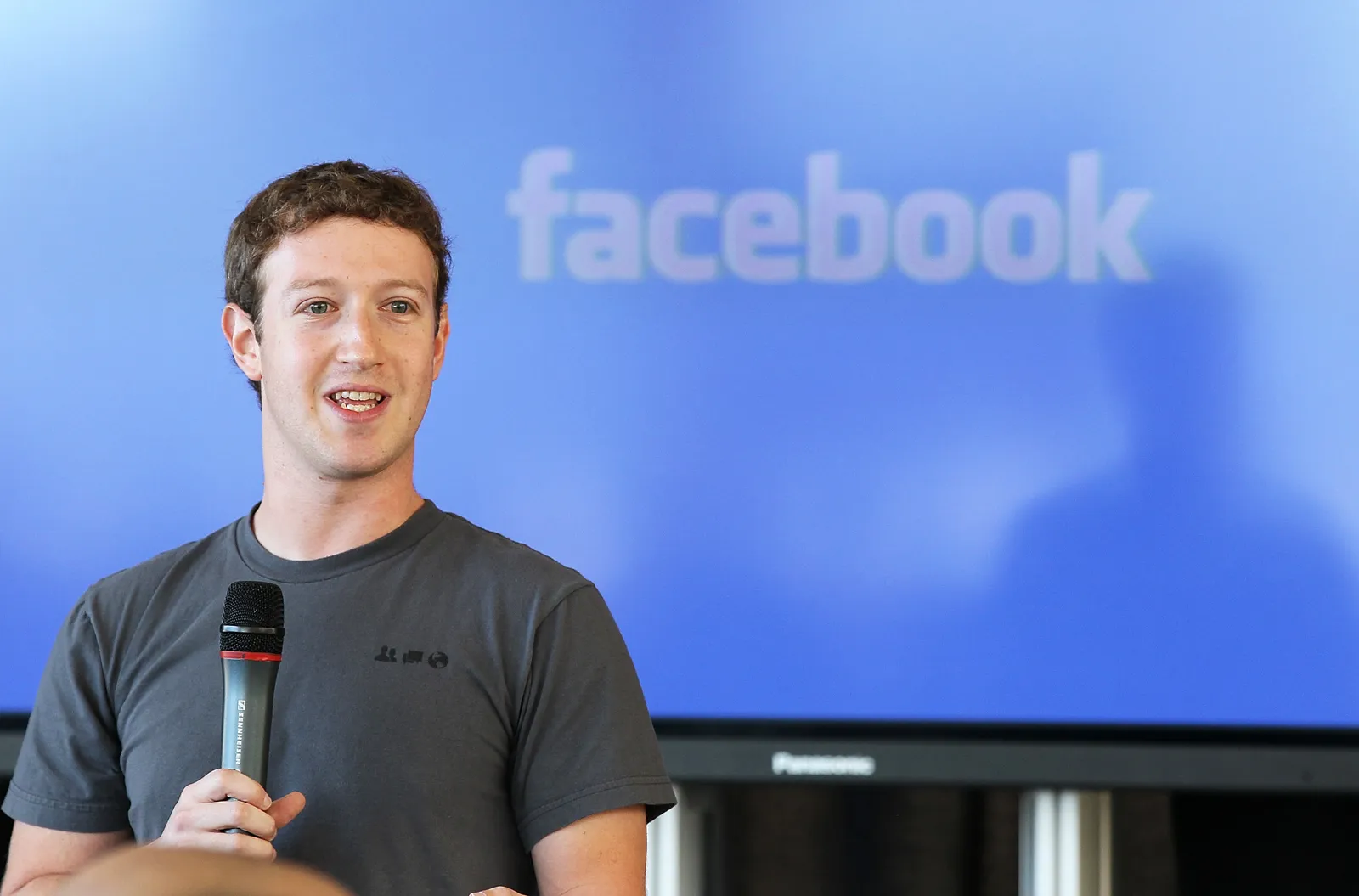
Mark Zuckerberg, CEO of Meta, recently took to Joe Rogan's podcast to explain and defend his company's controversial decision to scale back its content moderation policies. The interview, which spanned nearly three hours, covered a wide range of topics, from social media's role in free expression to the specifics of Meta's policy changes.
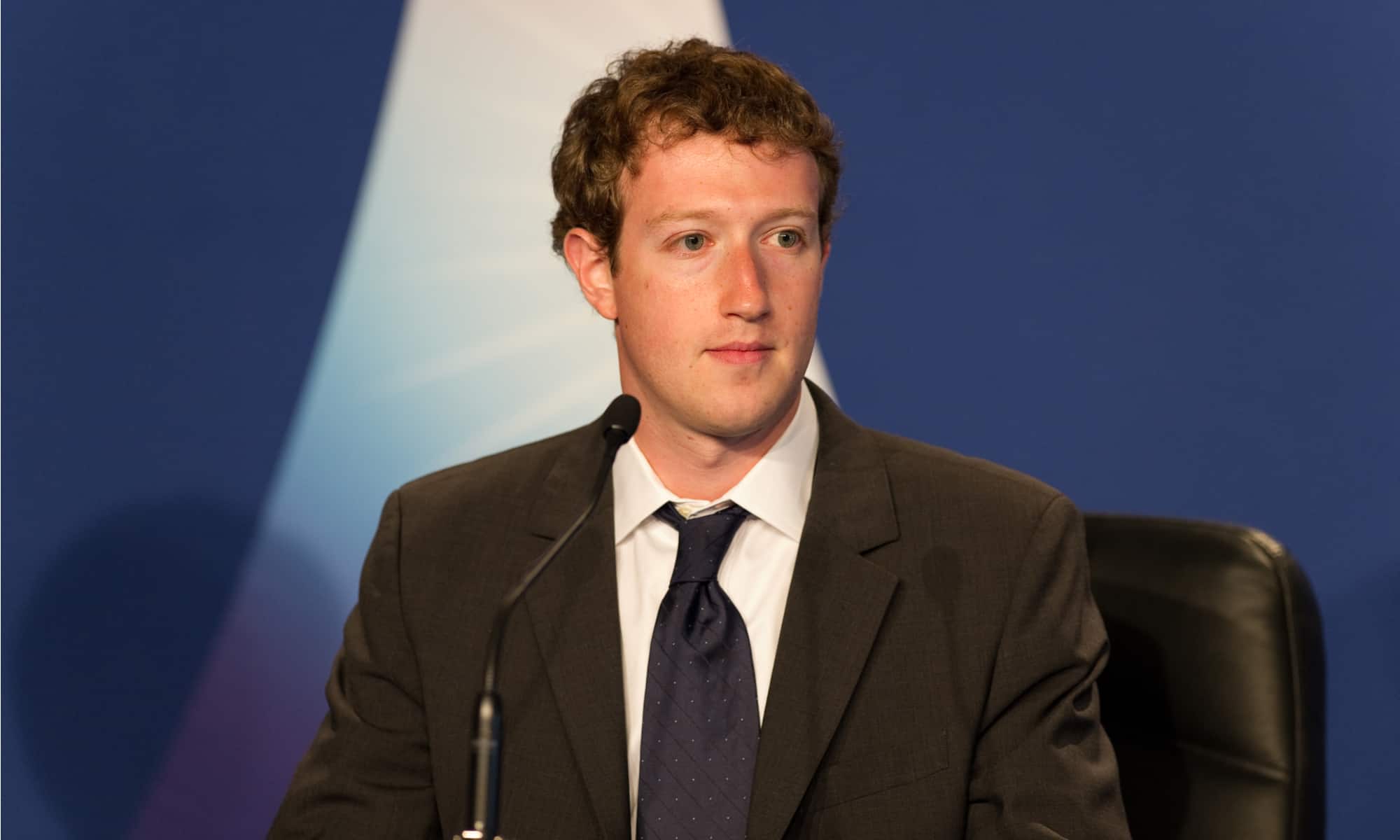
The Core of Meta's Policy Changes
During the podcast, Zuckerberg highlighted significant updates to Meta's approach. Notably, the company is ending its independent fact-checker program, shifting towards a community-based notes system similar to X's model. This change will rely more heavily on community members to flag misinformation across platforms like Facebook, Instagram, and Threads. Additionally, Meta plans to raise the thresholds for its automated content filters, which will result in fewer automatic removals of both potentially harmful and innocuous posts.Timing and Political Context
Zuckerberg addressed the timing of these changes, which coincides closely with the inauguration of Donald Trump. He dismissed claims that the timing was politically motivated, emphasizing that these policy shifts have been long considered. Despite this, the proximity to Trump's inauguration—amidst past accusations from Trump against Zuckerberg and Meta regarding election interference—adds a layer of complexity to the narrative.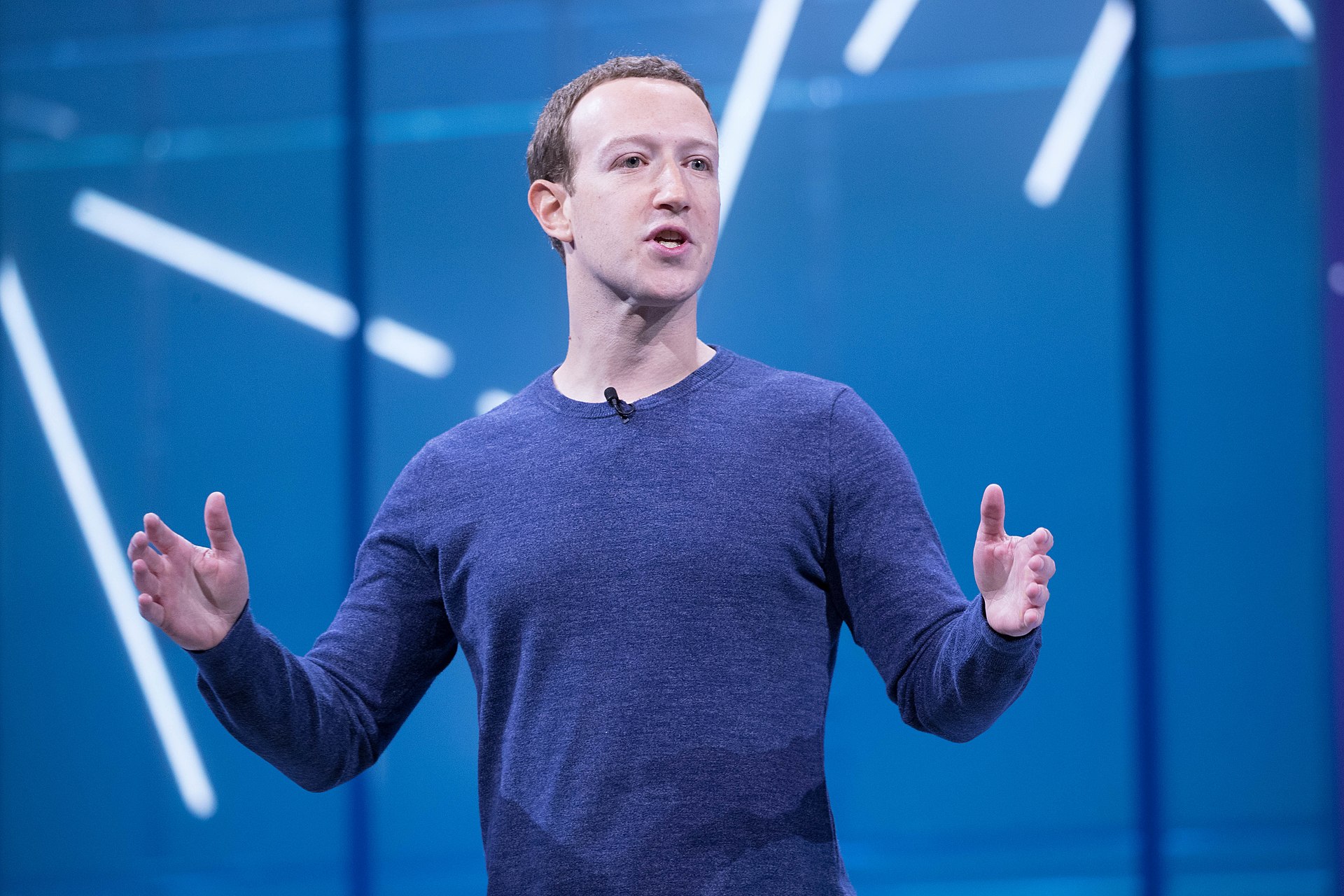
Pressures and Philosophical Shifts
Zuckerberg expressed concerns about Meta's role in deciding truth, highlighting the challenges and responsibilities of managing content for billions of users. He pointed to past pressures from government bodies, including the Biden administration during the COVID-19 pandemic, to control certain types of content, which he now views as overreach.Reactions and Repercussions
The interview has sparked varied reactions, reflecting the broader societal debate over the balance between free speech and content moderation on social media platforms. Zuckerberg's remarks about wanting to return to the roots of free expression align with a growing sentiment that social media should empower user discourse rather than restrict it.