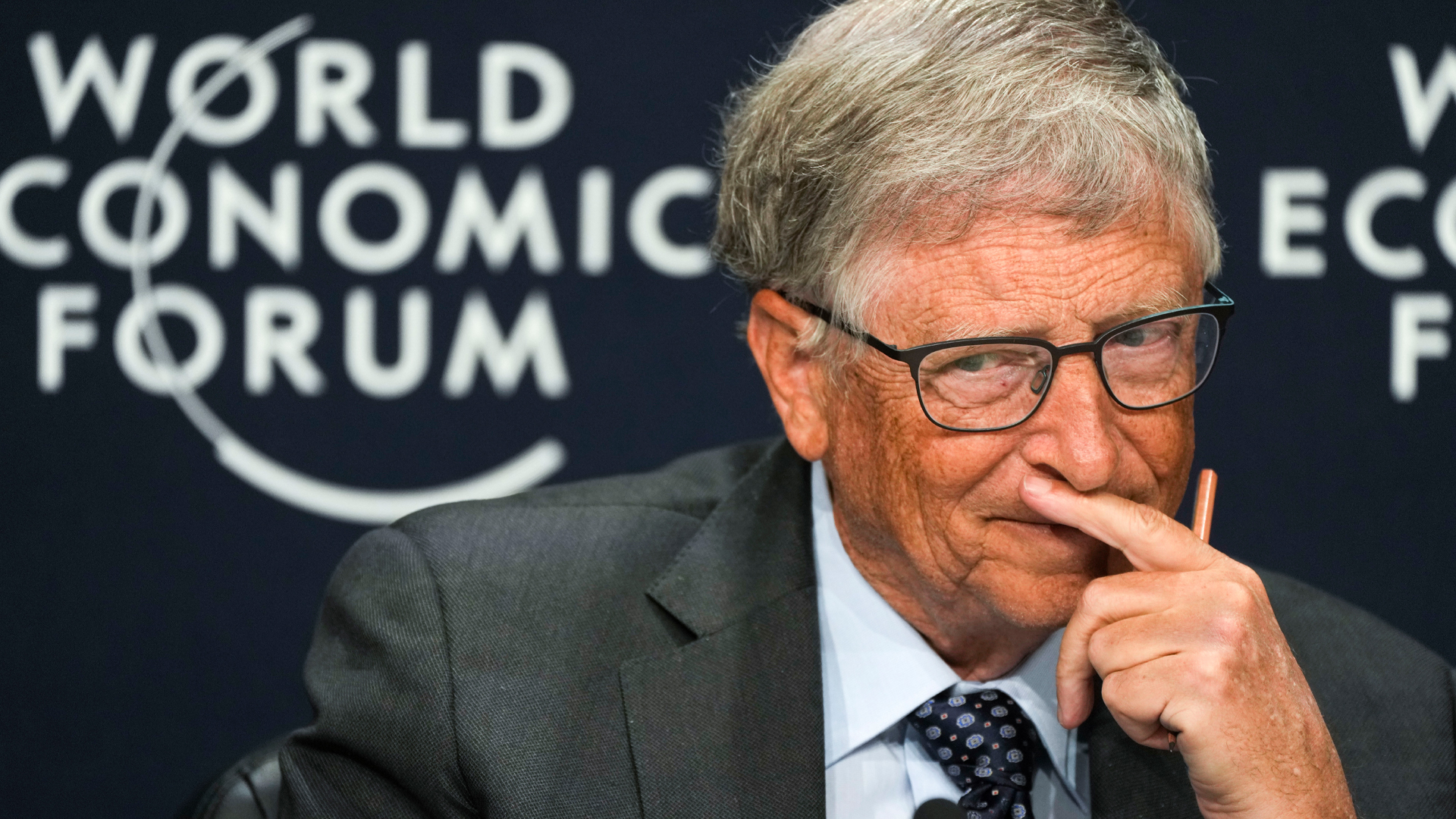
In a candid admission that might reshape our understanding of tech industry blunders, Bill Gates, the Microsoft co-founder, labeled his inability to lead the company into the mobile market as "the greatest mistake of all time." This revelation came during a dialogue with Julia Hartz, CEO of Eventbrite, wherein Gates highlighted the crucial missteps under his leadership that allowed Google to swoop in and dominate this sector with Android.
The Android Ascendancy
Before Google's acquisition in 2005, Android was just another contender in the burgeoning mobile OS market. However, it wasn't long before it became the juggernaut that now powers the majority of the world's smartphones. Gates ruefully noted that creating a comparable system "was a natural thing for Microsoft to win," but acknowledged that a series of mismanagements and antitrust issues during his tenure effectively handed the mobile crown to Google. Rich Miner, an Android co-founder, presented a contrasting viewpoint, emphasizing that Android was partly envisioned to curb Microsoft's potential dominance similar to its control over PCs. "I literally helped create Android to prevent Microsoft from controlling the phone the way they did the PC - stifling innovation," Miner said. His statement not only underscores the competitive dynamics of the tech industry but also hints at the broader implications of these corporate battles on technological innovation.
The Cost of Missed Opportunities
Gates quantified the missed mobile opportunity as a $400 billion loss for Microsoft, a staggering figure that could have dramatically altered the financial landscape of the tech world. "In the software world, particularly for platforms, these are winner-take-all markets," Gates explained. Android's dominance as the standard non-Apple phone platform exemplifies just how significant being the first mover can be in the tech industry.Microsoft's Strategic Pivot
Despite the setback in mobile technology, Microsoft has not only survived but thrived, pivoting towards areas like generative AI and cloud computing, where it remains a global leader. Last year, the tech giant briefly surpassed both Apple and NVIDIA in market valuation, peaking at over $3 trillion. Satya Nadella, Microsoft's CEO, has also acknowledged past strategic errors, particularly the decision to pull the plug on Windows Phone, which he described as a "strategic mistake." This admission, alongside Gates' reflections, highlights a critical period of introspection and recalibration within Microsoft, aiming to align more closely with future technological trends and opportunities.