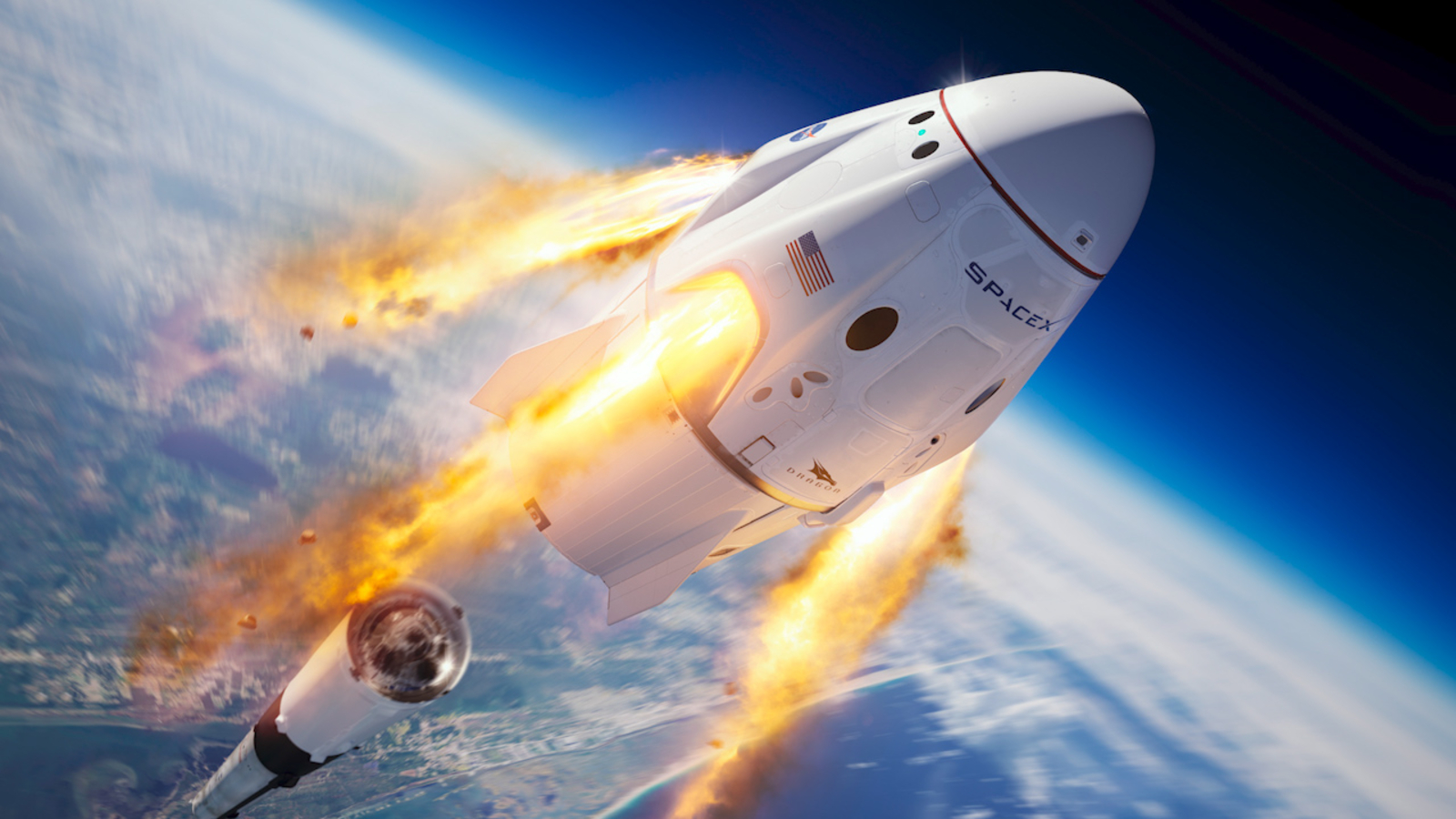
In an ambitious display of aerospace innovation, SpaceX achieved a significant milestone by successfully catching the Super Heavy booster of its Starship rocket for the second time. This event took place during a test flight, which marked the seventh attempt to perfect this complex maneuver. However, the triumph was overshadowed by an unforeseen mishap when SpaceX lost contact with the Starship's upper stage, approximately eight and a half minutes into the flight.
A Closer Look at the Incident
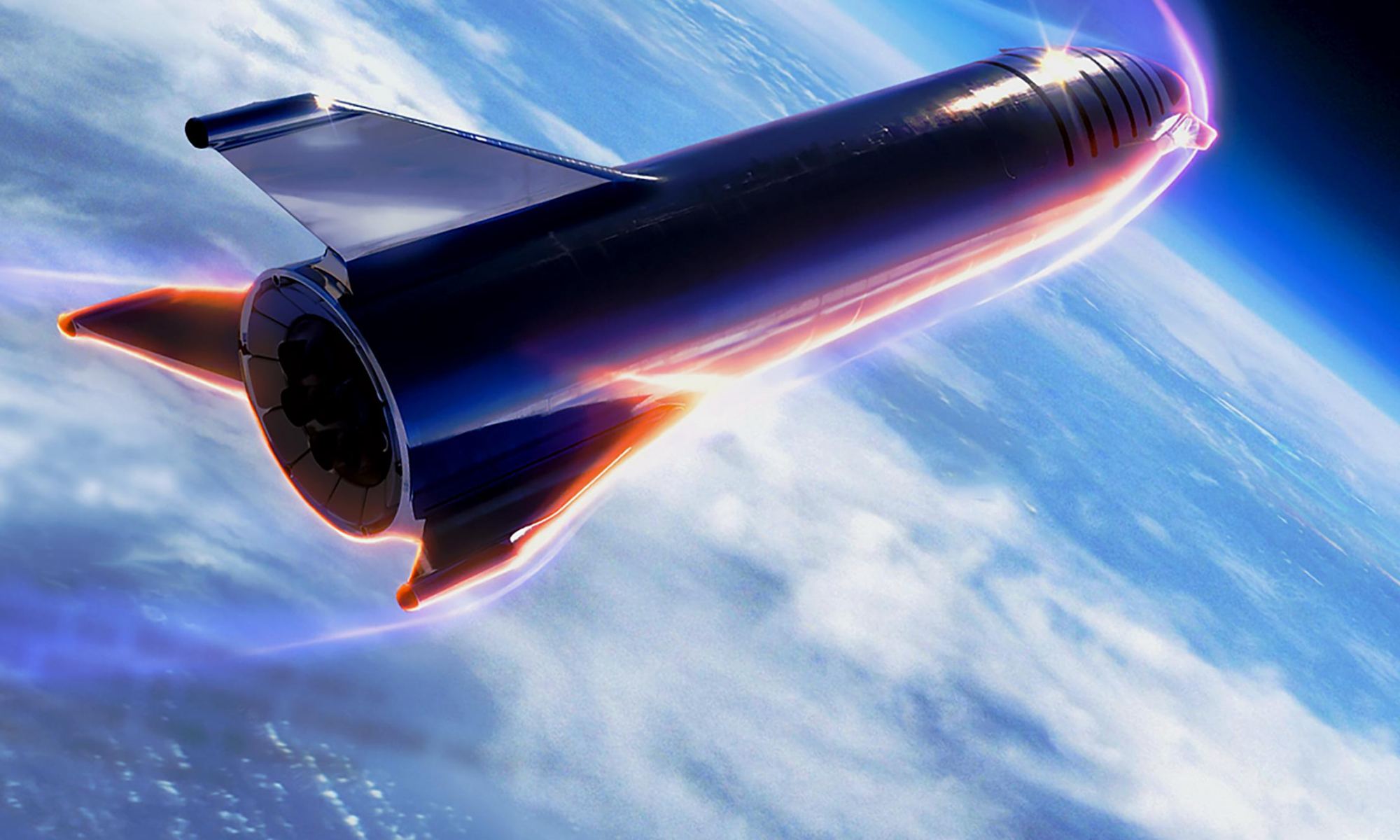
The sequence began promisingly as the upper stage separated from the booster and initiated its rocket engines aimed for orbit. However, complications arose shortly after, with some engines failing, leading to a loss of telemetry. This disconnect was followed by SpaceX confirming an anomaly during the final moments of the ascent burn. The Federal Aviation Administration (FAA) also reported disruptions, having to reroute several flights due to observed debris from the incident. Elon Musk, the CEO of SpaceX, took to social media to shed light on the possible cause of the failure. He suggested that an "oxygen/fuel leak" might have created excessive pressure within the spacecraft. Moving forward, Musk emphasized the need for enhanced leak detection, the addition of a fire suppression system, and increased venting areas to prevent similar issues.The Spectacle and Reaction
The event quickly became a topic of widespread discussion across social media platforms, where users shared visuals of what appeared to be parts of the Starship re-entering Earth's atmosphere and disintegrating over Turks and Caicos. Amidst these developments, Musk candidly remarked, "Success is uncertain, but entertainment is guaranteed!"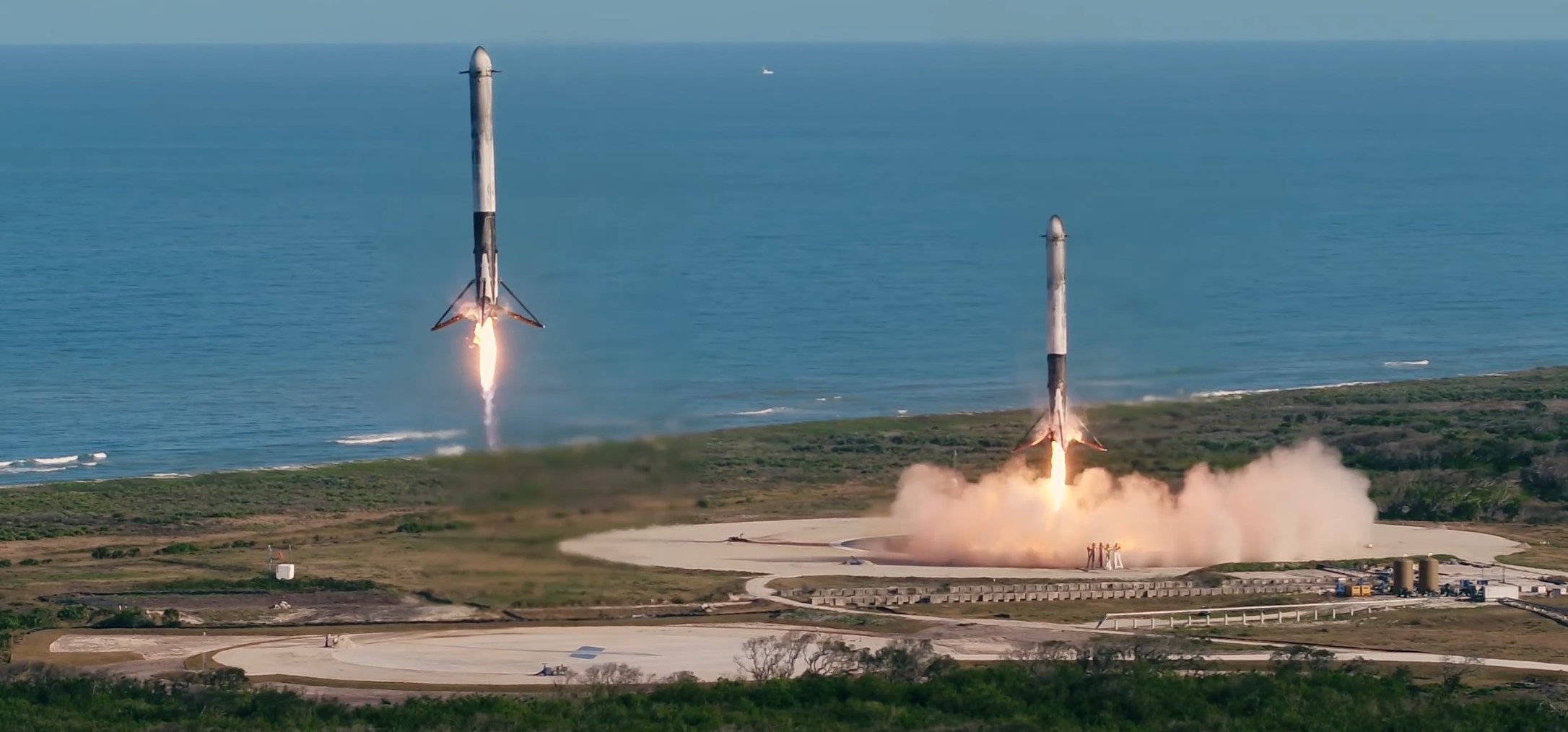
Technological Enhancements and Future Prospects
The Starship involved in this test had undergone significant upgrades from previous models. These enhancements included a more robust flight computer, integrated communication systems, and advanced navigation sensors. Moreover, the spacecraft was equipped with over 30 cameras to allow SpaceX engineers to monitor its hardware in real-time, providing valuable data regardless of the mission's outcome. The pursuit of reusability remains a core strategy for SpaceX, as demonstrated by their efforts to catch the booster using the launch tower's articulated arms—a technique that conserves resources and reduces mission costs.