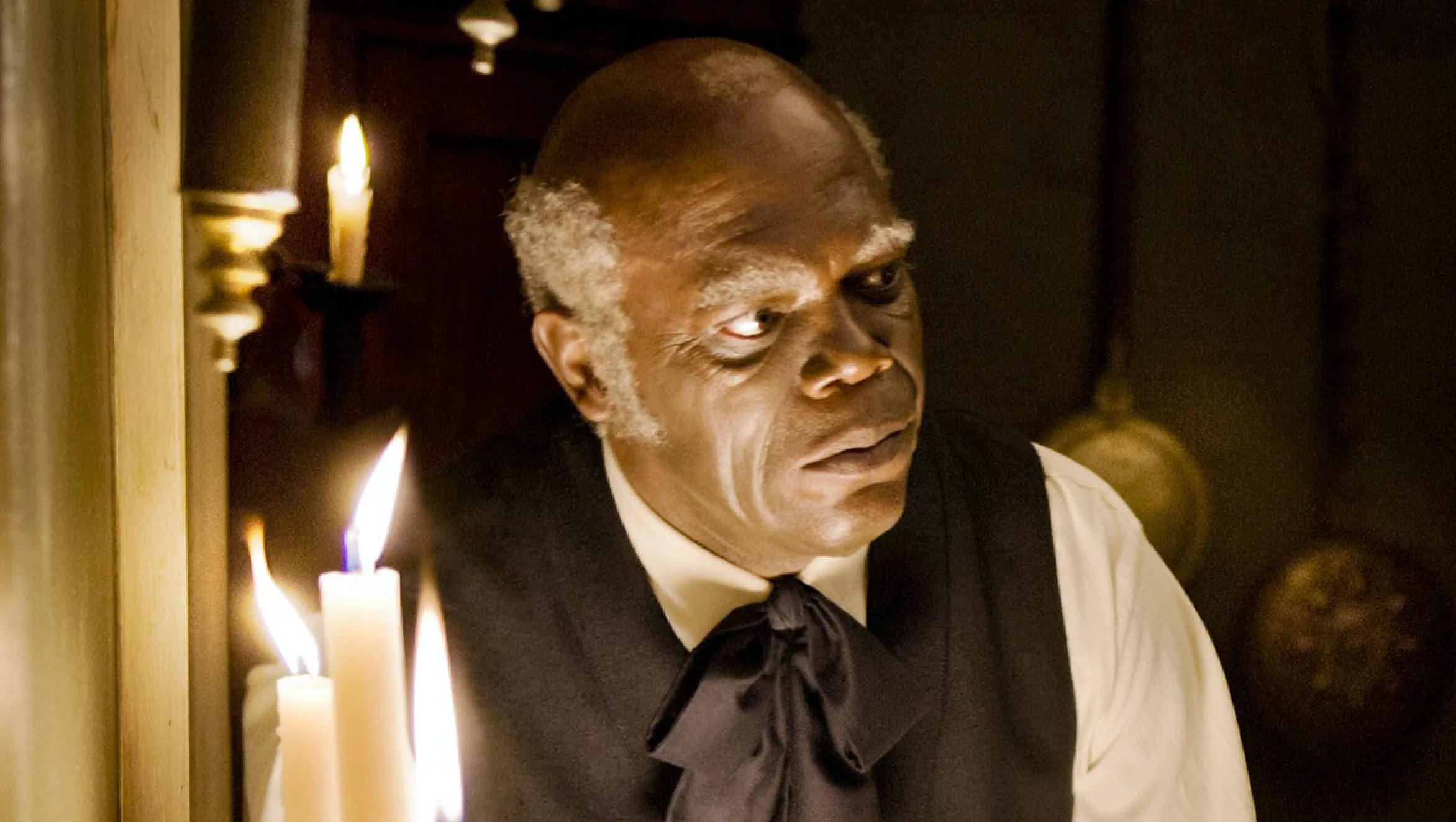
In the high-stakes world of film, few movies stir up as much raw intensity and controversy as Quentin Tarantino’s "Django Unchained." A potent blend of historical anguish and cinematic boldness, the film not only challenged its audience but also its star-studded cast. Recently, Jamie Foxx, who played the titular character, shed light on some of the behind-the-scenes tensions that punctuated the making of this iconic film during a revealing interview with Vanity Fair.
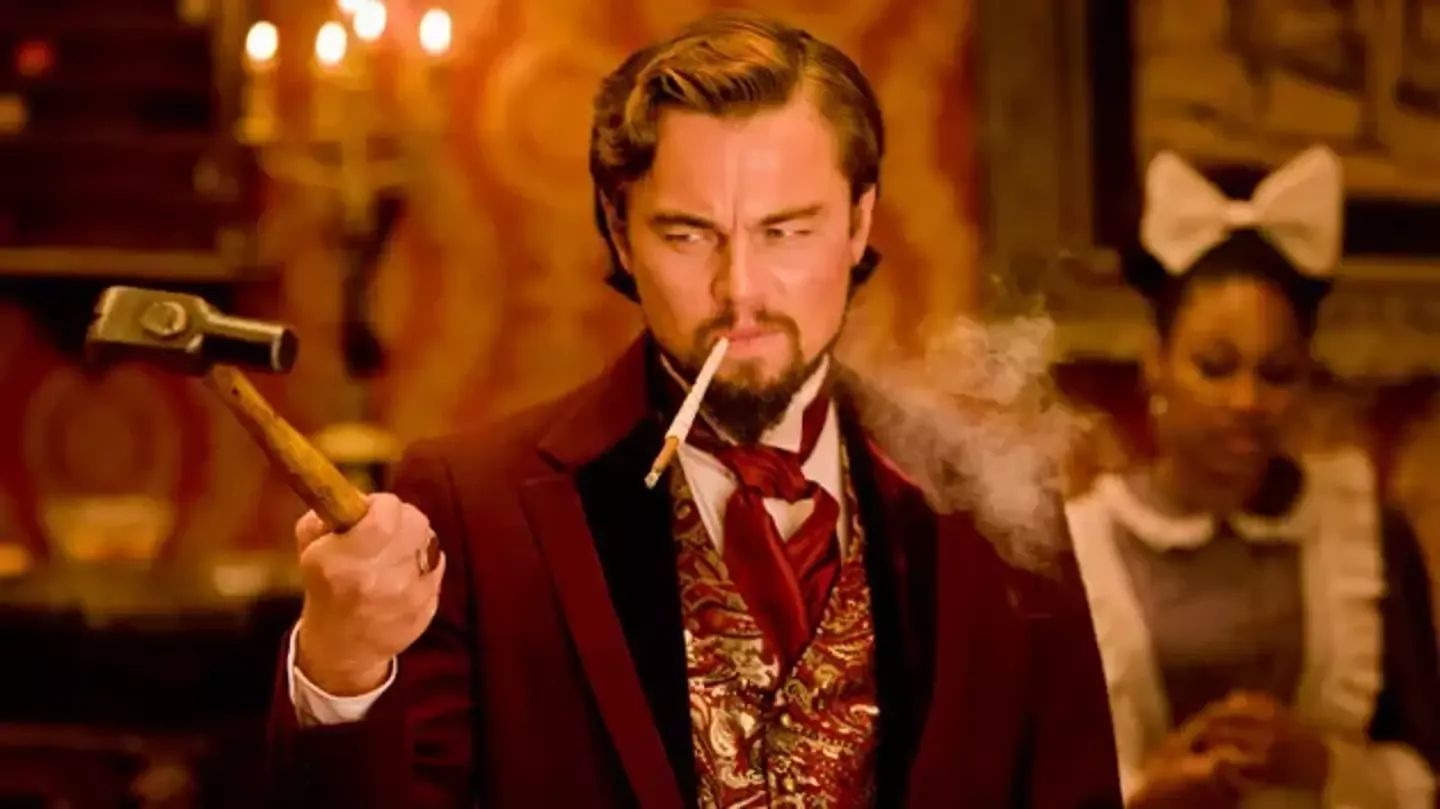
Leonardo DiCaprio's Struggle with Tarantino's Script
Leonardo DiCaprio, known for his versatile acting prowess, faced a significant personal challenge with his role as the ruthless slave owner Calvin Candie. The script, rich with period-specific dialogue, required DiCaprio to use racially charged language, which he found profoundly uncomfortable. Foxx recounts a particular script reading where DiCaprio's discomfort came to a head. “We’re doing a read and Leo says, ‘Hey, guys. Cut! I just can’t do this. This is not me,’†Foxx explained, highlighting the depth of DiCaprio’s initial resistance to his character's harsh linguistic reality. It was Samuel L. Jackson, who has often collaborated with Tarantino and is familiar with the director's confrontational style, who pushed back. Foxx vividly remembers Jackson's blunt directive: “Say that shit, motherfucker! It’s just another Tuesday. Fuck them.†This moment underscored a critical aspect of acting in historically rooted narratives—embracing the unsavory to authentically portray the characters’ truths.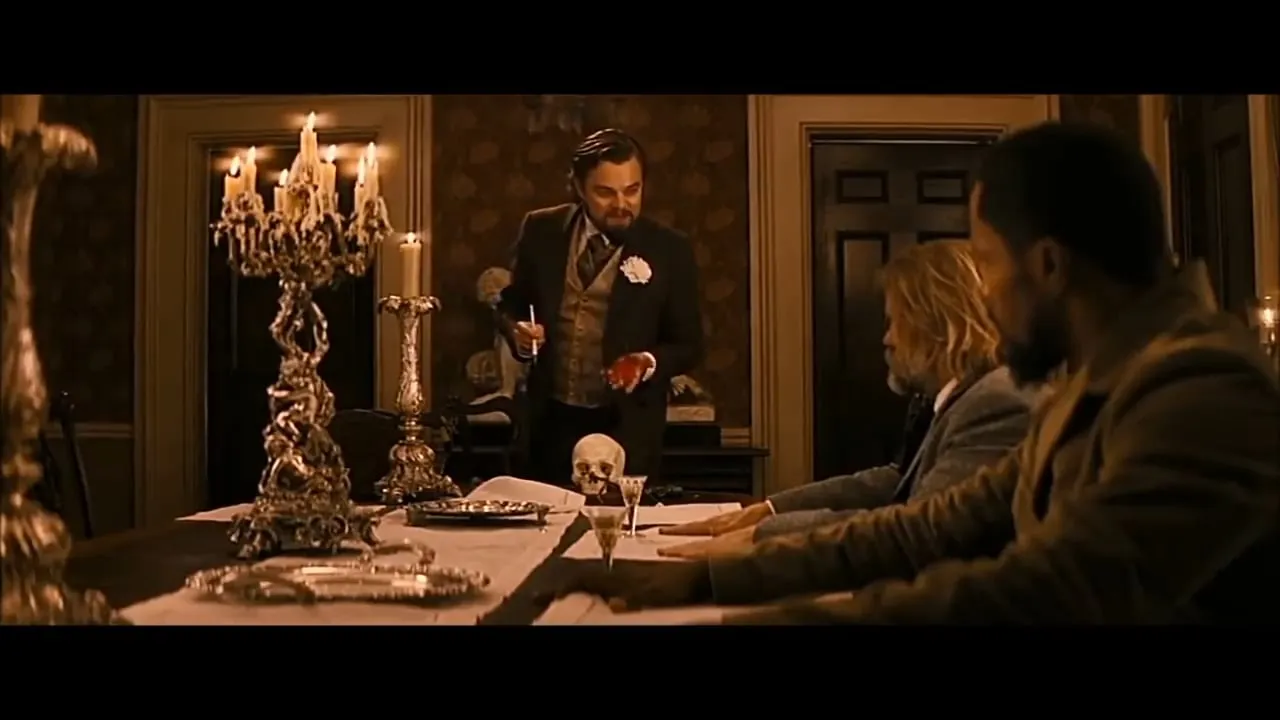
The Role of Authenticity in Historical Narratives
Jackson himself has been vocal about the necessity of authenticity in storytelling, particularly when it involves unsparing historical realities. In defending Tarantino’s choice of language, Jackson highlighted a broader cinematic double standard. He pointed out that while Tarantino is often criticized for his liberal use of the N-word, other directors like Steve McQueen are celebrated for their artistic approach to similar themes. “Every time someone wants an example of overuse of the N-word, they go to Quentin — it’s unfair. He’s just telling the story and the characters do talk like that,†Jackson told The New York Times. Moreover, in the "QT8: The First Eight" documentary, Jackson emphasizes the honesty in Tarantino's dialogue: “There’s no dishonesty in anything that [Quentin] writes or how people talk, feel, or speak [in his movies].†This perspective is crucial in understanding why the film's language, as harsh as it may be, serves to enhance the brutal reality of the era it depicts.Jamie Foxx's Perspective on "Django Unchained"
Foxx himself has stood firm on his understanding and acceptance of the script’s demands. His approach to playing Django was rooted in a deep comprehension of the historical context, which he tried to convey to DiCaprio during their challenging moments. “I told Leo that in slavery days we would never talk to each other,†Foxx shared, stressing the importance of recognizing their roles were more than just lines in a script—they were representations of lived experiences.