How Microsoft’s Latest Update Stops Scammers in Their Tracks
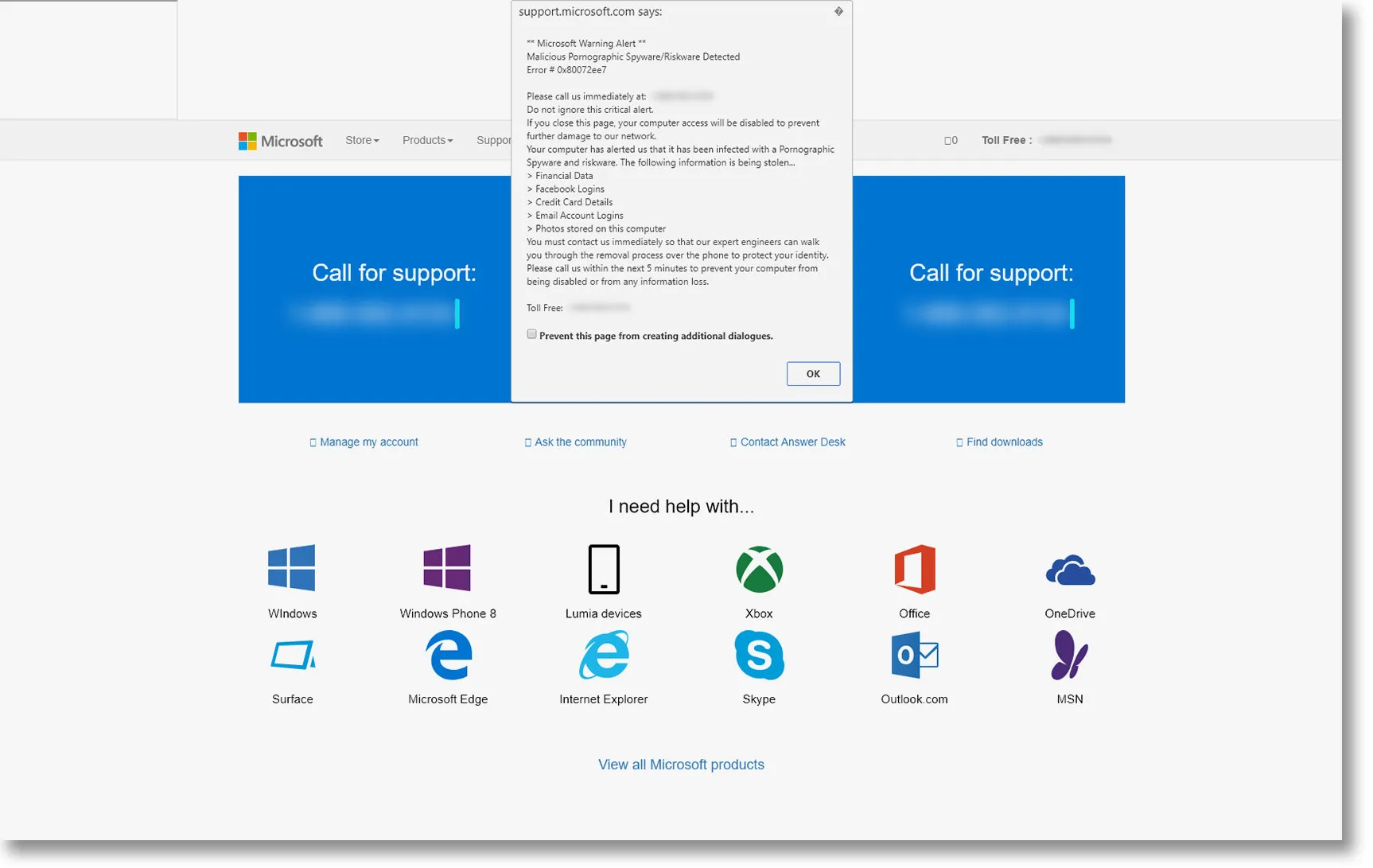
Scareware is a form of malware designed to instill fear and panic, tricking users into believing their system is compromised. Microsoft's latest security feature aims to combat these aggressive tactics, which typically involve fake warnings about viruses and malware, urging users to download harmful software or call fraudulent tech support numbers. The FBI has highlighted the seriousness of these scams, noting that they can cost victims over a billion dollars annually.
Enhanced Security for Windows Users
The timing of Microsoft's update couldn't be better, as recent data reveals a startling increase in online scams. "You’ve seen it yourself, there are more scams than ever before, on your phone, in your inbox, and in your browser. In fact, our data shows that in 2024, Edge blocked five times more scams on average than it blocked just three years earlier," Microsoft reported. This surge underscores the evolving nature of cyber threats and the constant need for robust defensive measures.
How the Scareware Blocker Works
The scareware blocker employs a machine learning model that identifies the hallmarks of scareware. It scrutinizes web pages in real time, comparing them against a database of known scams. When a potentially dangerous page is detected, the tool takes several immediate actions to mitigate the threat: it exits full screen mode, halts any aggressive audio, issues a user alert, and displays a thumbnail of the deceptive page.
Stop Scammers with Microsoft Update
"Most people who land on a scam in Edge will be protected by Defender SmartScreen," Microsoft explains. Once SmartScreen identifies an abusive site, it can shield users globally within minutes. The addition of the scareware blocker enhances this protection, focusing on preventing the initial shock and awe that scareware aims to create.
A Call to Action for Windows Users
For Edge users, activating the scareware blocker is straightforward but vital. Users should ensure their browser is up-to-date and that previews are enabled. The feature can be found under ‘Privacy, Search, and Services’ settings in Edge. This update not only protects individual users but also contributes to the broader battle against cybercrime, as user feedback helps Microsoft refine the blocker's effectiveness.
Microsoft Unveils New Scareware Blocker
As cyber threats grow more sophisticated, staying ahead of scammers is crucial. Microsoft’s proactive update provides users with a powerful tool against scareware, aligning with broader cybersecurity efforts. For those using Windows, particularly through Edge, this update isn't just recommended; it's essential for maintaining digital security and peace of mind in an increasingly hostile online environment.