In a move that has shaken the tech industry, the U.S. Commerce Department is currently investigating DeepSeek, a Chinese AI firm, for potentially using restricted American AI chips. This inquiry follows the recent uproar caused by DeepSeek's new AI model, which has drastically undercut the performance and cost of its American counterparts, making it an instant hit globally.
The Rise of DeepSeek and Its Impact on U.S. Tech Dominance
Just last week, DeepSeek unveiled a groundbreaking AI assistant that not only uses significantly less data but also comes at a fraction of the cost of models developed in the U.S. This release quickly propelled DeepSeek to the top of the download charts on Apple's App Store. The rapid success of this app has raised alarms about the U.S.'s leadership in the AI space, leading to a significant drop in market value for major U.S. tech firms, with losses estimated around $1 trillion.U.S. Chips at the Heart of the Controversy
At the center of this controversy are the sophisticated AI chips developed by Nvidia, known for their advanced capabilities in processing AI tasks. Current U.S. export controls are designed to prevent the most advanced Nvidia chips from being shipped to China. However, allegations have surfaced that DeepSeek may have circumvented these restrictions by acquiring Nvidia's H800 chips, which were available for purchase before the latest bans were implemented.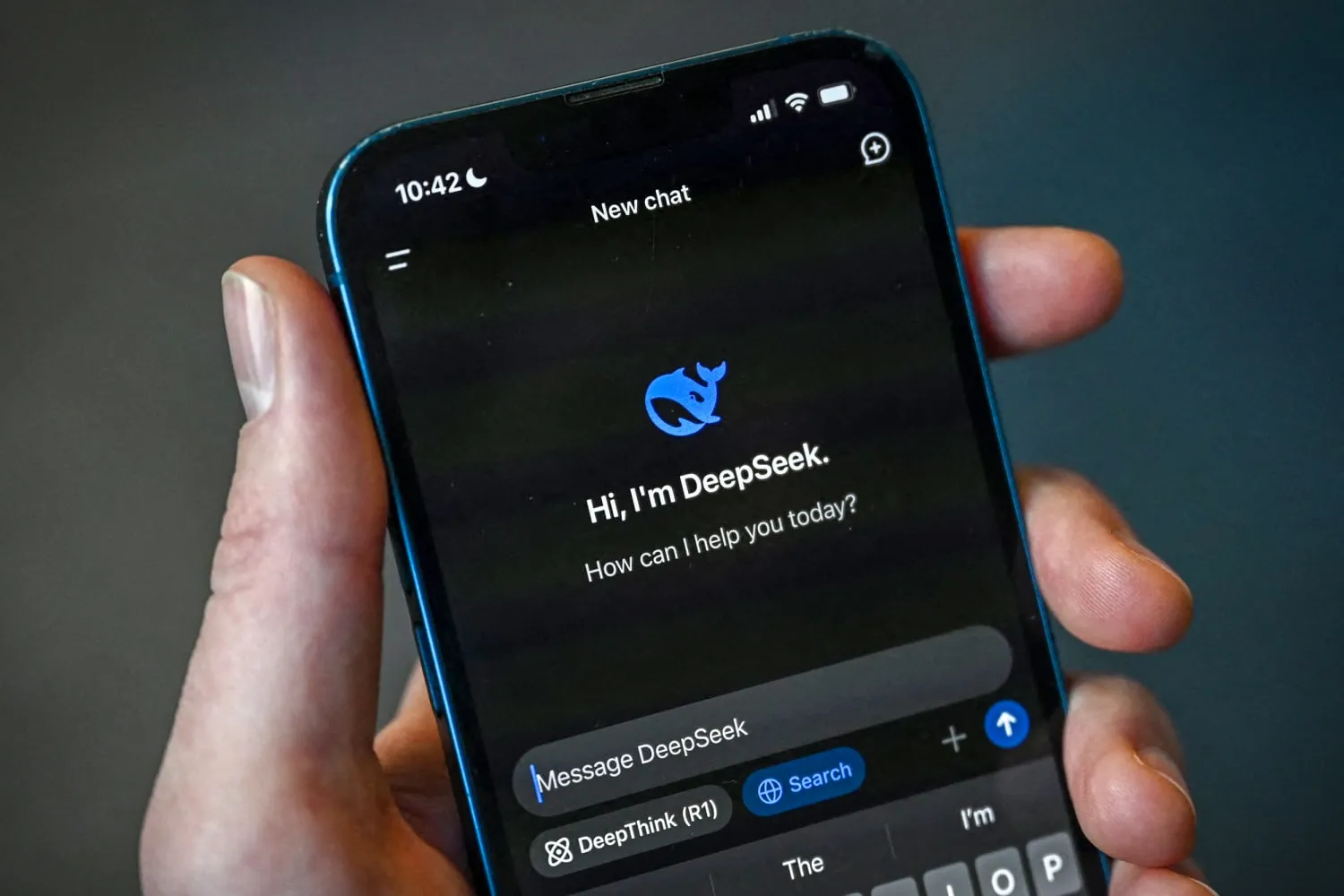
A Network of Smuggling?
There are also claims of organized smuggling routes for these chips, involving countries like Malaysia, Singapore, and the United Arab Emirates. This complex network raises questions about the enforcement of export laws and the global reach of technology smuggling operations. An Nvidia spokesperson emphasized the company's commitment to legal compliance, stating, "We insist that our partners comply with all applicable laws, and if we receive any information to the contrary, act accordingly."Legal But Questionable?
While DeepSeek has admitted to using the H800 and less powerful H20s chips from Nvidia, the latter still being legal to ship to China, the ethical implications remain debatable. Dario Amodei, CEO of Anthropic, another AI firm, suggested that a significant portion of DeepSeek's chip inventory might include chips that "haven't been banned (but should be), chips that were shipped before they were banned; and some that seem very likely to have been smuggled."