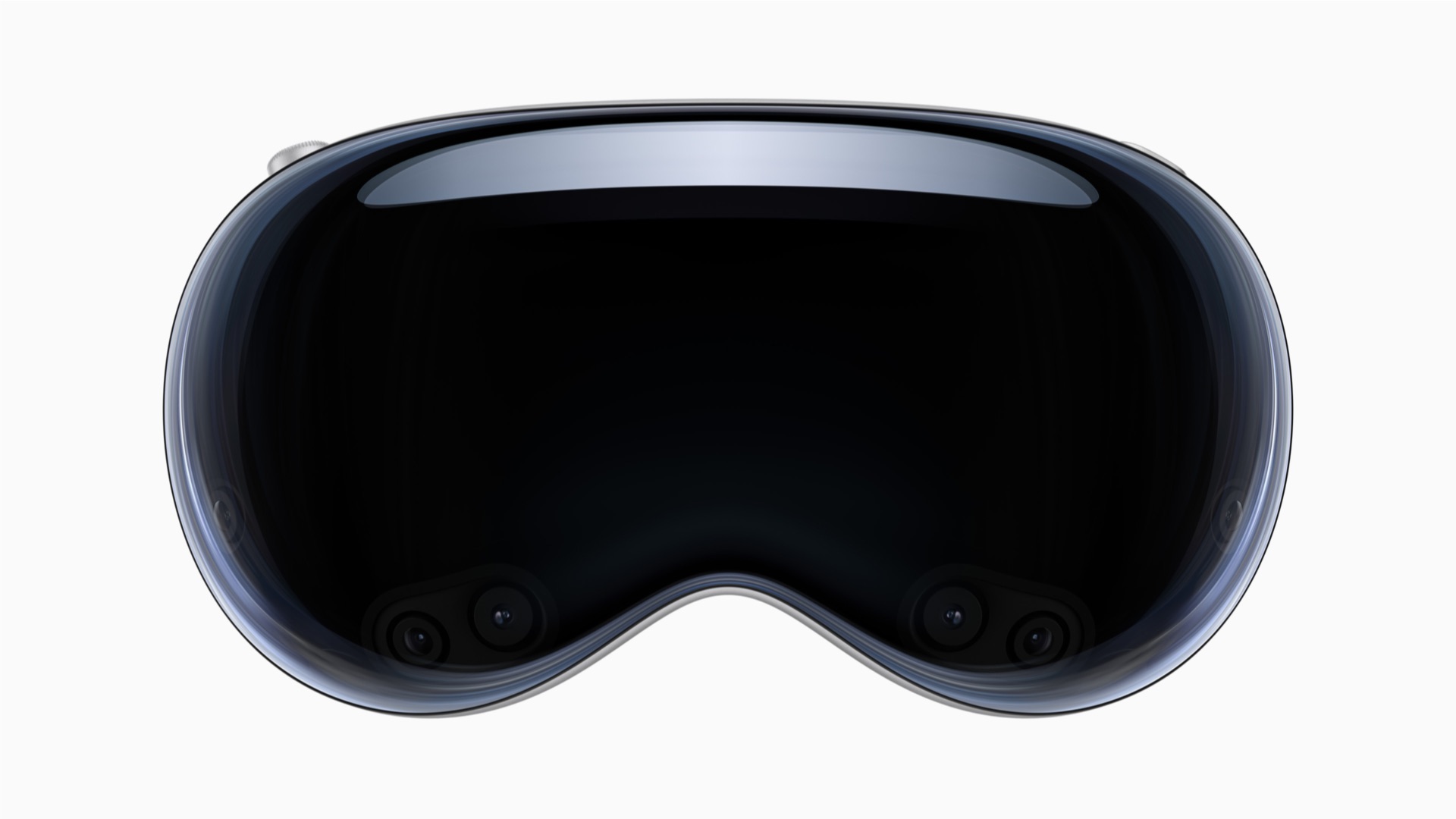
Last week's revelation from Mark Gurman that Apple has shelved its anticipated augmented reality (AR) glasses project caught many off guard. The decision came after executives were underwhelmed by several demos, prompting a strategic reassessment. With the Vision Pro's sales still struggling to gain momentum, the pivot away from AR glasses has left industry observers and consumers alike puzzled about the tech giant's next moves in the AR space.
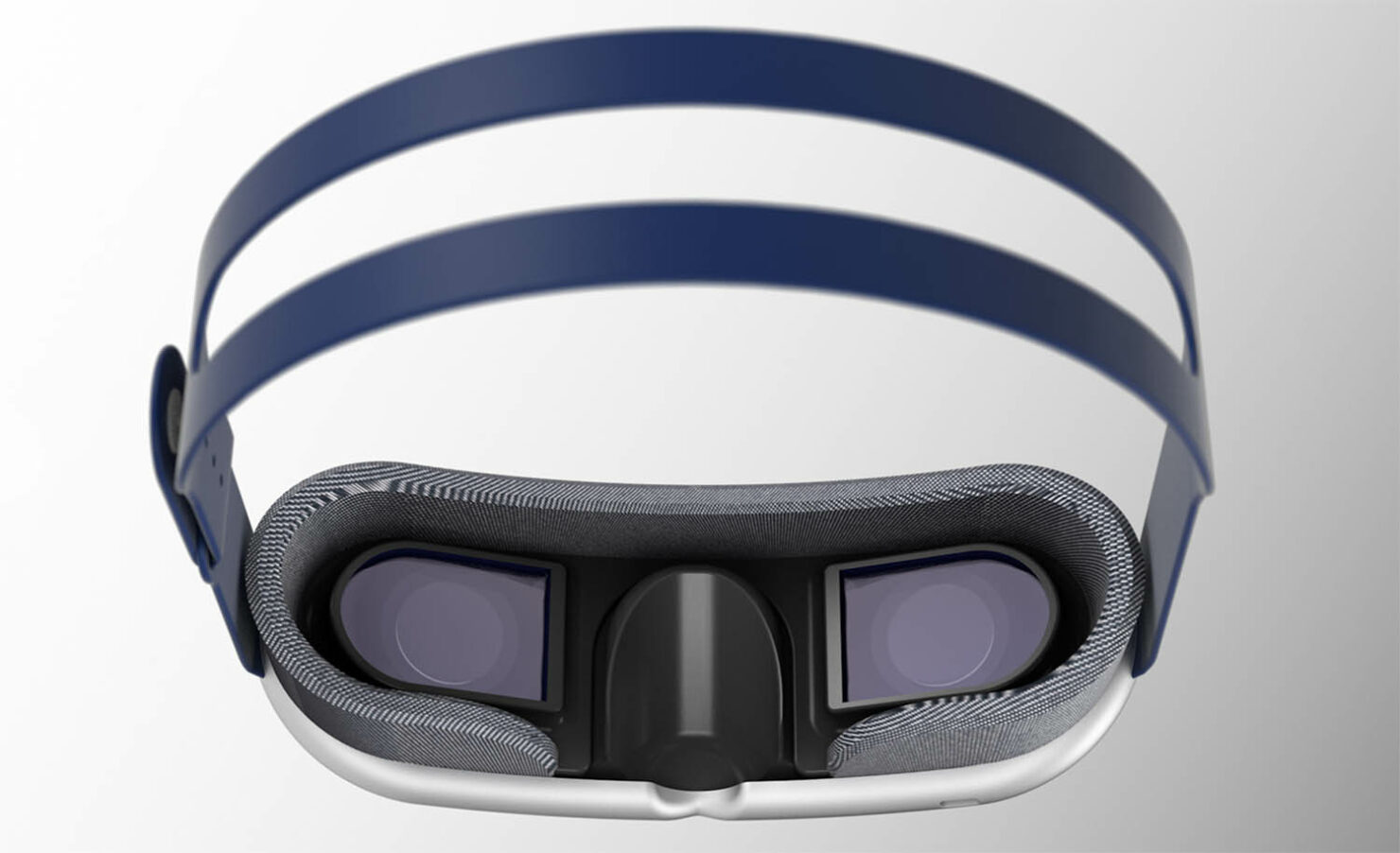
Vision Pro's Ambitious Launch and Limitations
Introduced last year, the Vision Pro set high expectations with its cutting-edge technology and visionOS integration. However, reviewers quickly pinpointed significant drawbacks: the device's heft and its steep price tag. Despite these challenges, the Vision Pro was praised for its innovative features, which seemed to pave the way for the future of wearable technology—albeit with current technological and economic constraints.Deciphering Apple's Strategic Pause on AR Glasses
Technological and Physical Barriers
The core issue hindering the progression to AR glasses is technological: the challenge of creating a lightweight device that consumers can wear comfortably for extended periods. The Vision Pro itself is a testament to Apple's ongoing struggle with this issue. If making the Vision Pro lighter is a hurdle, developing AR glasses that are both functional and comfortable seems even more daunting.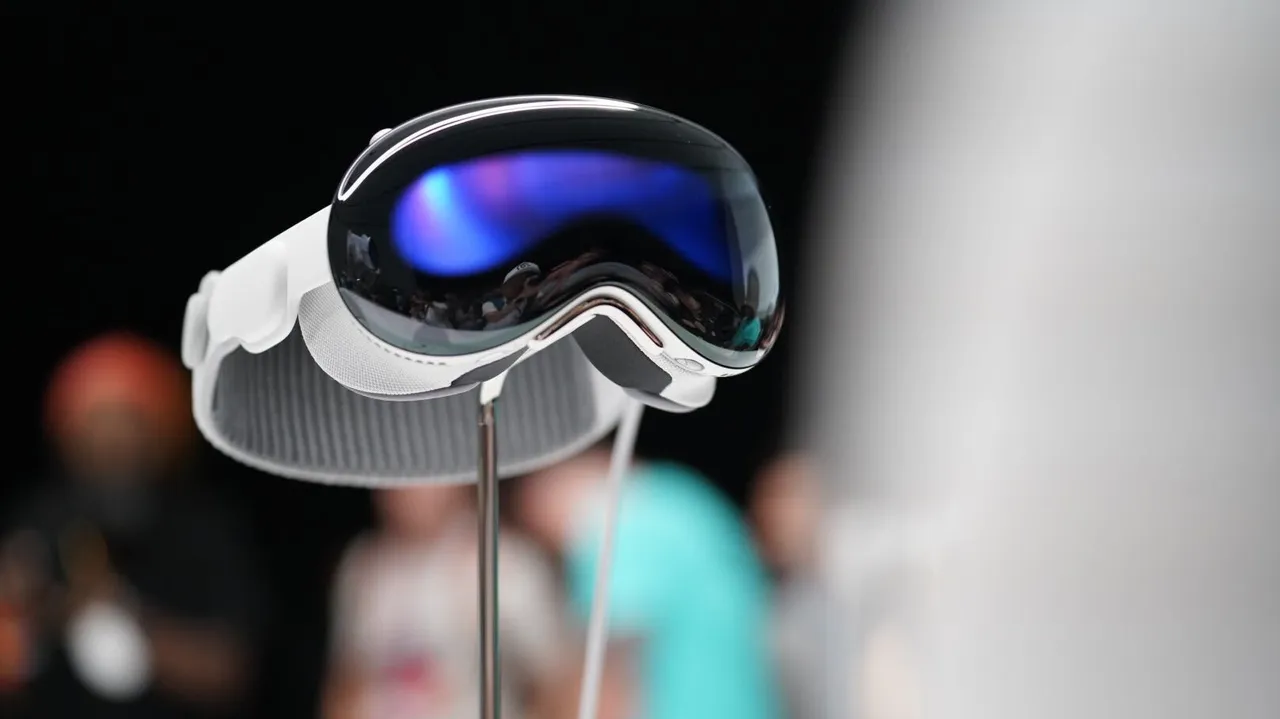
Competition from Existing Wearables
Another reason for Apple's hesitation appears to be the overlap in functionality between proposed AR glasses and existing Apple products. Apple's AirPods and Apple Watch have already captured a significant market share by offering a suite of features that smart glasses like Meta's Ray-Ban Stories aim to provide. These include immersive audio experiences with Siri and ChatGPT, notification systems, playback controls, and upcoming enhancements like camera integration. This redundancy diminishes the immediate need for a separate AR glasses product, as existing wearables meet current consumer demands efficiently.Future Prospects: What’s Next for Apple in AR?
While the cancellation of the AR glasses project might seem like a setback, it could also be a strategic pause. Apple is likely using this time to refine its existing products and address the weight and comfort issues with the Vision Pro. This approach not only aligns with Apple's history of perfecting its offerings before launching new product categories but also allows the company to wait for advancements in technology that could better serve AR applications.