How GitHub’s New Copilot Feature Is Changing Coding – Create Code from Photos in a Snap!
GitHub has recently unveiled several innovative updates to Copilot, its AI-powered programming assistant, promising a transformative impact on how developers interact with code. Among these updates, the feature that stands out is 'Vision for Copilot', a tool that enhances the programming experience by allowing the integration of visual inputs directly into the development process.
GitHub Unveils Game-Changing Features
'Vision for Copilot' is not just a feature; it's a gateway to a more intuitive coding environment. By enabling users to upload screenshots, photos, or diagrams directly into a chat interface, Copilot can now generate the necessary interface, code, and alt text to bring these mockups to life. This functionality is particularly useful for team members in roles like marketing, who can visualize changes to a webpage and have Copilot implement them directly from the image.
"Rather than requesting changes via text prompts, it’s now possible to upload an image and just ask Copilot to implement the changes as indicated in the file," GitHub stated, highlighting the ease and efficiency introduced by this feature. Initially available as an extension in VS Code since October, this capability is set to become a native feature within GitHub Copilot Chat, streamlining the development workflow even further.
Predicting Developer Needs with Next Edit Suggestions
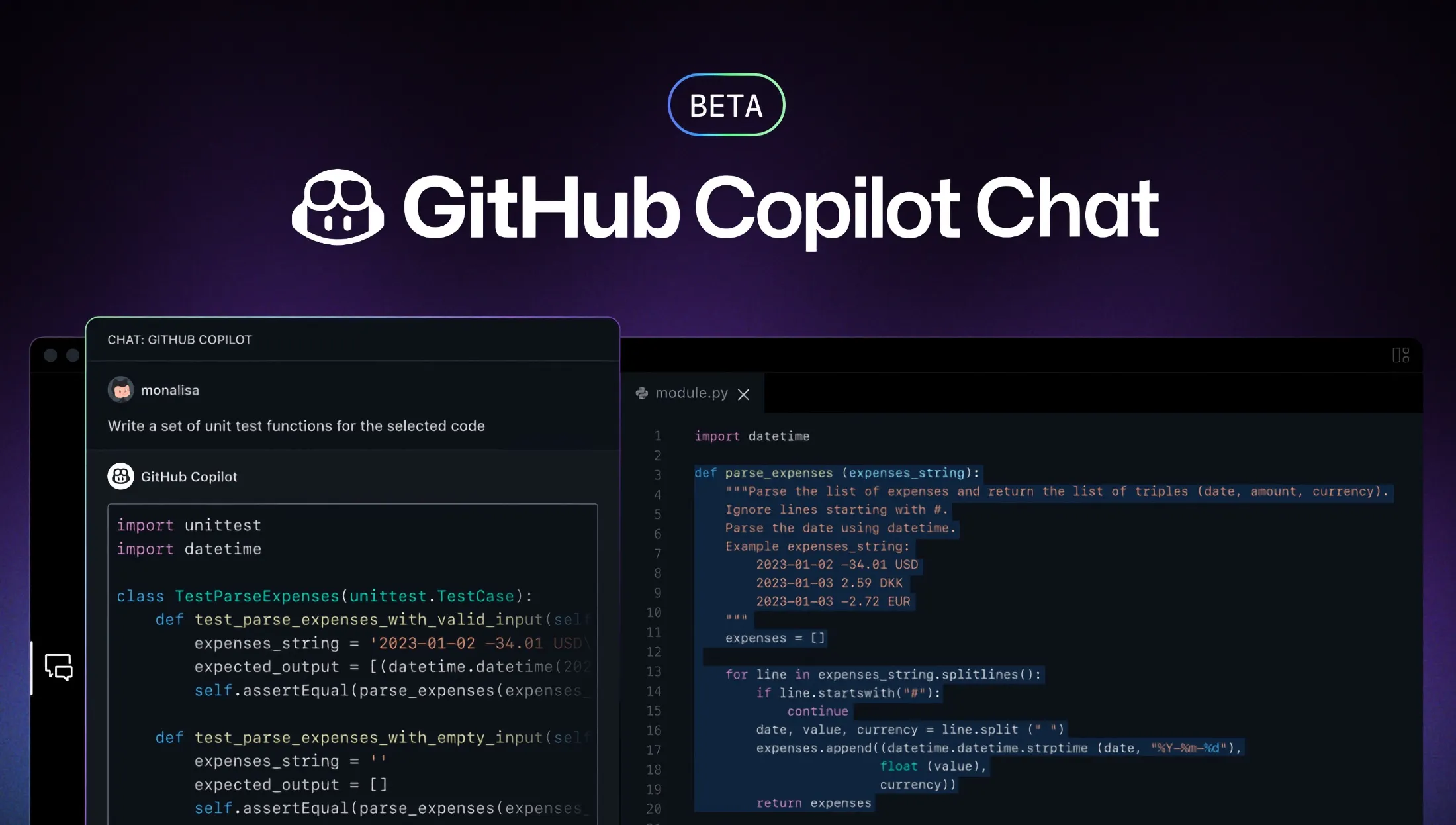
Another significant enhancement is the 'next edit suggestions' feature. Building on the existing code-complete functionality, Copilot now examines recent edits and uses this context to predict and suggest subsequent modifications. This predictive ability allows developers to streamline their workflow by accepting suggestions with a simple press of the Tab key, or rejecting them with Esc, making the coding process faster and more fluid.
The Road to an Agentic Future: Copilot Edits and Project Padawan
The introduction of Copilot Edits last November marked a milestone in GitHub's journey towards creating a more agentic AI. Now generally available, this feature allows for multi-file edits based on natural language prompts. It represents a shift towards a future where AI does more than just assist; it understands and acts with a degree of autonomy.
Snap a Photo, Create Code
"GitHub is really pushing the boundaries of what an AI-powered tool can do in the software development process," said GitHub CEO Thomas Dohmke. He emphasized that the long-term vision includes the development of 'agent modes' for Copilot, which would automate a broad array of tasks, further reducing manual effort for developers.
Project Padawan is another ambitious initiative under development. Envisioned as a software engineering (SWE) agent, this project aims to enable Copilot to handle complete tasks independently, under the guidance of a developer. While still in the early stages, the goal is for Copilot to not only execute tasks but also to understand and adapt to the developer's intent comprehensively.
A Collaborative Future Awaits
GitHub's latest updates to Copilot are setting the stage for a future where coding becomes more intuitive, efficient, and collaborative. As GitHub continues to refine these features, seeking feedback from partners and the community, the potential for AI to revolutionize software development grows ever clearer.
Transforming Code with GitHub Copilot
The progress of AI in software development, as demonstrated by GitHub Copilot, not only enhances the productivity of individual developers but also fosters a more dynamic and integrated approach to creating software. This is a vivid example of how AI is becoming an indispensable ally in the tech industry.