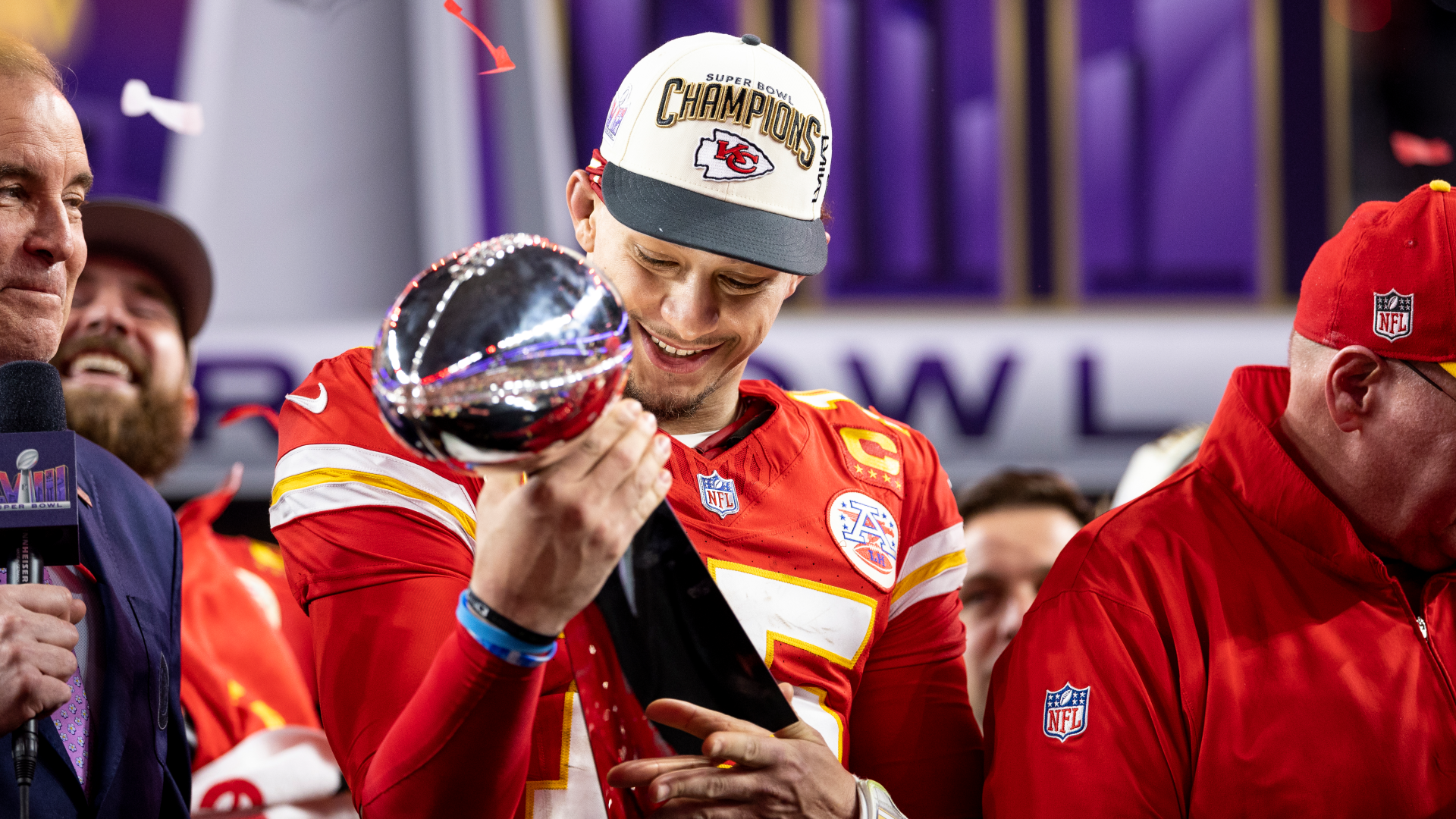
In a surprising turn of events at the Super Bowl LIX, where the Philadelphia Eagles claimed victory over the Kansas City Chiefs, Taylor Swift found herself facing an unexpected and uncomfortable situation—being booed by the crowd at the Superdome. The incident has since sparked discussions across various platforms, highlighting the often unseen challenges faced by celebrities in the limelight.

The Incident Unfolded
Amidst the electrifying atmosphere of a closely contested Super Bowl 2025, the pop sensation's presence initially added to the excitement. However, the mood shifted when Swift was met with boos from sections of the crowd. Known for her poise, Swift's response to the incident was both dignified and poignant. "It must be exhausting always rooting for the anti-hero," she remarked, a statement that reflects her awareness of the complex dynamics of public perception and fame. This response underscores Swift's ability to maintain her composure and articulate her feelings in moments of adversity. Her remark not only highlights her resilience but also subtly criticizes the often harsh reality of celebrity culture, where public figures can be unpredictably turned into villains or heroes.Analyzing Swift's Response
Taylor Swift's comment, "It must be exhausting always rooting for the anti-hero," serves as a powerful reminder of the narratives constructed around celebrities. These narratives can often be influenced by the media, public opinion, and the shifting dynamics of popularity and visibility. Swift's ability to navigate this with grace and critique speaks volumes about her maturity and understanding of her role as a public figure.
The Role of Media and Public Perception
The incident also sheds light on the role of media and advertising in shaping public perceptions. In today's digital age, celebrities are subject to intense scrutiny, and every action can be magnified, often out of proportion. The presence of various cookies and tracking technologies, as outlined in the event's privacy policy, further complicates this by influencing the information and advertisements individuals receive, thus shaping public discourse in subtle yet significant ways. These technologies, while enhancing user experience and providing personalized content, also contribute to a tailored narrative that can sometimes lead to misunderstandings or a biased view of celebrities like Swift. It raises important questions about privacy, consent, and the ethical implications of digital advertising and media consumption.