Marvel Studios, once the master of post-credits scenes, seems to have lost its touch with the latest release, Captain America: Brave New World. This film concludes not with a bang, but with what might be the MCU’s most underwhelming post-credits scene to date. A formula once perfected by the introduction of characters like Nick Fury and the foreshadowing of icons like Thanos, has given way to a predictable nod to an already overly familiar multiverse.
The Fall from Grace
Historically, Marvel’s end-credit sequences have been pivotal, teasing everything from new heroes to uncharted territories, and setting the stage for future blockbusters. However, the teaser following Brave New World bucks this trend, featuring the hyper-intelligent villain, The Leader, a.k.a. Samuel Sterns, portrayed by Tim Blake Nelson. The scene is set in the mid-ocean prison complex known as the Raft, marking its first appearance since Captain America: Civil War. Here, the new Captain America, Sam Wilson, visits Sterns for reasons that remain as murky as the depths surrounding the Raft itself. Sterns’s dialogue eerily mirrors Nick Fury's words to Tony Stark in the very first MCU post-credits scene, yet lacks the original’s intrigue and novelty. “You think you’re the only ones? You think this is the only world?†Sterns muses, reiterating a theme that has been a staple in MCU narratives for the past four years with series like Loki and films like Doctor Strange in the Multiverse of Madness.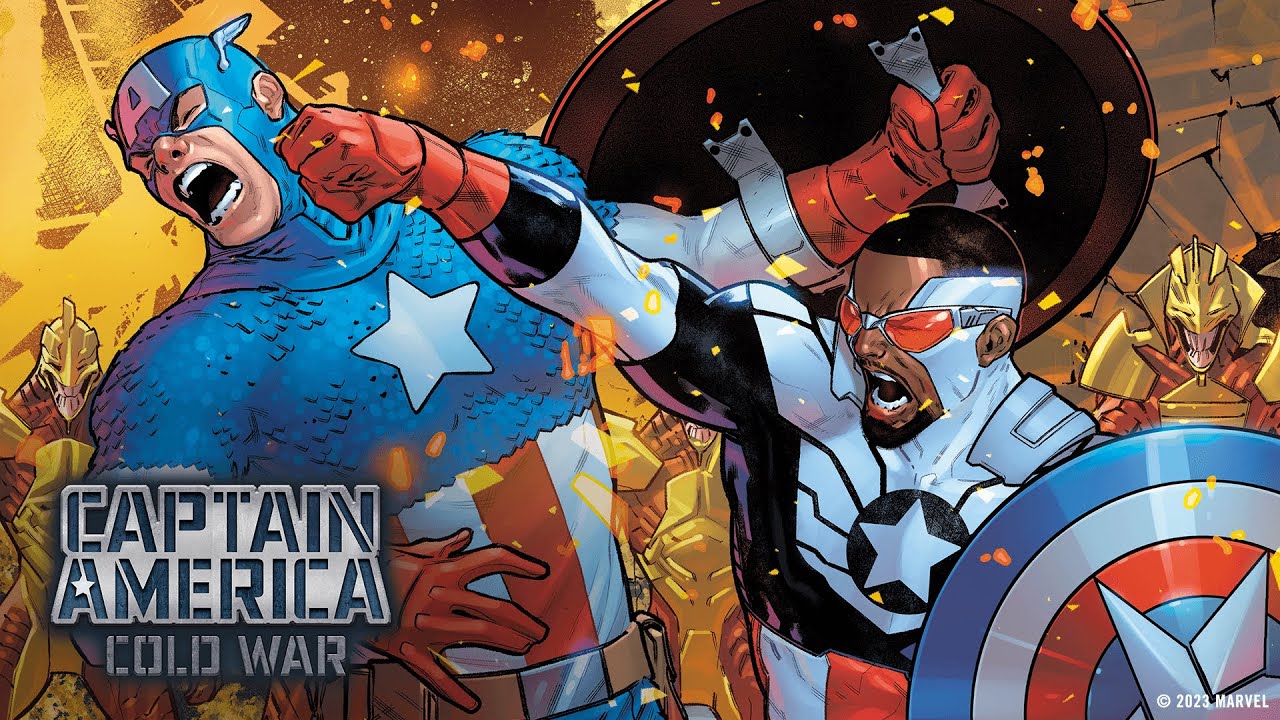
Redundancy and Audience Fatigue
The audience's reaction mirrors Sam Wilson's nonplussed response — a testament perhaps to Anthony Mackie’s own bafflement at the script’s direction. This scene could have been impactful had it been part of earlier films like Black Widow, when the multiverse was still a fresh concept. Instead, it rehashes familiar territory, reminding us that the multiverse has not only been explored but has begun to tire its audience, evidenced by the lackluster box office performance of Ant-Man and the Wasp: Quantumania. The dialogue’s nod to an expansive universe now feels less like a promise and more like a retread of well-worn paths. It’s a stark contrast to the innovative spirit that once defined Marvel’s cinematic universe, turning exciting teasers into mere formalities.