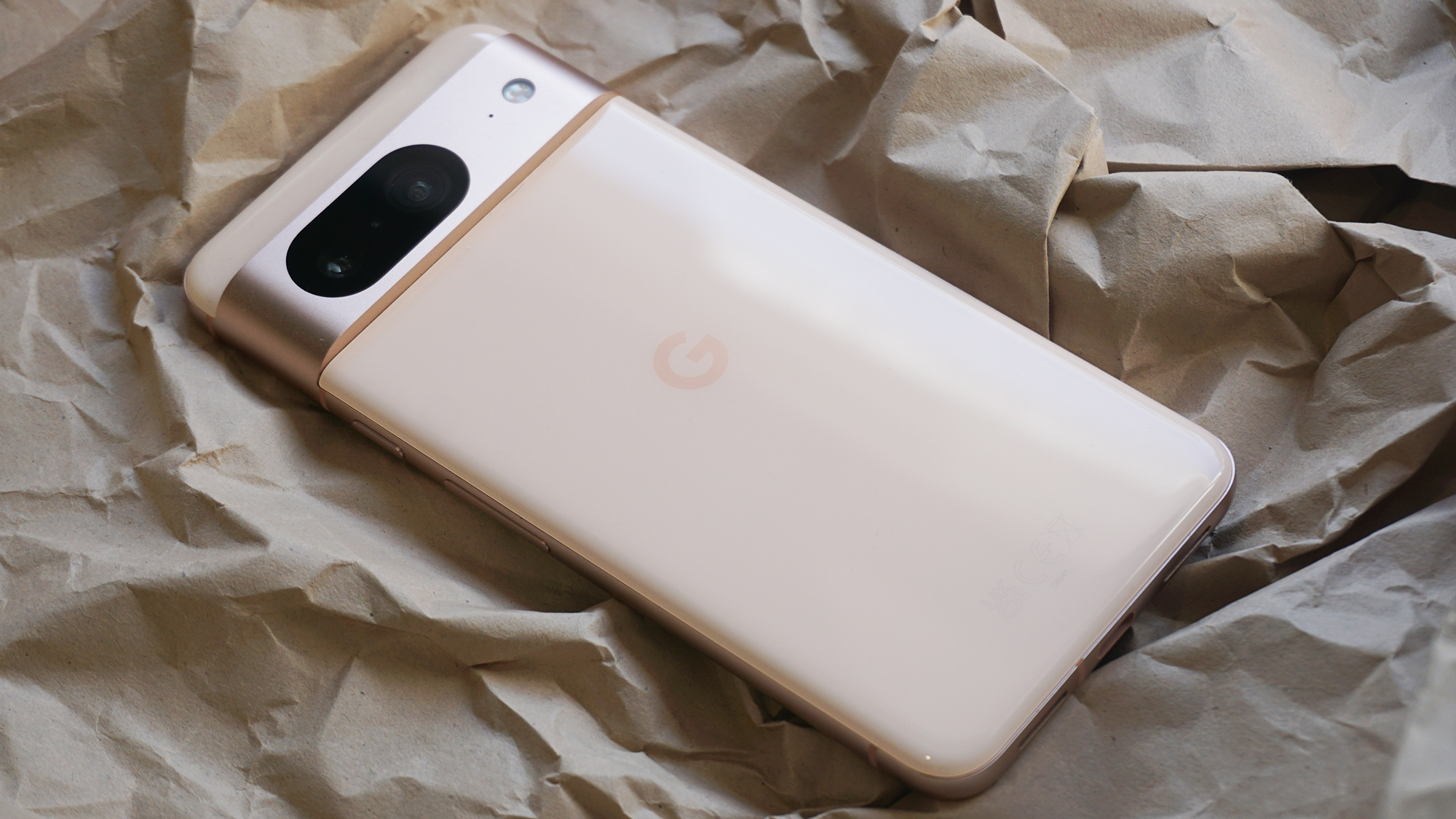
In a recent revelation, a Samsung Executive Vice President has clarified a misconception about the longevity of smartphone updates, particularly with the upcoming Galaxy S24. While Samsung promises seven years of updates, the reality is that not all features of new software releases, like One UI 7 based on Android 15, will be compatible with older models due to hardware limitations.
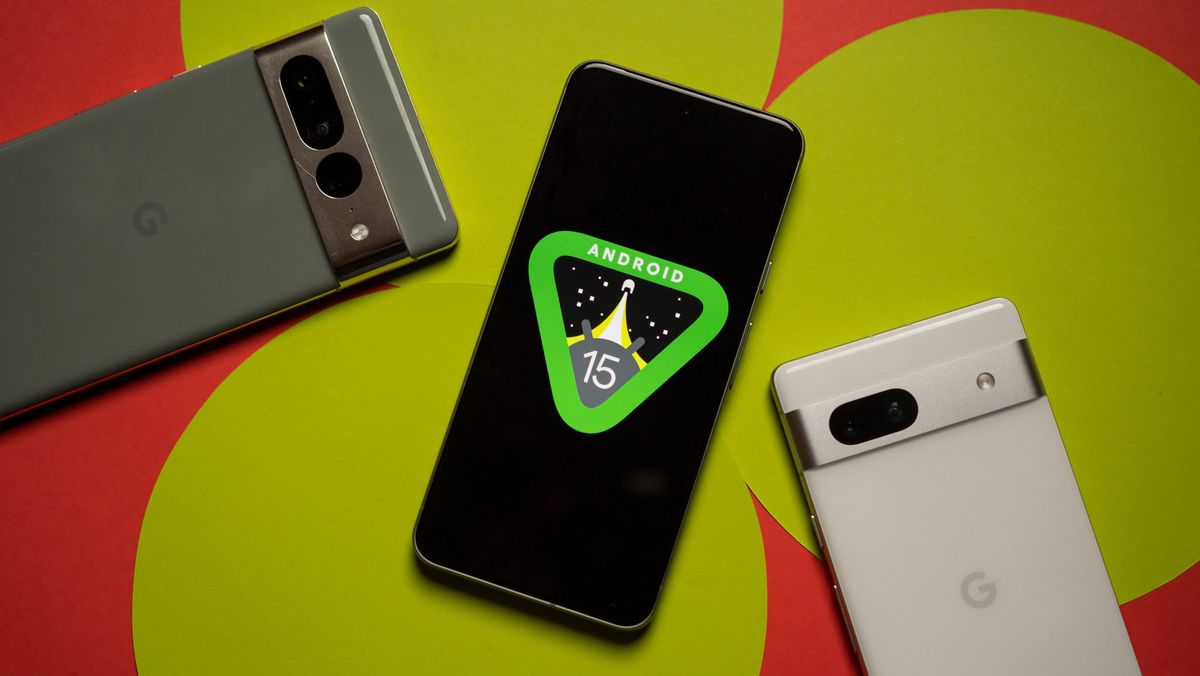
Understanding the Limitations of Hardware in Smartphone Updates
The idea that older smartphone models can continuously support new features is, unfortunately, a bit of a fantasy. The new Galaxy S24, for instance, will miss several features from One UI 7 as they rely heavily on the latest hardware components, such as the Snapdragon 8 Elite chipset, which supports advanced AI functionalities through Samsung’s Personal Data Engine. This selective feature availability underscores a crucial point: while smartphones may receive new updates for up to seven years, the extent of what these updates bring can be significantly curtailed by the physical capabilities of older hardware.The Evolution of AI and Its Impact on Smartphone Capabilities
As technology progresses, particularly with the integration of AI, newer models like the Galaxy S26 are expected to showcase features that won't be available on slightly older models like the Galaxy S25. This development cycle is typical not just for Samsung but across the tech industry, including brands like Google with its Pixel series and Apple's iPhones, which also see a gradation in feature availability based on hardware specs.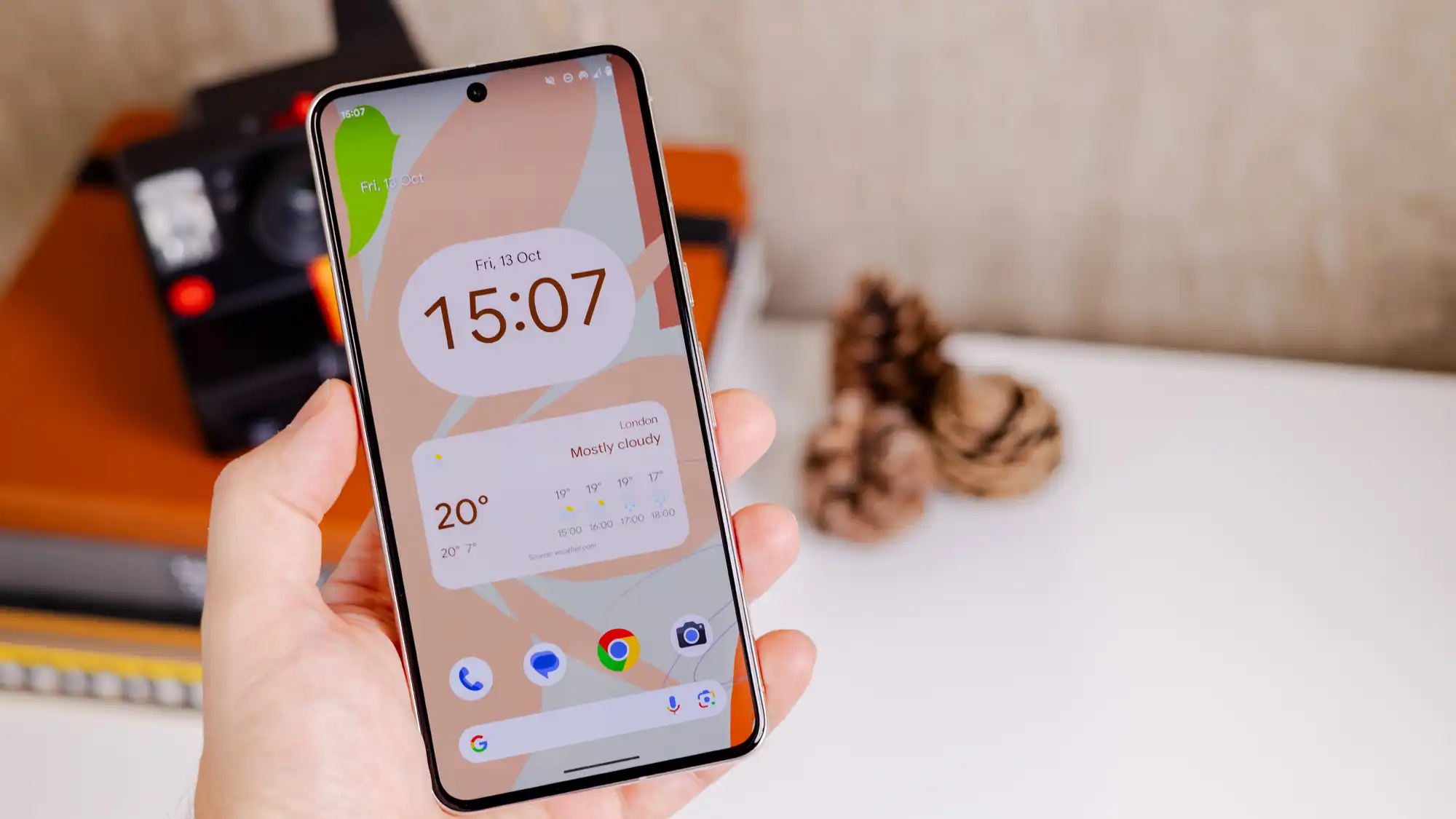
What Long-Term Support Really Means for Consumers
The promise of long-term support, often cited as up to seven years, doesn't necessarily mean that older smartphones will keep up with the latest features. Instead, it assures users that their devices will remain functional, secure, and mostly bug-free for a longer period than previously expected. For many consumers, this means their device will likely outlast many of its original components, like the battery.The Broader Implications for Smartphone Longevity
The discussion about updates and hardware limitations opens up a broader conversation about consumer habits and the environmental impact of frequent upgrades. Manufacturers recognizing the need for extended support is a positive trend that could lead to more sustainable consumer practices, potentially reducing the environmental impact associated with manufacturing, shipping, and disposing of smartphones.