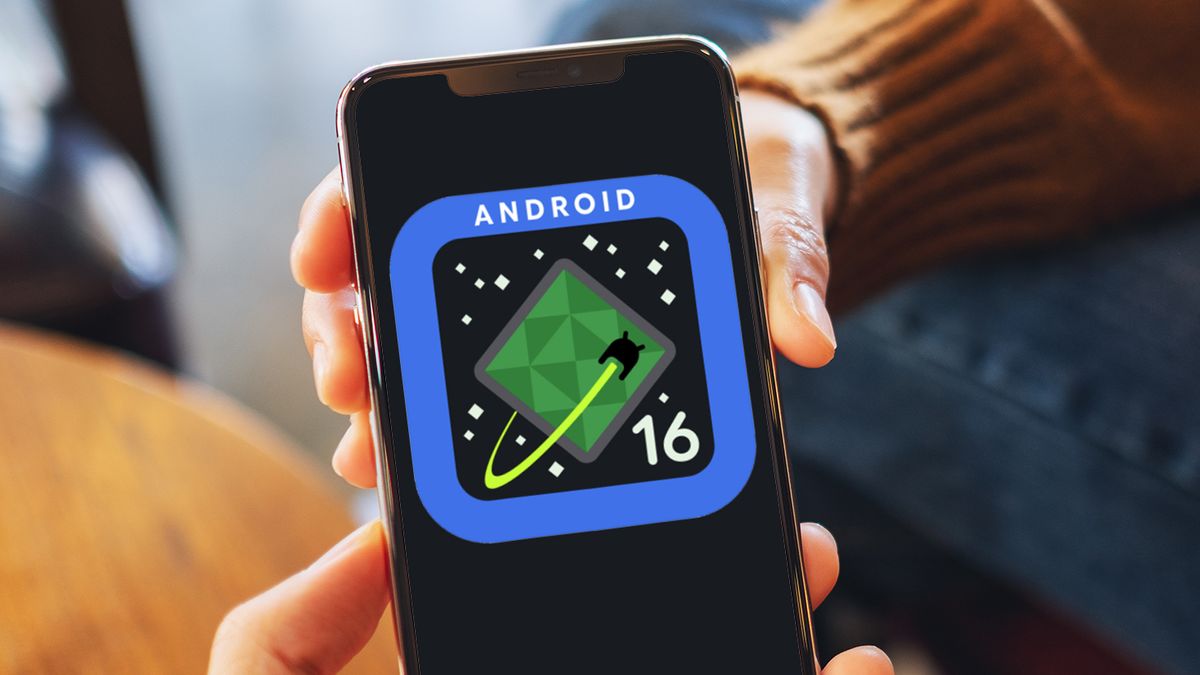
The tech world is buzzing with the latest updates on Android OS. As Google rolls out Android 16, it's clear that the tech giant is not only pushing the envelope but also gaining significant ground on Samsung's tumultuous rollout of Android 15. This week, we dive deep into the developments that have tech enthusiasts and professional users keenly watching the evolving landscape of mobile operating systems.
The Rocky Road of Android 15
Samsung's journey with Android 15 has been anything but smooth. Delays and technical glitches have marred its deployment, contrasting sharply with the more stable progression of Android 16. "Android 15 keeps giving OEMs trouble," as highlighted by the initial rollout delays and ongoing issues with devices becoming unusable post-update. Samsung, in particular, has faced challenges in seeding the software, which has led to a perception that the update might be jinxed.Google Charges Ahead with Android 16
On the flip side, Google's Android 16 is making strides with robust updates and a clear path toward platform stability. Announcing an accelerated timeline, Google plans to deliver a stable version of Android 16 by Q2 2025. The latest beta version of Android 16 introduced significant changes, including mandatory support for edge-to-edge display formats in apps targeting the new OS. This move signals a shift towards more immersive app experiences, with Google setting a trend that will likely become standard by 2027.
The Impact on User Experience and Developer Ecosystem
The contrast between the two Android versions isn't just a technicality—it's reshaping user experiences and the developer ecosystem. Android 16's seamless introduction of new features and quick adaptation by developers stands in stark contrast to the hiccups seen with Android 15. As one industry observer noted, "The Now Bar on a Galaxy S25 Ultra highlights some of the best AI features of the new update, though not all could be enjoyed due to hardware limitations."Samsung's Slow March with One UI 7
Adding to the Android drama, Samsung's One UI 7 has its own timeline troubles. Originally slated for an early preview in late July, the first beta only landed in December, pushing the expected stable release to potentially Q2 2025. This delay has set back expectations and may affect user loyalty as competitors like Google forge ahead.