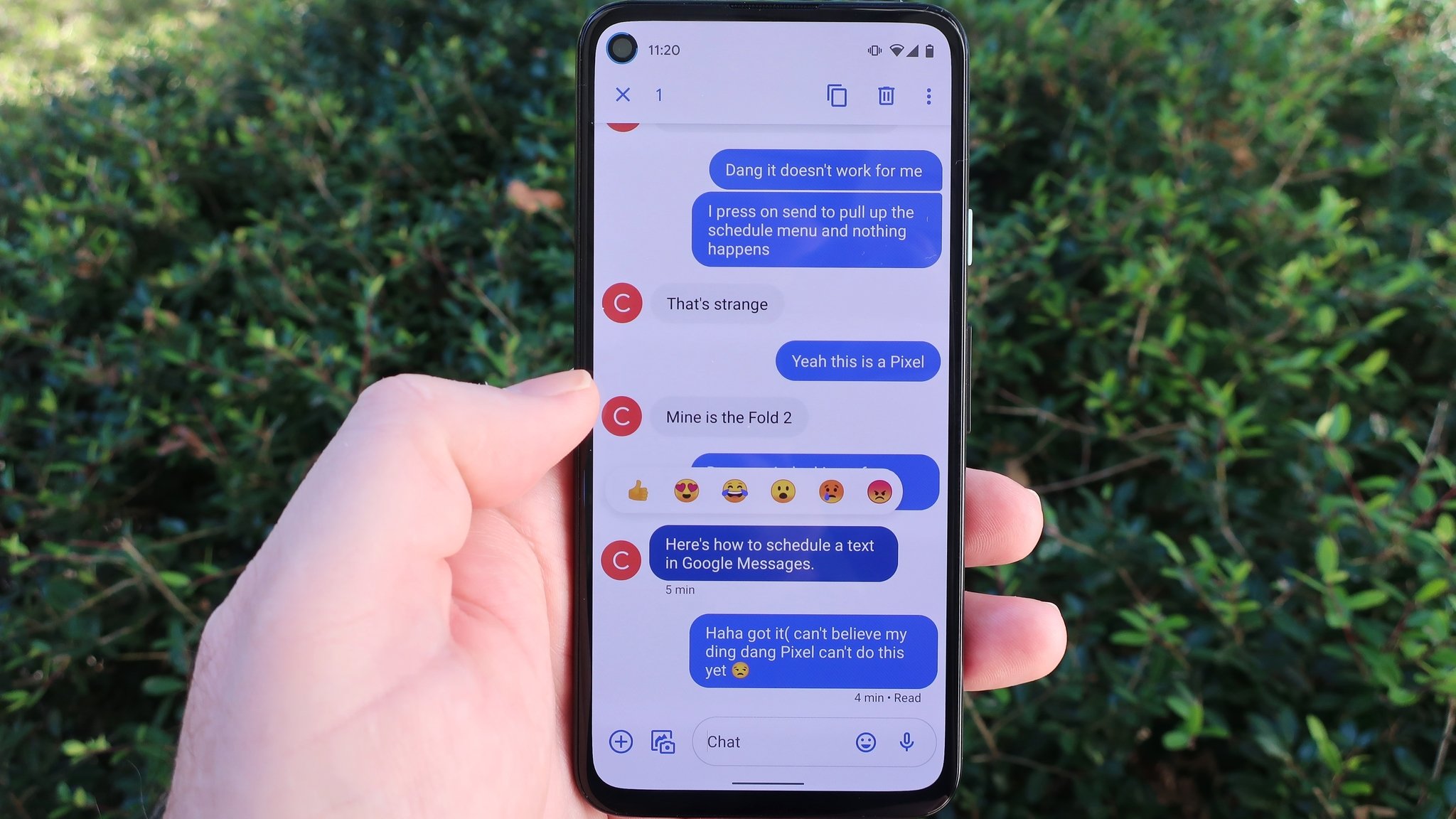
Google Messages has undergone an update that enables Android users to leverage it as a notes application, alongside its traditional messaging functionalities. Initially reported by Android Authority, this feature allows users to send themselves lengthy messages, high-quality media, and more through Rich Communication Services (RCS), breaking free from the limitations of traditional SMS. However, while the update sounds promising, it falls short in practice, particularly concerning security.
The Security Pitfalls of Using Google Messages as a Notes App
The appeal of using messaging apps for note-taking is evident, especially as they often come pre-installed and are easy to use. However, this practice introduces significant security risks. RCS, the protocol behind the latest Google Messages features, does not support end-to-end encryption, even for messages sent to oneself. This oversight becomes a critical vulnerability, as demonstrated by recent cybersecurity incidents, including an attack by a group named Salt Typhoon, which targeted U.S.-based communications following the cross-platform adoption of RCS messaging between Apple and Android devices. The FBI and CISA have since issued warnings urging the use of encrypted messaging services, especially for sensitive communications.Safer Alternatives for Secure Note-Taking
For those seeking a reliable notes app and are hesitant to settle for the default one on their phones, there are several secure alternatives that do not compromise on privacy:1. Signal: A Gold Standard in Secure Messaging
Signal has carved a niche for itself beyond just a messaging app. It is revered for its robust security measures, offering end-to-end encryption by default. Signal requires user authentication upon every login, ensuring that notes and communications remain confidential, making it an ideal choice for journalists, activists, and anyone prioritizing privacy.
2. WhatsApp: Convenient and Secure
Popular globally for its communication features, WhatsApp also serves as a practical note-taking tool linked to the user's phone number. It assures that all notes are secured with end-to-end encryption, meaning that they remain inaccessible to others, not even to Meta, the app's parent company.3. Strflow: Tailored for iOS Users
Strflow provides an innovative approach by integrating note-taking with journaling, exclusively on iOS. It organizes notes chronologically and allows users to enrich them with photos, links, and tags. Subscribers to Strflow Plus can enjoy enhanced security with encryption services for their data stored in iCloud.4. Day One: A Journaling Powerhouse
While primarily a journaling app, Day One offers excellent utility for note-taking with its intuitive design and default end-to-end encryption. It ensures that personal reflections and notes are safeguarded, providing peace of mind comparable to a traditional locked diary.