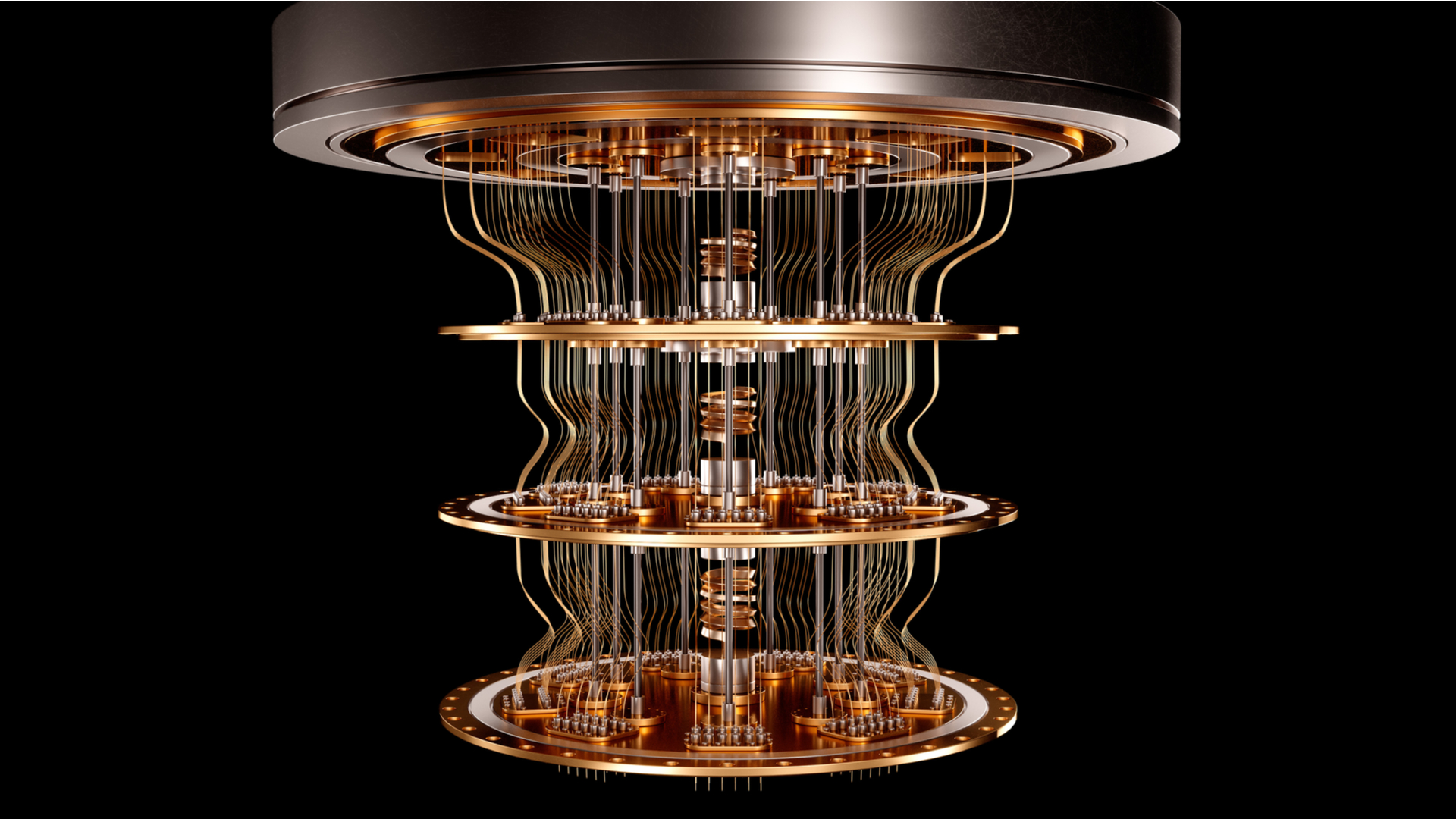
Microsoft has taken a bold step into the future of computing by announcing the creation of a new state of matter, designed to significantly advance the power of quantum computers. This revolutionary breakthrough centers around the development of what Microsoft calls a "topological qubit," a component that defies traditional classifications of matter such as solids, liquids, and gases.
A New Frontier in Computing
The concept of a quantum computer has long captivated scientists and technologists alike, with its promise to exponentially accelerate problem-solving across various domains, from pharmaceuticals to artificial intelligence. Quantum computing relies on the principles of quantum mechanics, exploiting the complex and often bewildering behavior of subatomic particles. Microsoft’s innovation does not merely push the envelope; it creates a whole new playbook. The topological qubit represents a leap in the design of quantum computers, embodying a phase of matter that many experts thought impossible. This isn't just about building another quantum computer; it's about leading a transformative shift in the technology's foundational approach.Microsoft vs. Google: The Quantum Race Accelerates
While Google has recently made headlines with its quantum computing achievements, Microsoft's latest move could potentially surpass Google’s advancements. In December, Google demonstrated a quantum computer that performed a calculation in five minutes, a task that would take traditional supercomputers longer than the age of the universe to complete. Microsoft’s approach, by integrating the newly developed topological qubits into a hybrid chip, marries the best of classical semiconductor technology with quantum mechanics' radical capabilities.
The Implications of Microsoft's Quantum Breakthrough
The implications of Microsoft’s new quantum state are profound. With a more stable quantum bit, or qubit, at its core, the potential for practical quantum computing becomes more immediate. This could dramatically reduce the time needed to develop new medications, improve complex data analysis, and advance artificial intelligence at an unprecedented pace. Furthermore, the development of a new state of matter suggests possibilities beyond quantum computing, including new materials with novel properties and applications that we have yet to imagine.