Google, the tech giant known for its innovative approaches to improving user security, is making a significant change to the way Gmail users authenticate their accounts. According to a recent announcement reported by Forbes, Google plans to phase out the use of SMS for two-factor authentication (2FA) in favor of QR codes. This strategic shift is aimed at combating the vulnerabilities and abuses currently associated with SMS authentication.
Why QR Codes?
Ross Richendrfer, a spokesperson for Gmail, outlined the rationale behind the transition. "Just like we want to move past passwords with the use of things like passkeys, we want to move away from sending SMS messages for authentication," Richendrfer explained. The decision targets the "rampant, global SMS abuse" that not only undermines security but also enables criminal schemes through traffic pumping—where fraudsters profit from artificially triggered SMS messages. The new QR code system will display codes that users can scan with their phone cameras, eliminating the need for entering shareable six-digit codes and reducing reliance on telecom carriers. This method is seen as a step forward in securing user accounts more robustly by removing easily interceptable SMS codes, which have been vulnerable to phishing and dependent on variable carrier security practices.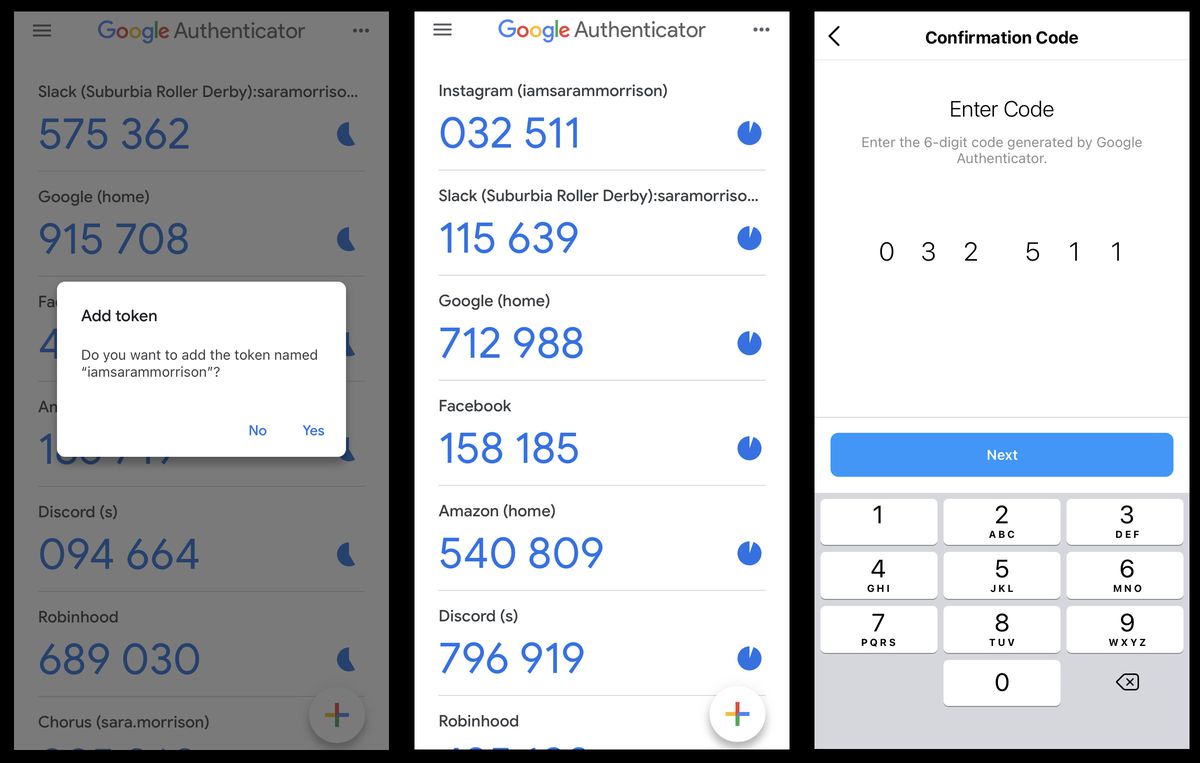
Mixed Reactions Among Users
The announcement has sparked a variety of reactions from the Slashdot community, ranging from concerns over the usability of QR codes to debates about their security. Some users expressed frustration over what they perceive as increasing complexity in the authentication process. "Making life more of a pain in the ass, every god damned day," one user commented, reflecting a sentiment that the change might complicate rather than simplify user experience. Others raised technical concerns about the security of QR codes themselves, suggesting that they could introduce new risks if not implemented carefully. "As soon as people get used to it, it's just another phishing attack vector," another user pointed out, highlighting the potential for QR codes to be exploited similarly to other digital authentication methods.Looking Towards a More Secure Future
Despite these concerns, the move away from SMS is in line with broader industry trends aiming to enhance digital security. Organizations like the National Institute of Standards and Technology (NIST) have long discouraged SMS-based 2FA due to its vulnerabilities. Google's shift to QR codes can be seen as an effort to align with best practices that favor more secure and resilient forms of authentication.