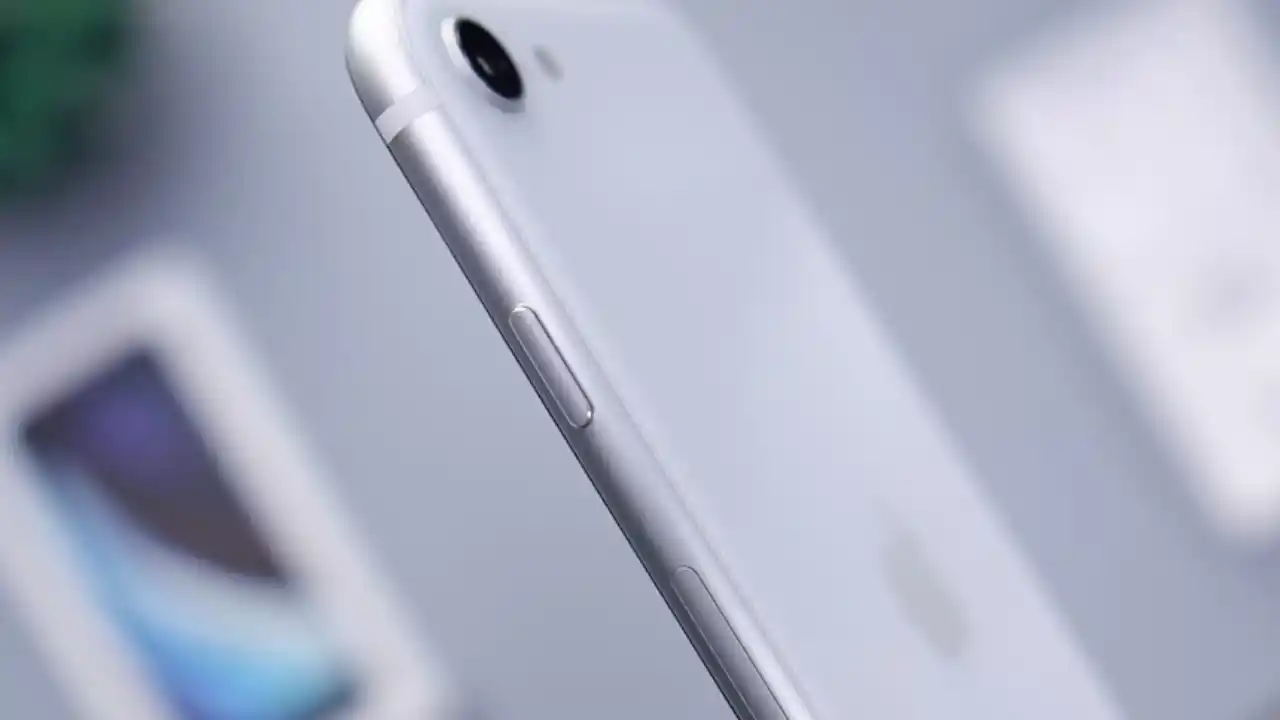
In the highly competitive world of smartphone technology, Apple's launch of its first-ever in-house 5G modem in the iPhone 16e marks a significant milestone. The initial results have left both users and experts pleasantly surprised, challenging the long-standing dominance of Qualcomm modems. Here’s an in-depth look at how Apple's C1 modem stacks up against its Qualcomm counterparts in real-world tests.
A Close Rival to Qualcomm's Dominance
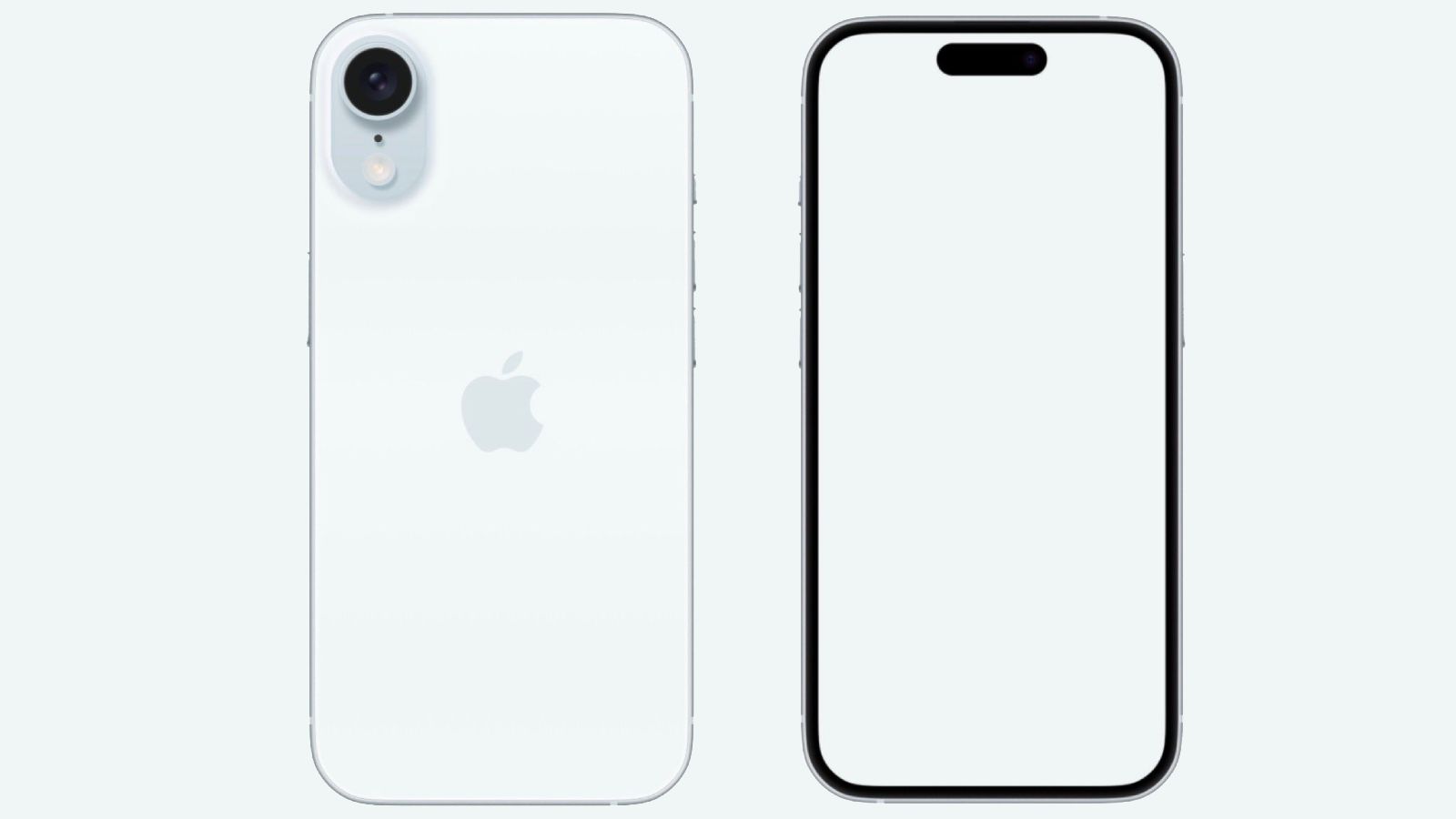
Traditionally, Apple has relied on Qualcomm for its modem technology, a partnership that has consistently delivered high-speed cellular capabilities to iPhone users worldwide. However, with the debut of the iPhone 16e, Apple introduced its custom-designed C1 modem, signaling a shift towards greater self-reliance in hardware production. Despite lacking support for the ultra-fast mmWave 5G in the U.S., the C1 modem’s performance has been on par with Qualcomm's Snapdragon X71 modem, found in other models of the iPhone 16 series.User Experiences and Expert Reviews
Leading tech reviewers have put the C1 modem through rigorous testing, comparing it directly with Qualcomm-equipped iPhones. Allison Johnson from The Verge shared her experience using the new modem, noting no significant difference in performance during various data-intensive tasks. Similar sentiments were echoed by John Velasco of Tom’s Guide, who conducted speed tests in New York City, finding minimal discrepancies between the devices.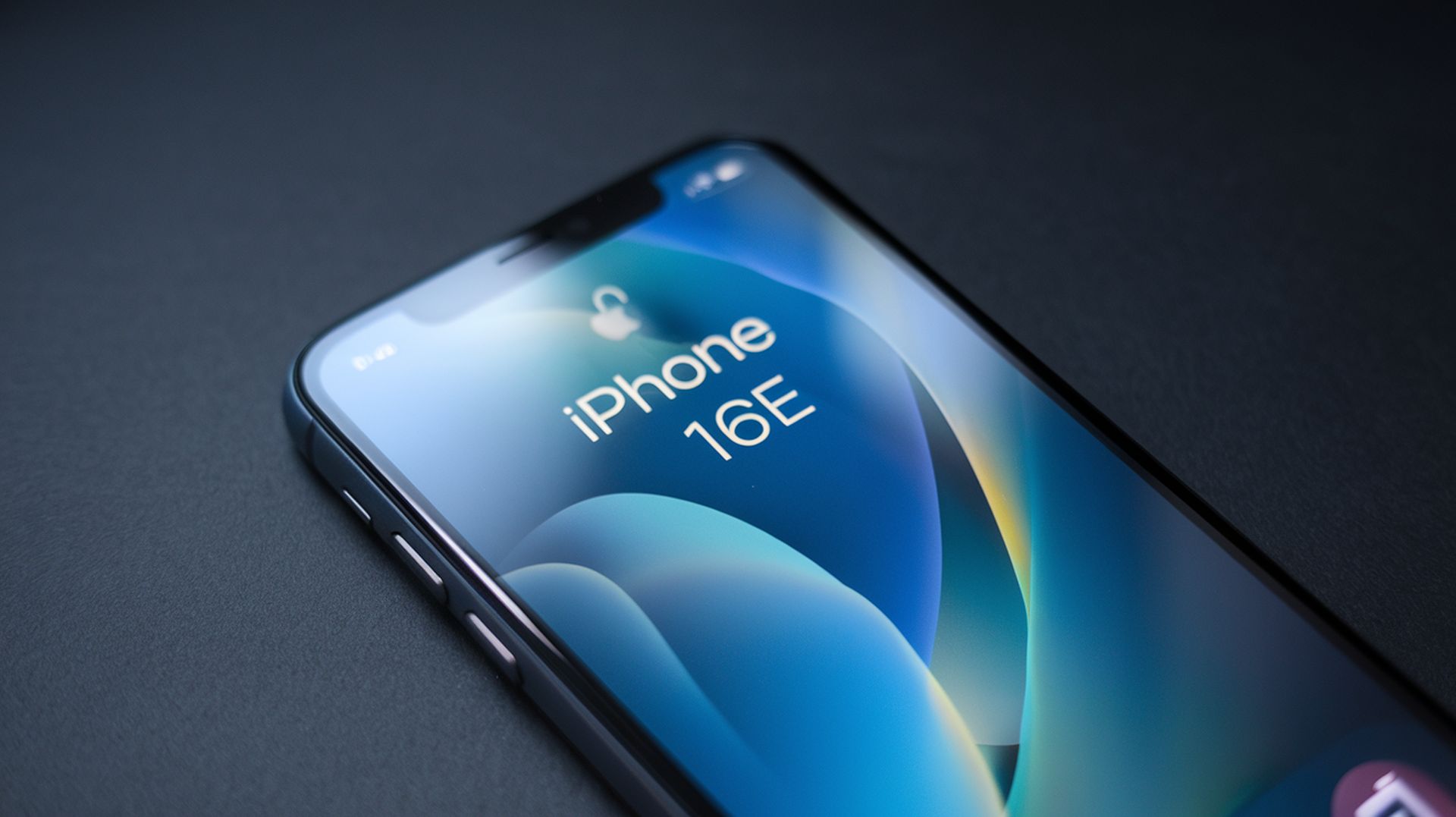
Performance Benchmarks: Surprising Results
Andru Edwards provided a more quantitative look at the modem's capabilities. In his tests, the iPhone 16e showed impressive peak 5G download speeds of 673 Mbps, closely matching the 667 Mbps speeds of the iPhone 16 Pro Max under similar conditions. More notably, in the bustling environment of downtown New York City, the iPhone 16e outperformed its Qualcomm counterpart in download speeds, although it lagged slightly in upload speeds. Dave Lee, from the YouTube channel Dave2D, also highlighted the C1’s superior performance in Canada's largest city, Toronto, where the iPhone 16e consistently outpaced the iPhone 16 Pro Max by 30 to 40 Mbps.Scientific Validation from Lab Tests
The Chinese YouTube channel Geekerwan provided a more controlled perspective by testing the iPhone 16e under lab conditions using an artificial 5G network. Their findings corroborated user reviews, showing that the C1 modem could hold its own against the iPhone 16 and other devices, both in terms of speed and reliability.