
In a pivotal moment for corporate environmental accountability, Apple finds itself at the center of a class action lawsuit. The lawsuit accuses the tech giant of misleading consumers with claims that certain models of its Apple Watch are carbon neutral. This legal challenge raises profound questions about the authenticity of corporate sustainability claims and the complexities of achieving genuine carbon neutrality.

The Controversy Surrounding Apple Watch's Carbon Neutral Status
The class action, filed on behalf of individuals who purchased the Apple Watch Series 9, Apple Watch Ultra 2, and Apple Watch SE, contends that these products were not truly carbon neutral. This accusation stems from Apple's reliance on what the lawsuit describes as ineffective carbon offset projects, which allegedly did not significantly reduce the company's greenhouse gas emissions. In 2023, Apple had announced these select models as its first carbon neutral products, highlighting efforts to reduce emissions through innovative practices in material usage, energy consumption, and transportation. However, the plaintiffs argue that the carbon offsets used—specifically from projects like the Chyulu Hills project in Kenya and the Guinan Project in China—did not meet the fundamental criteria for legitimate carbon sequestration.Examining the Impact of Carbon Offset Projects
The lawsuit points to a broader industry issue where companies buy carbon credits from projects that supposedly capture or prevent the release of carbon dioxide. However, the suit alleges that both projects sponsored by Apple were flawed. For instance, the Chyulu Hills Project has been protected against deforestation since 1983, suggesting that any claims of additional carbon capture due to Apple's involvement are misleading. Similarly, the Guinan Project is accused of planting trees in areas that were already forested, casting further doubt on the actual environmental benefit of these initiatives.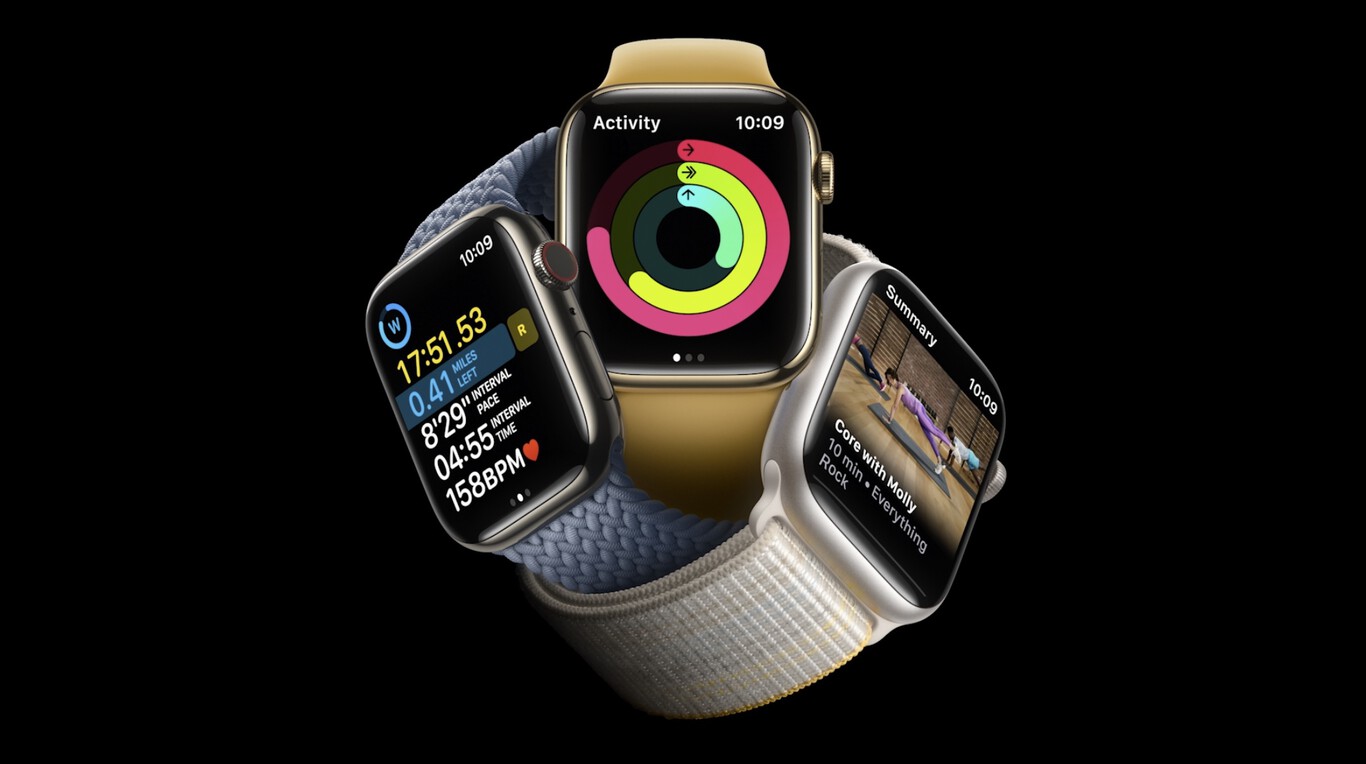
Apple's Defense and Environmental Strategy
Despite the lawsuit, Apple stands by its environmental claims. Apple spokesperson Sean Redding emphasized the company's commitment to leading the industry with its clean energy and low-carbon initiatives. According to Redding, Apple has successfully reduced emissions associated with the Apple Watch by over 75%, through significant efforts to clean up its supply chain and operational practices. Furthermore, Redding highlighted that Apple invests in nature-based projects that aim to remove substantial amounts of carbon from the atmosphere, although the effectiveness of these projects is now under legal scrutiny.Broader Implications for Corporate Sustainability
The unfolding lawsuit against Apple serves as a critical reminder of the need for transparency and honesty in environmental reporting. As companies increasingly claim to offer sustainable products, verifying these claims becomes crucial. The Institute of Public and Environmental Affairs, in a 2023 report, already pointed out discrepancies in Apple's supply chain emissions, suggesting that while individual products might be marketed as sustainable, the overall environmental impact of the company could still be growing.