Skip to content

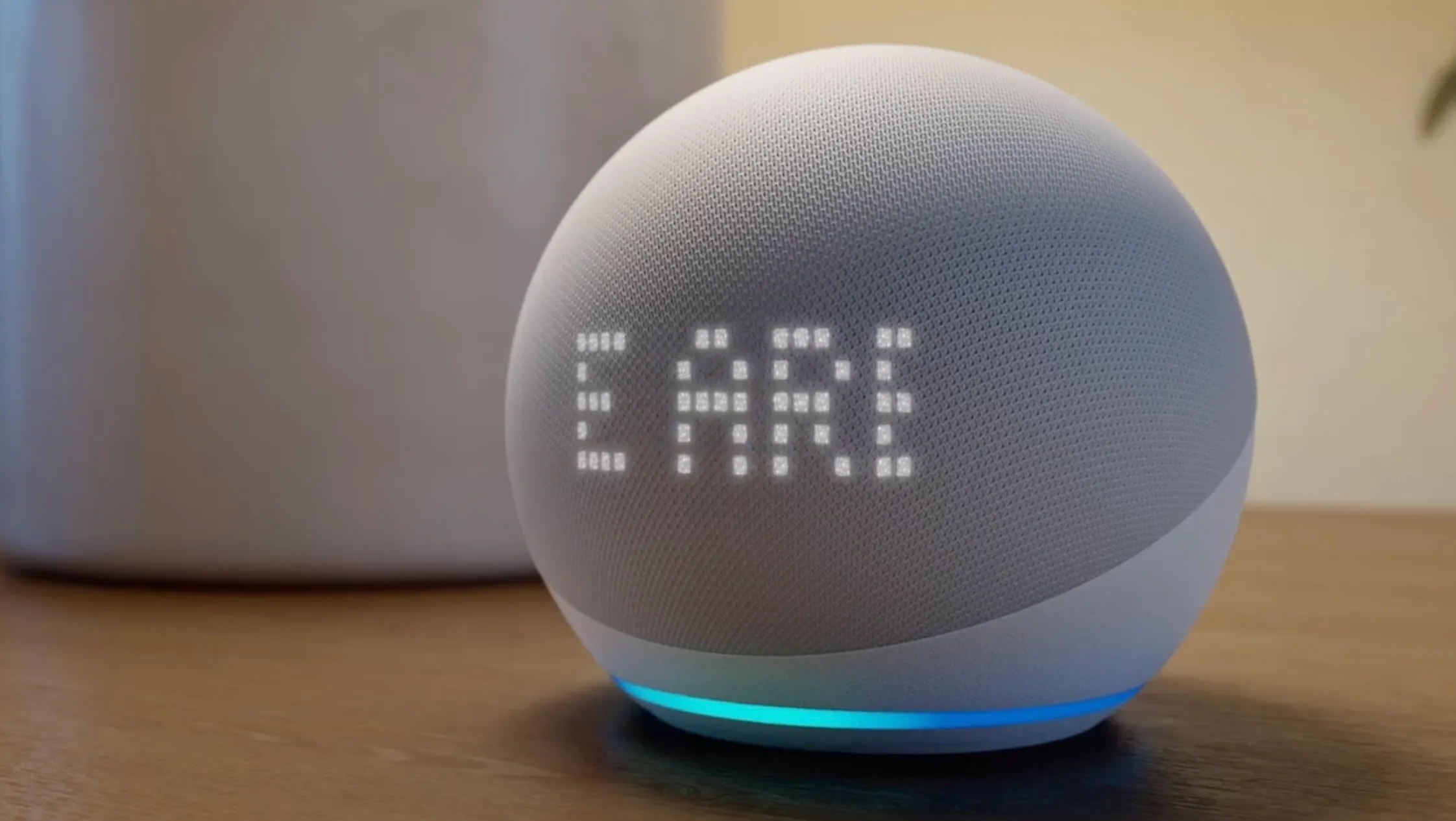
Amazon has announced a significant change to its Echo devices that marks a pivot towards fully embracing cloud-based processing. This move, set to take effect on March 28, 2025, will see the discontinuation of the "Do Not Send Voice Recordings" feature, which was previously available on a select few Echo models. This decision aligns with the upcoming release of Amazon's generative AI-powered Alexa Plus, enhancing the smart assistant's capabilities through advanced cloud processing.
A Closer Look at the Privacy Update
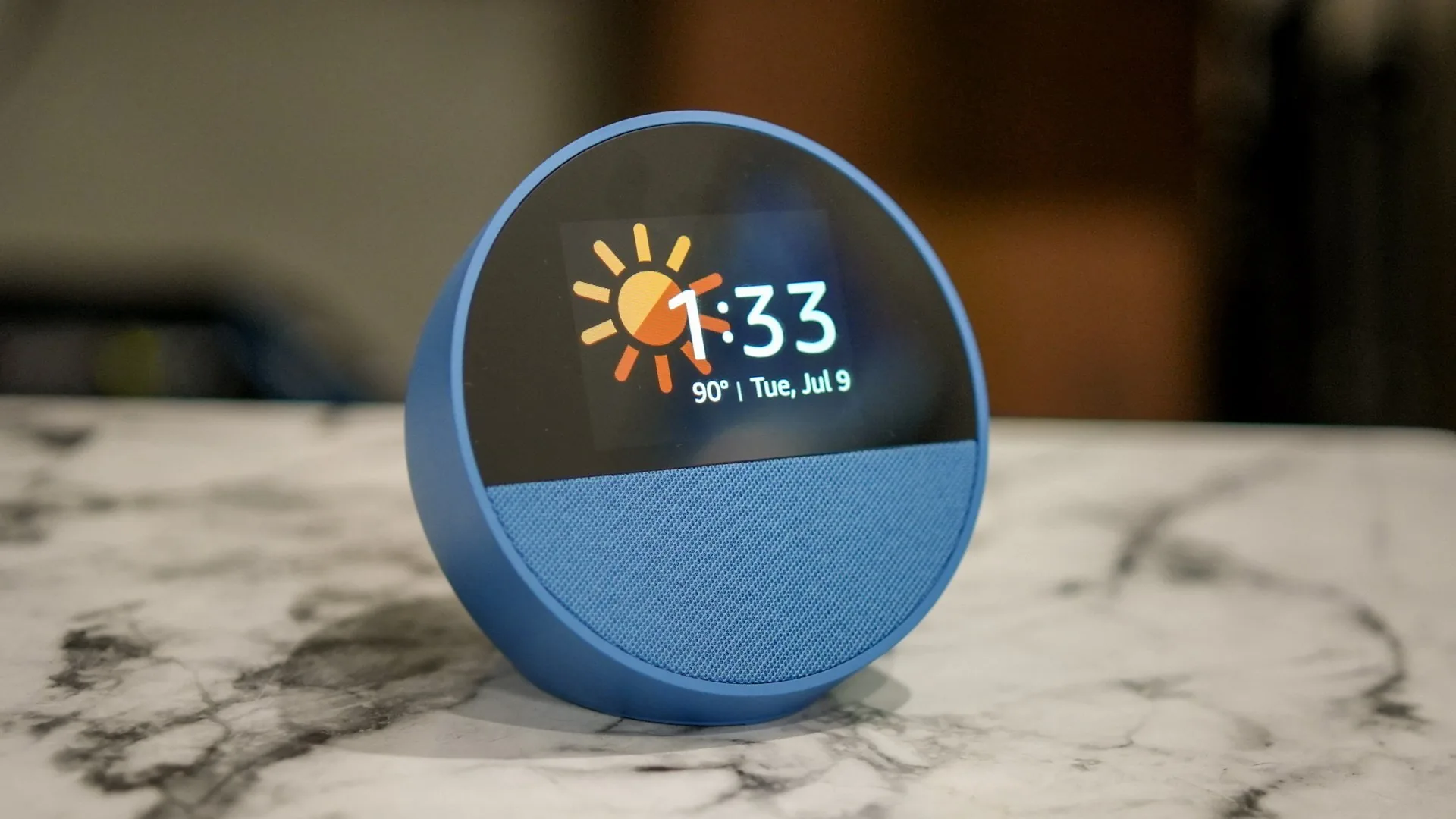
Initially offered as a privacy safeguard, the option to not send recordings to the cloud was available exclusively on three Echo devices: the Echo Dot (4th Gen), Echo Show 10, and Echo Show 15. This feature allowed these devices to process data locally, thus avoiding sending personal data externally. However, as Amazon pushes forward with its generative AI technology, the necessity for more robust cloud processing capabilities has led to the removal of this option. In a statement released through The Verge, Amazon spokesperson Lauren Raemhild emphasized the company's ongoing commitment to customer privacy and security. "The Alexa experience is designed to protect our customers’ privacy and keep their data secure, and that’s not changing," Raemhild stated. She highlighted that while the local processing feature is being phased out, Amazon continues to offer a variety of privacy tools, including the ability for users to opt not to save their voice recordings at all.
What This Means for Echo Users
For users concerned about privacy, this change does not eliminate the ability to control personal data entirely. Starting from the transition date, if a user had the "Do Not Send Voice Recordings" setting enabled, it will automatically switch to the "Don’t Save Recordings" option. This ensures that while voice data will still be sent to the cloud for processing, it will be deleted immediately after Alexa has handled the request. The local processing option was notably limited in its availability, being accessible only to U.S. customers with devices set to English. Although it offered a layer of privacy by minimizing data sent to the cloud, its limited rollout suggests that it was perhaps more of a test feature than a permanent fixture in Amazon's ecosystem.Exploring Alternatives
For those users who are still wary of cloud-dependent devices, alternatives like Home Assistant’s new Voice PE might be worth considering. This platform offers a non-cloud-dependent voice assistant, providing an option for those particularly sensitive about their digital privacy.