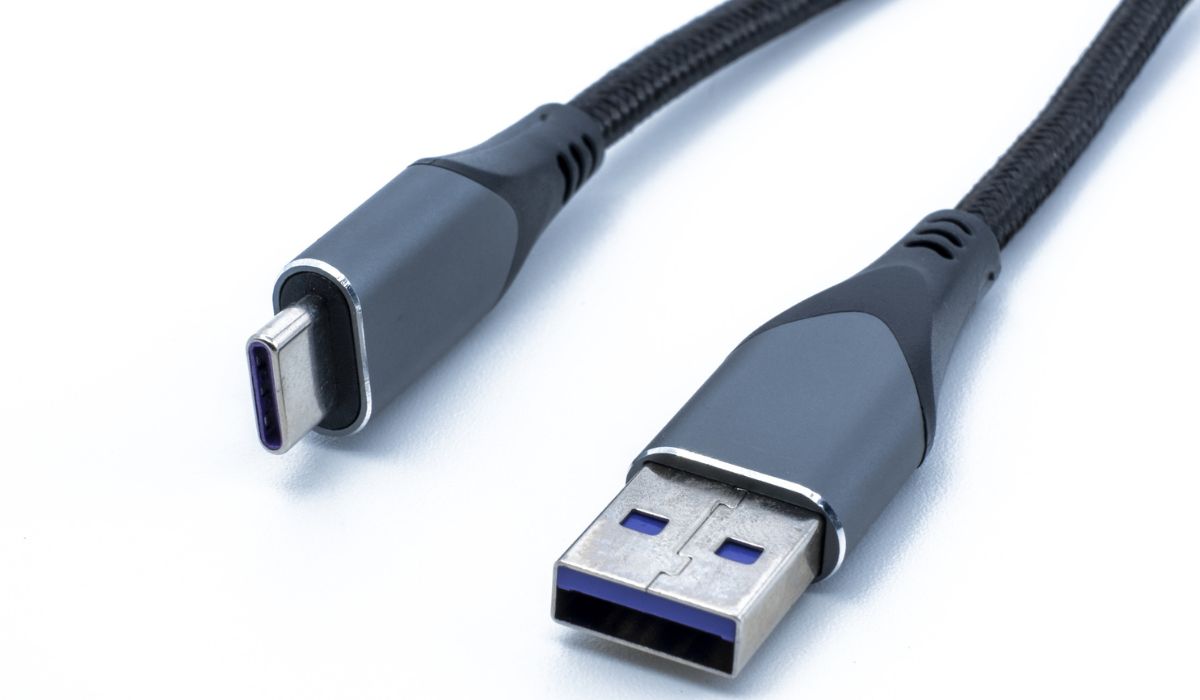
In an era dominated by rapid technological advancements, the persistence of Micro USB in 2025 feels like a step back. Despite the widespread adoption of USB-C since its introduction in 2014, many of us find ourselves tethered to devices that stubbornly cling to the older Micro USB standard. From portable photo printers to nail grinders and high-tech wearables, the relic of Micro USB continues to haunt our digital lives.
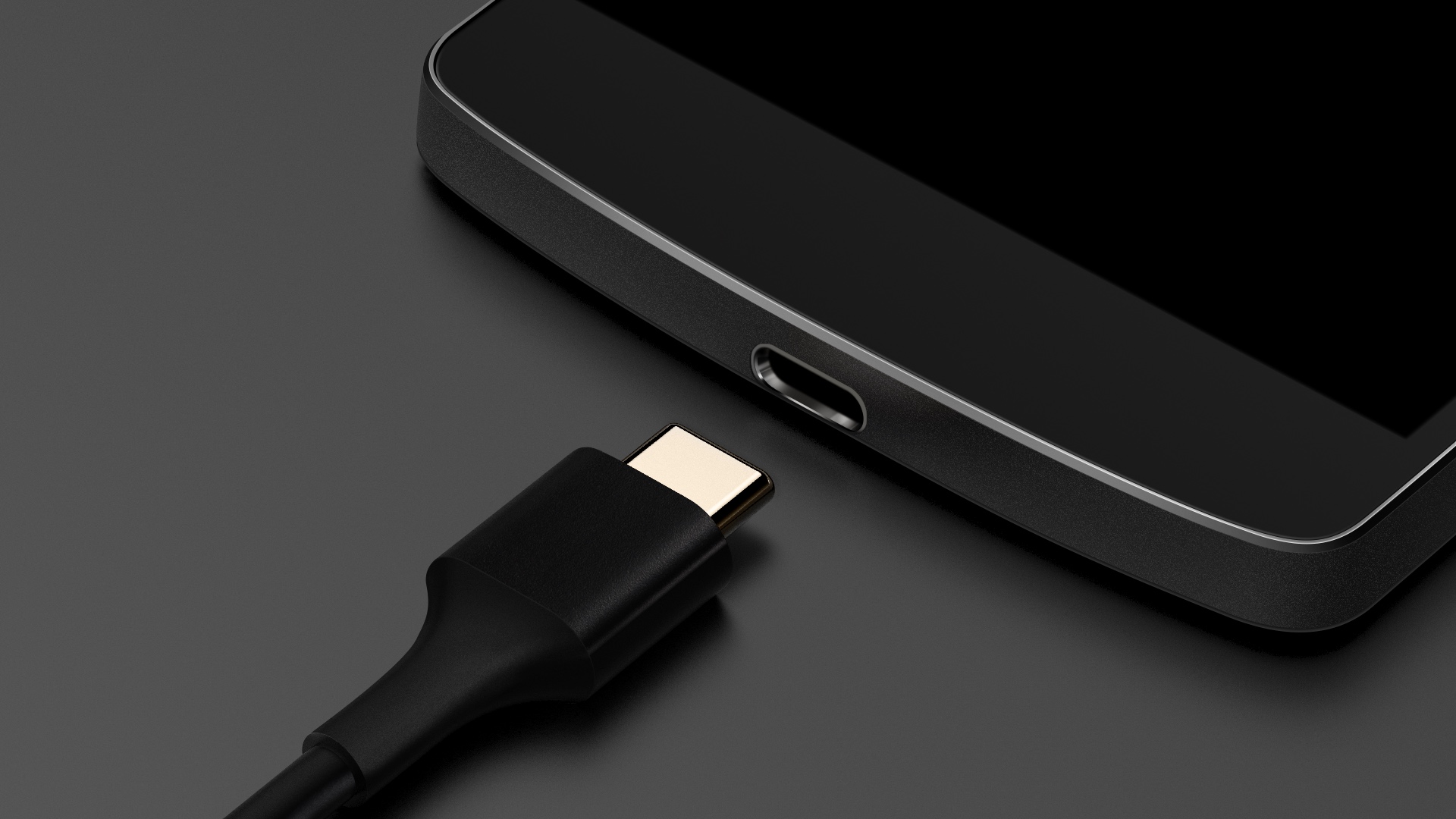
Why Micro USB Refuses to Die
One might wonder why, in a world where USB-C has become synonymous with efficiency and universality, the antiquated Micro USB port still finds its way into our gadgets. According to Jeff Ravencraft, president and COO of the USB Implementers Forum (USB-IF), the reasons are multifaceted, involving costs, supply chain dynamics, and long product refresh cycles. "For some gadgets, long refresh cycles are a big reason why you might buy something in 2025 and still see a Micro USB connector," explains Ravencraft. This issue is prevalent in industries like aviation and automotive, where USB-C integration is slow due to the lengthy lifespan and high costs of updating fleets and models. Additionally, inventory surplus plays a significant role. Companies might still have large quantities of products like the second-edition HP Sprocket stocked in warehouses, waiting to be cleared before newer models with updated ports can be introduced.The Cost Factor and Market Dynamics
While cost considerations are often cited as a reason for sticking with older technology, the price difference between Micro USB and USB-C connectors has narrowed significantly. For many manufacturers, particularly in Asia, the competitive edge lies in affordability. However, Ravencraft points out, "Is a Micro USB connector that much cheaper than a Type C connector? Probably not."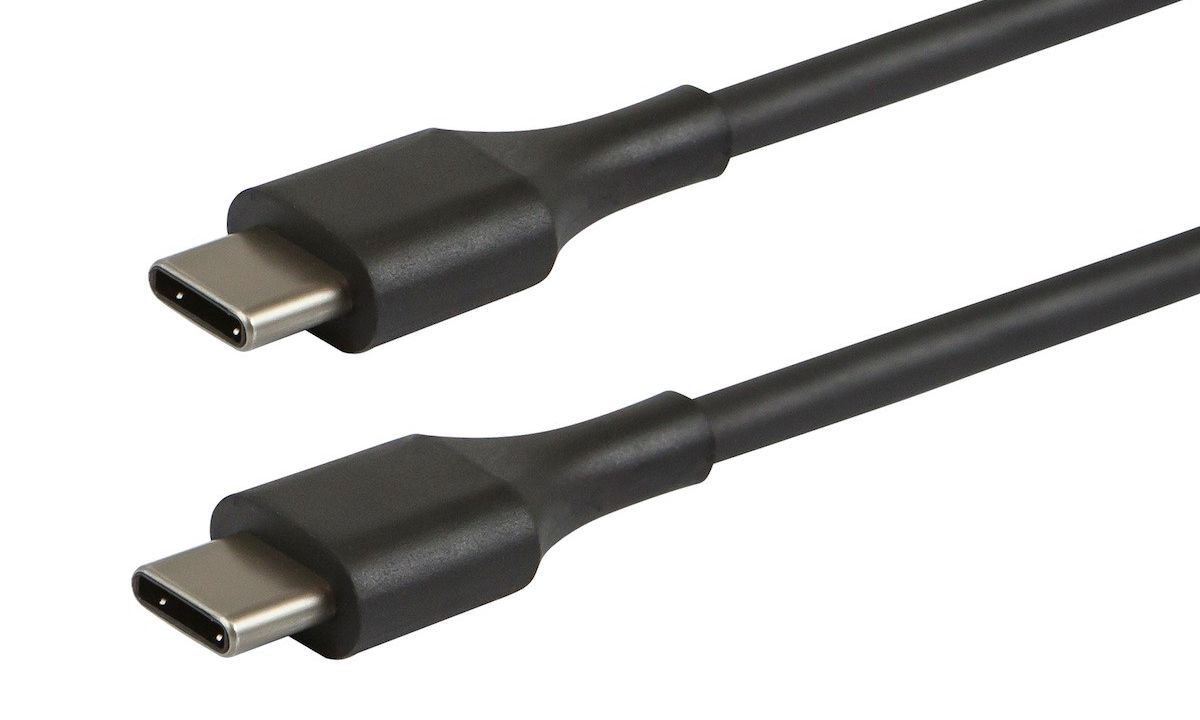
The Unavoidable Presence of Micro USB
Despite regulatory progress, there are still gaps. Certain product categories, like printers or unique gadgets, are not covered by these mandates. For example, the EU directive does not address printers, leaving devices like the HP Sprocket in a regulatory loophole. The personal story of struggling with the Micro USB standard reflects a broader consumer frustration. As recounted, the ongoing need to use outdated cables—even purchasing new ones in 2025—highlights the practical challenges and the slow pace of technological uniformity in personal electronics.