In a week that saw turbulence in both the global economy and the gaming world, one notable development is how President Donald Trump’s tariffs are now playing a significant role in shaping the price of the highly anticipated Nintendo Switch 2. What was expected to be a milestone release in the gaming industry has become the latest example of how international trade policies are affecting everything from luxury electronics to consumer behavior.
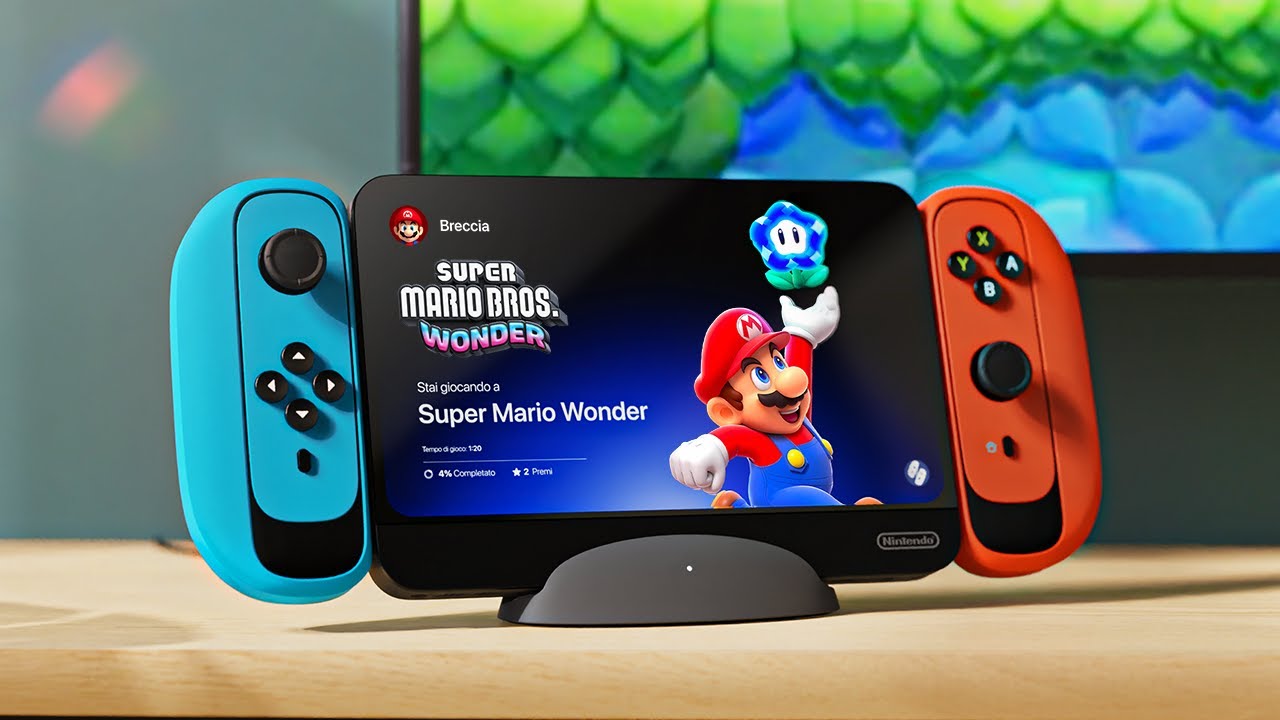
The Switch 2 Delay: What Happened?
Nintendo had big plans for its next-generation gaming console, the Switch 2, with a proposed release date of June 5, 2025. The console was expected to retail at $450, or $500 for a bundle including the latest Mario Kart game. Preorders were slated to begin in early May, with loyal customers of the first-generation Switch being the first to grab the device. However, by Friday of that week, those plans came to a screeching halt. Nintendo issued a statement, announcing that the preorder date would be delayed and the pricing was under review due to the potential impact of the new tariffs and evolving market conditions. As the company explained, this delay was necessary to assess how the increased tariffs could affect the cost of production and, by extension, the final price for consumers.The Impact of Trump’s Tariffs on Nintendo’s Pricing
The price hike of the Switch 2 could be a direct result of Trump’s tariffs, which have sent shockwaves through the global supply chain. Shihoko Goto, a senior fellow at the Mansfield Foundation, highlighted the connection: “It’s a pricing issue that is a direct response to the tariffs. This is just one example of one product from one company being hit by tariffs, and we’re going to see price increases all across the board.†Nintendo’s initial pricing for the Switch 2 already had some gamers questioning its affordability. Now, with the looming possibility of higher prices due to tariffs, the backlash has grown louder. Some consumers even joked about crossing the border to Canada to buy the console at a lower price, reflecting the frustrations building among US gamers. But beyond gaming, these tariffs are a much larger issue. Consumers are now bracing for price hikes on everything from video game consoles to basic necessities, as tariffs are expected to increase the cost of imported goods.Why Nintendo Might Raise Prices
Nintendo’s decision to move some production out of China and into Vietnam in 2019 was initially seen as a smart move to sidestep the tariffs that were then targeting Chinese imports. Vietnam, a growing hub for electronics production, became a key supplier for many global companies. However, as of 2025, the US has introduced a new round of tariffs that target Vietnam and other countries with large trade surpluses. As a result, products that were once manufactured in China are now facing new, hefty tariffs.
How Tariffs Lead to Higher Consumer Prices
With the rise of these new tariffs, companies like Nintendo will inevitably pass on the cost to the consumer. While some may have anticipated a price increase due to inflation or rising manufacturing costs, the tariffs add an entirely new dimension to the equation. “There’s going to be a lot of belt tightening on optional consumer goods, especially on consumer electronics,†Goto added. As a result, Nintendo and other companies in the electronics industry could be forced to raise the prices of their products, even if the increased costs are primarily due to external political pressures. This could make the already-expensive Switch 2 even more out of reach for many consumers.The Myth of Onshoring: Why It’s Not the Solution
One of Trump’s long-term goals was to bring manufacturing back to the United States, hoping that companies would return and create jobs on American soil. However, experts argue that onshoring is unlikely to be a viable solution, especially in industries like consumer electronics.