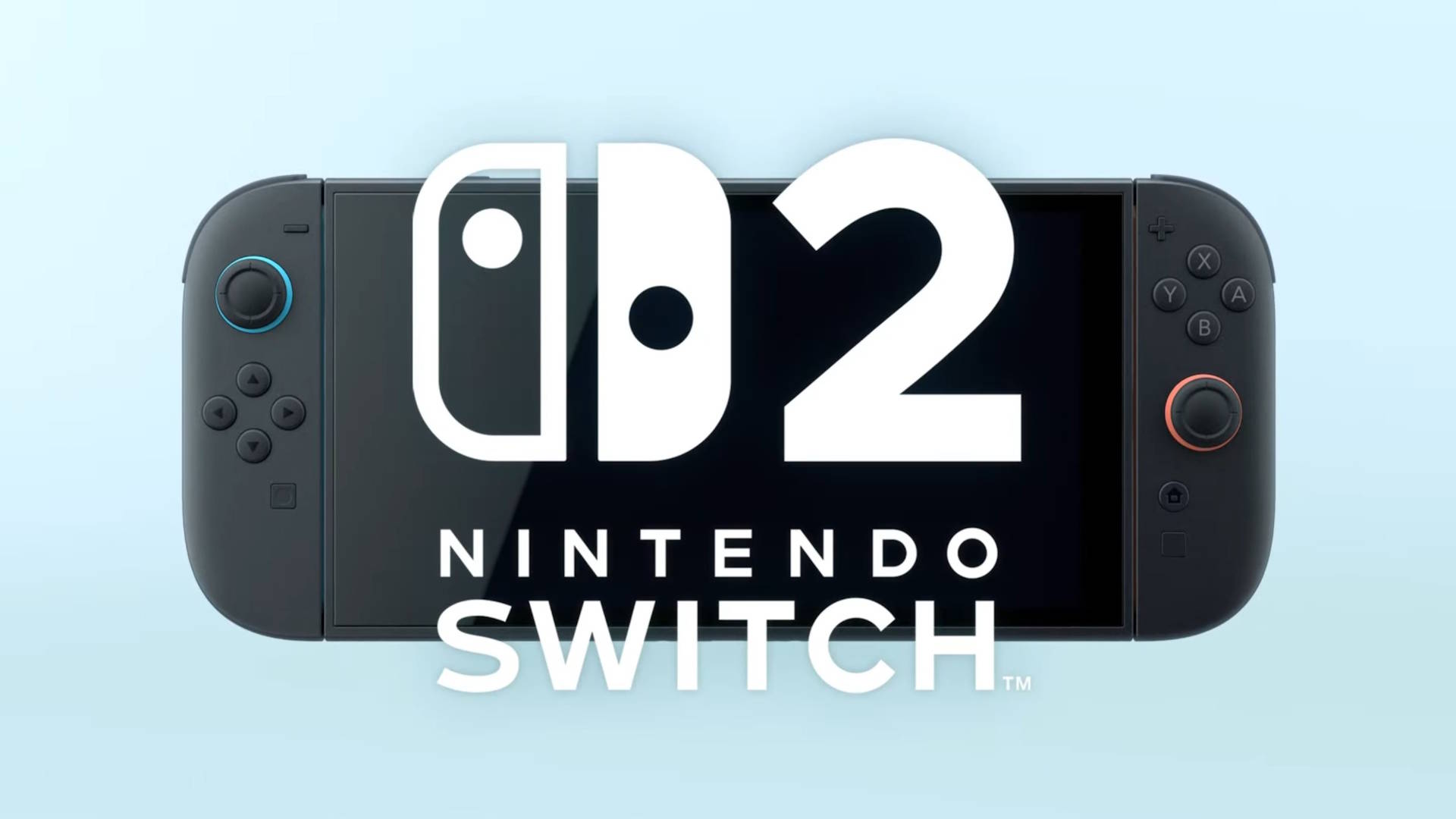
Nintendo's recent price reveals for the Nintendo Switch 2 and its blockbuster title Mario Kart World have sent shockwaves through the gaming community. With the cost of the console, games, and accessories hitting some unexpected heights, many are wondering: why is Nintendo charging so much, and what factors are driving these price increases?
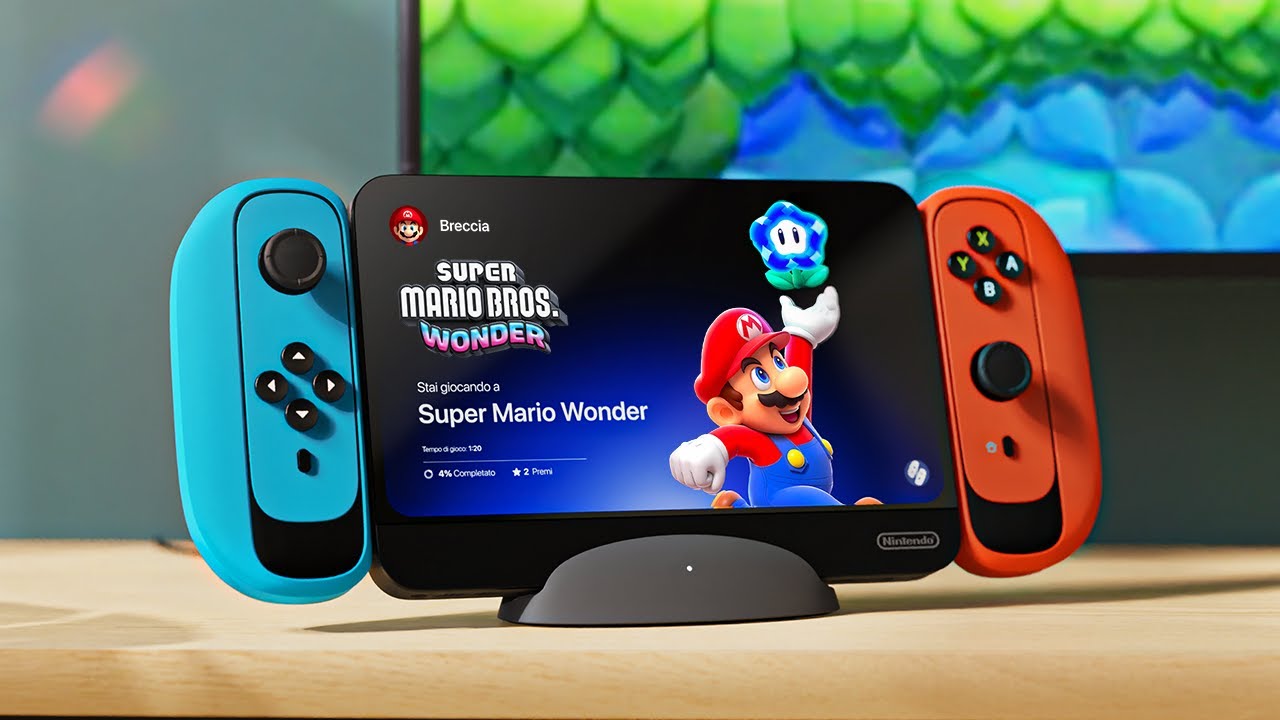
The Price Breakdown: What Are You Paying For?
When you look at the price tags for the upcoming Nintendo Switch 2, it’s hard to ignore the sticker shock. Here’s a quick breakdown of some of the pricing details that have raised eyebrows:- Nintendo Switch 2 (Base Model): $449.99 USD
- Nintendo Switch 2 with Mario Kart World Bundle: $499.99
- Mario Kart World (Standalone): $79.99
- Donkey Kong Bananza: $69.99
- Nintendo Switch 2 Pro Controller: $79.99
- Joy-Con 2 Controller Pair: $89.99
- Nintendo Switch 2 Dock Set: $109.99
The Nintendo Switch 2 Price: What’s Behind the $450 Tag?
At $450, the Nintendo Switch 2’s base price sits at the high end of what most analysts had expected. Back in January, many predicted a price of around $400, with some speculating it could go higher depending on various economic factors. Turns out, those predictions were pretty close — but Nintendo’s decision to go with the $449.99 price point raises a few interesting points. Joost van Dreunen, NYU Stern professor and author of SuperJoost Playlist, called the $450 price a “strategic balancing act.†He explained that this pricing reflects not only the rising costs of manufacturing but also potential uncertainties around U.S. tariffs on electronics. In essence, Nintendo seems to be building in a safety net for future trade barriers while still maintaining a healthy margin on hardware.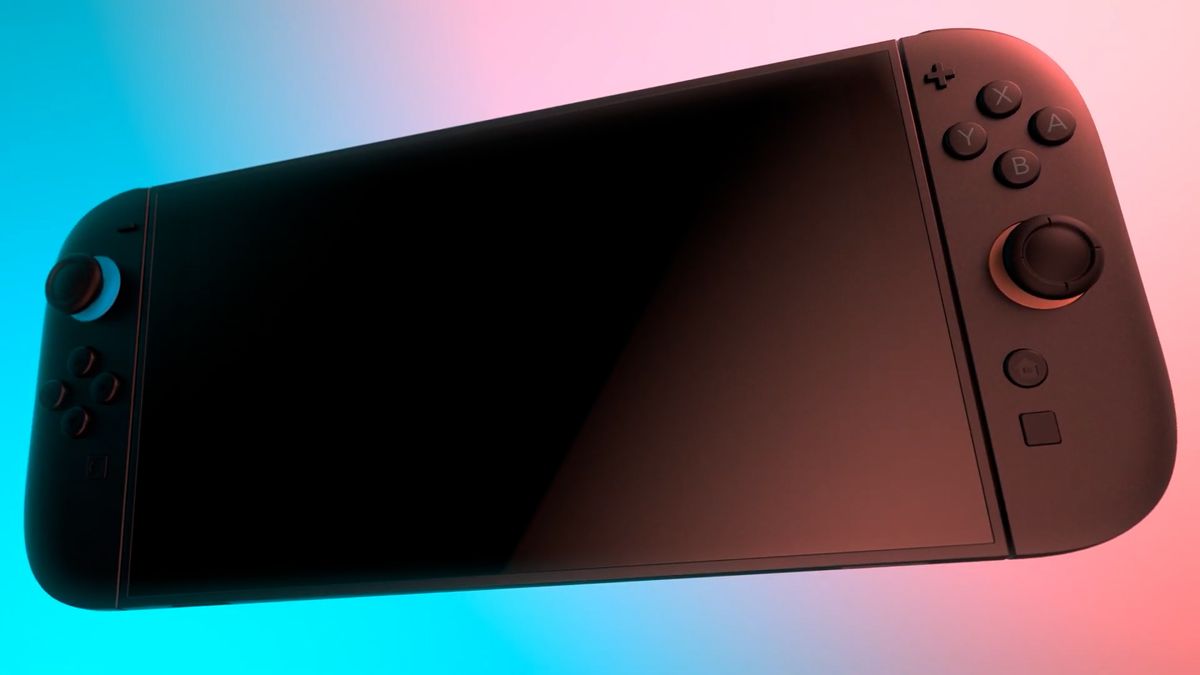
Global Pricing Strategy: The Switch 2 in Japan vs. the U.S.
But here’s where things get even more interesting: the pricing differences between the Japanese and U.S. versions of the Nintendo Switch 2. In Japan, the Switch 2 will launch in two variations: one priced at 49,980 yen ($333.22) and another multi-language model set at 69,980 yen ($466.56). Why the discrepancy? James McWhirter, an analyst at Omdia, explains that Nintendo is trying to protect its position in Japan, a crucial market for the brand, by offering a cheaper, Japanese-language-only model. If they aligned the yen price with the U.S. dollar price, it would dramatically weaken Nintendo’s competitiveness in its home market. At the same time, Nintendo’s strategy prevents consumers from importing cheaper versions from abroad, a tactic known as grey importing.Mario Kart World at $80: The Price of Premium Gaming
Perhaps the most shocking price of all is the standalone cost of Mario Kart World at $80. This makes it the most expensive AAA game ever released without being part of a deluxe edition, and certainly the priciest game Nintendo has ever sold. While the game is available in a bundle with the console for $499.99 (a $30 discount), many fans are raising eyebrows at the hefty price tag. Mat Piscatella, an analyst at Circana, explained that the higher price might be Nintendo’s way of future-proofing. While it’s easier to lower a product's price later, raising it post-release is much harder. Mario Kart World might be Nintendo’s test to gauge what the market will tolerate as game prices continue to rise.Why Test the Waters with Mario Kart?
According to McWhirter, Nintendo is using Mario Kart World as a way to explore how much the market is willing to pay for a flagship game. "If anyone can succeed at this price, it's Mario Kart," he said. If the price doesn’t work, Nintendo can always adjust later, possibly through methods like Nintendo Switch Online or other digital strategies. Joost van Dreunen agrees, suggesting that the price increase aligns with the broader industry trend of higher prices for premium content. As more game publishers push toward $70 games, Nintendo might be leapfrogging that step and experimenting with an $80 base price for Mario Kart World to see if the fanbase will accept it.The Bigger Picture: Are We in for More Price Hikes?
With Mario Kart World pushing the envelope on game pricing, one of the bigger questions is whether this marks the beginning of a new pricing era for Nintendo and the gaming industry as a whole. Rhys Elliott, a games analyst at Alinea Analytics, noted that the discrepancy between physical and digital game prices might push more consumers toward digital-only versions. This would help Nintendo regain some of the revenue lost in the resale and rental markets, which are far more lucrative for physical game retailers than for the console maker itself.