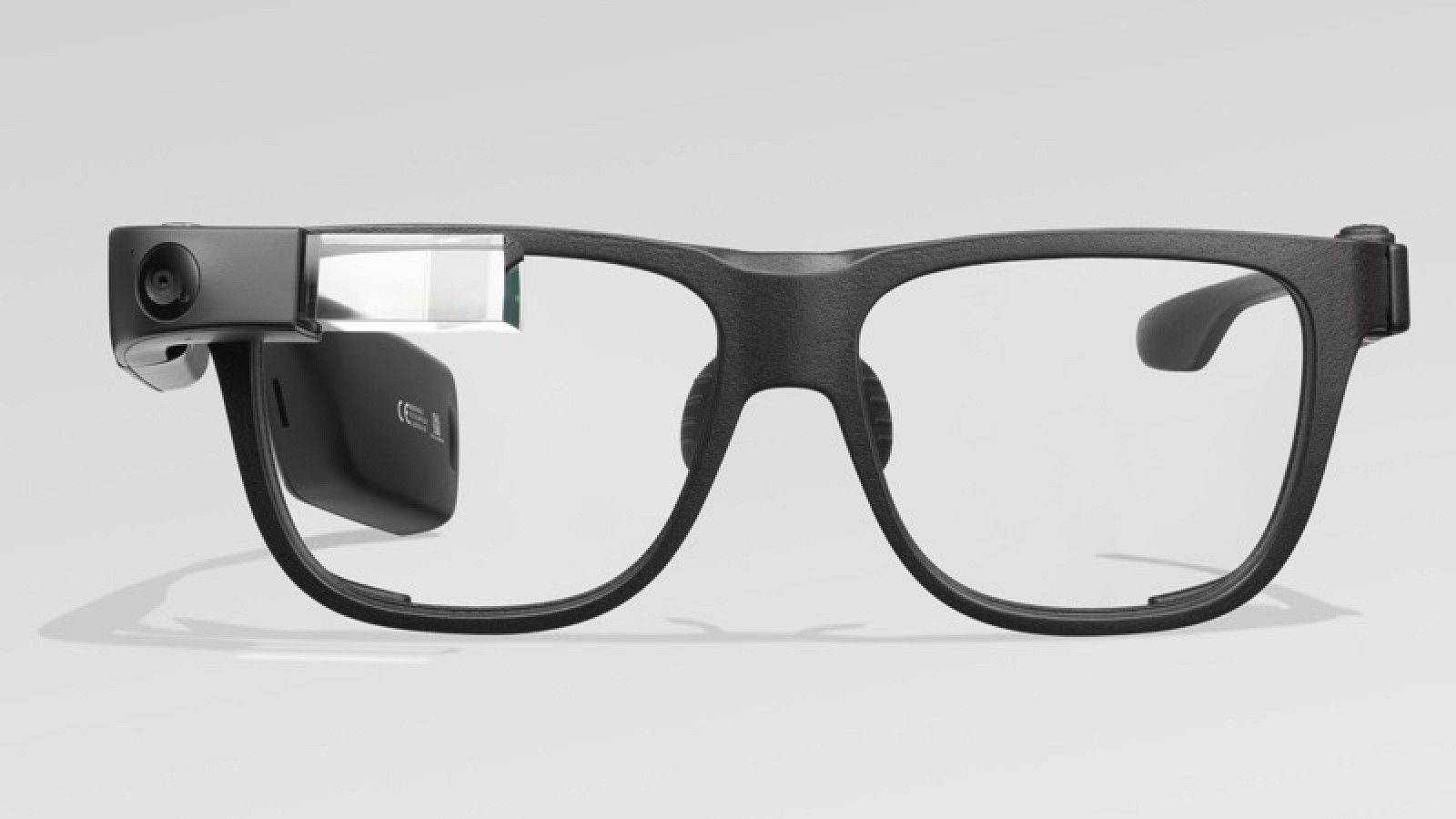
During the recent TED2025 conference, Google showcased its groundbreaking advancements in augmented reality (AR) and virtual reality (VR) technologies. Shahram Izadi, representing Google, took the stage sporting prototype AR glasses, igniting excitement among tech enthusiasts and industry insiders alike. This reveal not only marks Google's foray into AR and VR but also signals a significant leap towards integrating digital and real-world experiences.
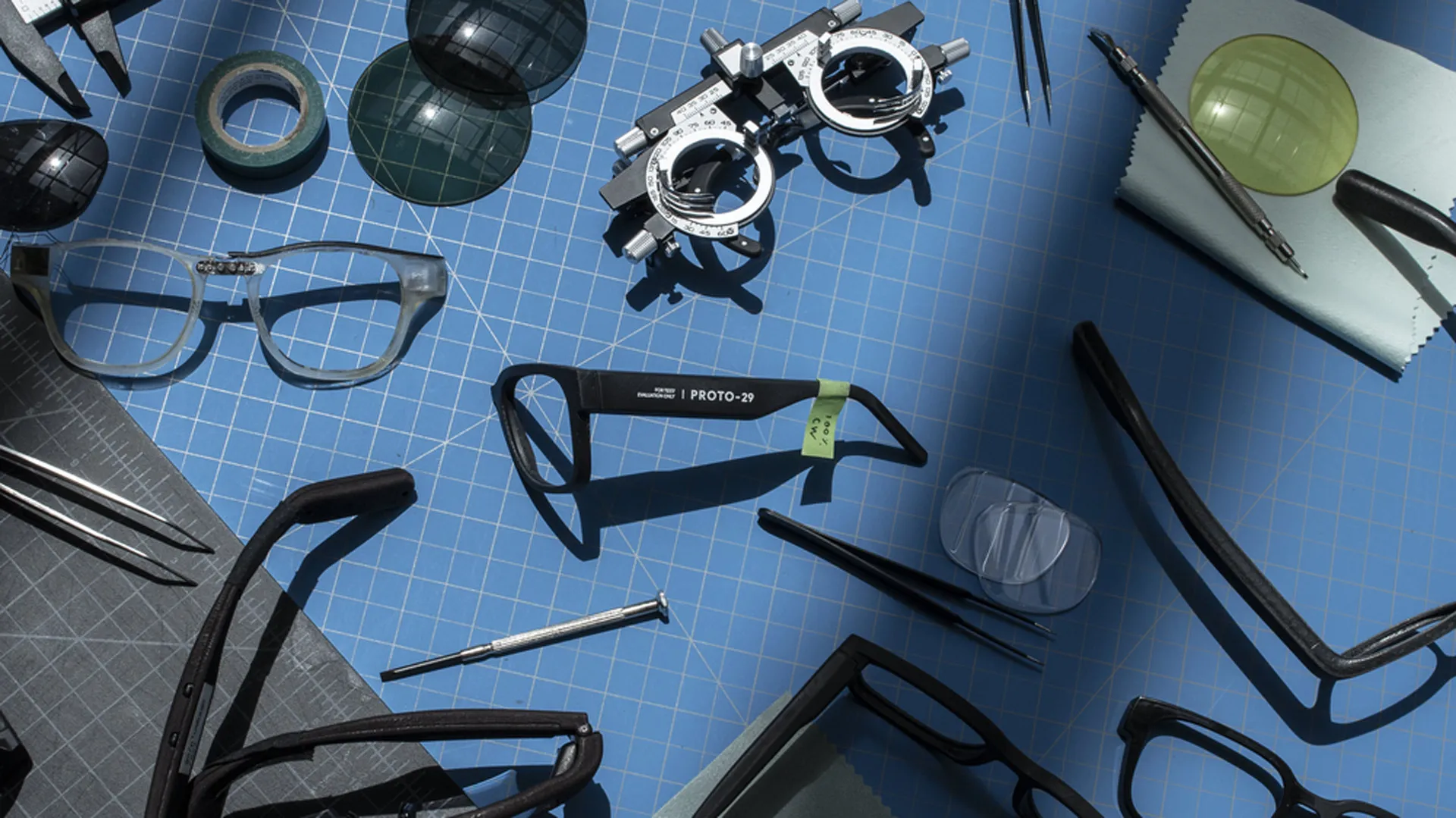
Revolutionizing Real-World Interactions with AR Glasses
Google's prototype AR glasses, developed under the codename 'Project Gemini', are designed to merge the digital with the physical seamlessly. Equipped with a miniature display and integrated with Google's AI assistant, these glasses are poised to transform everyday tasks. During the presentation, Izadi demonstrated the glasses' capabilities, including live translation from Farsi to English, and the ability to scan texts and interact with various apps through seamless phone connectivity. "These glasses work with your phone, streaming back and forth, allowing the glasses to be very lightweight and access all of your phone apps," Izadi explained, highlighting the device's practicality and ease of use.Venturing Beyond Reality: The VR Headset Collaboration
In addition to the AR glasses, Google introduced a mixed reality headset, developed in partnership with Samsung, reminiscent of Apple's Vision Pro. The headset, named Project Moohan, features advanced pass-through video technology, allowing users to merge the real and digital worlds effectively. During its demonstration, attendees experienced an immersive view of Cape Town, South Africa, and were treated to a 360-degree snowboarding video, showcasing the device's potential for both entertainment and educational purposes.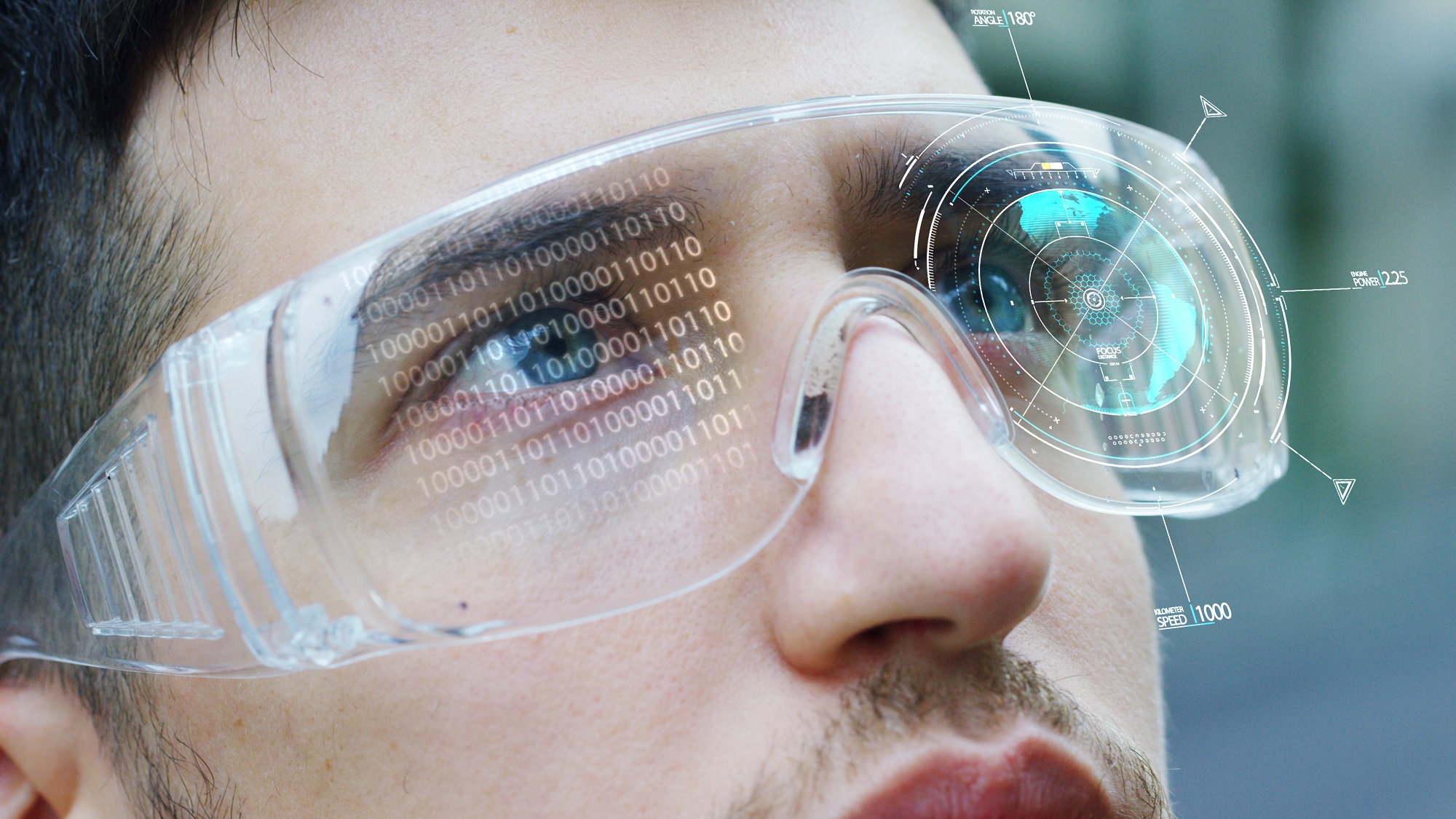
What's Next for Google's AR and VR Technologies?
As the technology matures, the next steps involve optimizing battery performance and making these innovative devices more accessible to the public. With competitors like Meta and Apple also venturing into similar territories, the race is on to set new standards in AR and VR technologies.