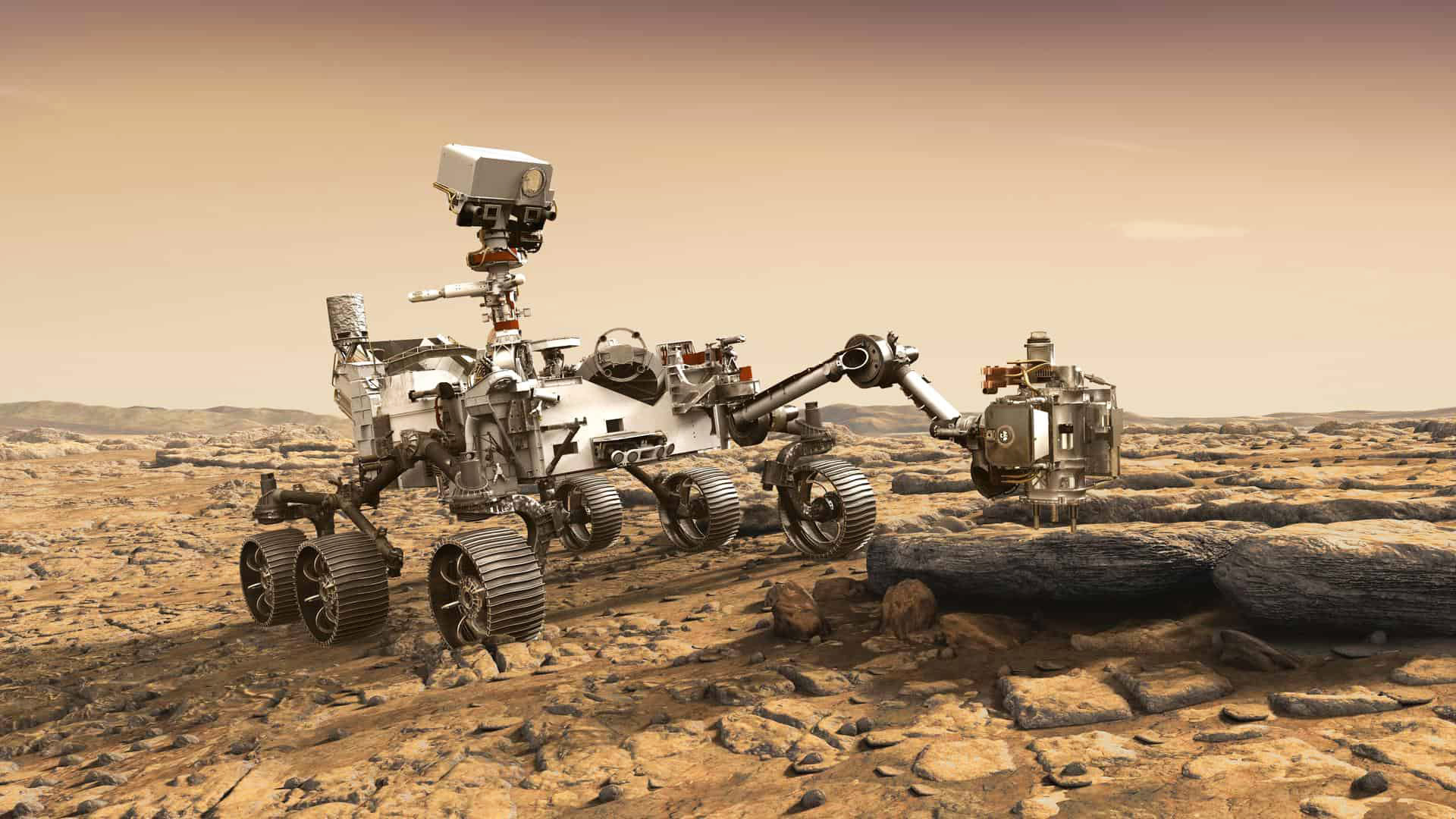
NASA's Curiosity Rover has made a monumental find on the Red Planet that could reshape our understanding of Mars' ancient environment. Hidden beneath the Martian surface for billions of years, a significant mineral discovery points to a past that might have supported liquid water—a crucial ingredient for life as we know it.
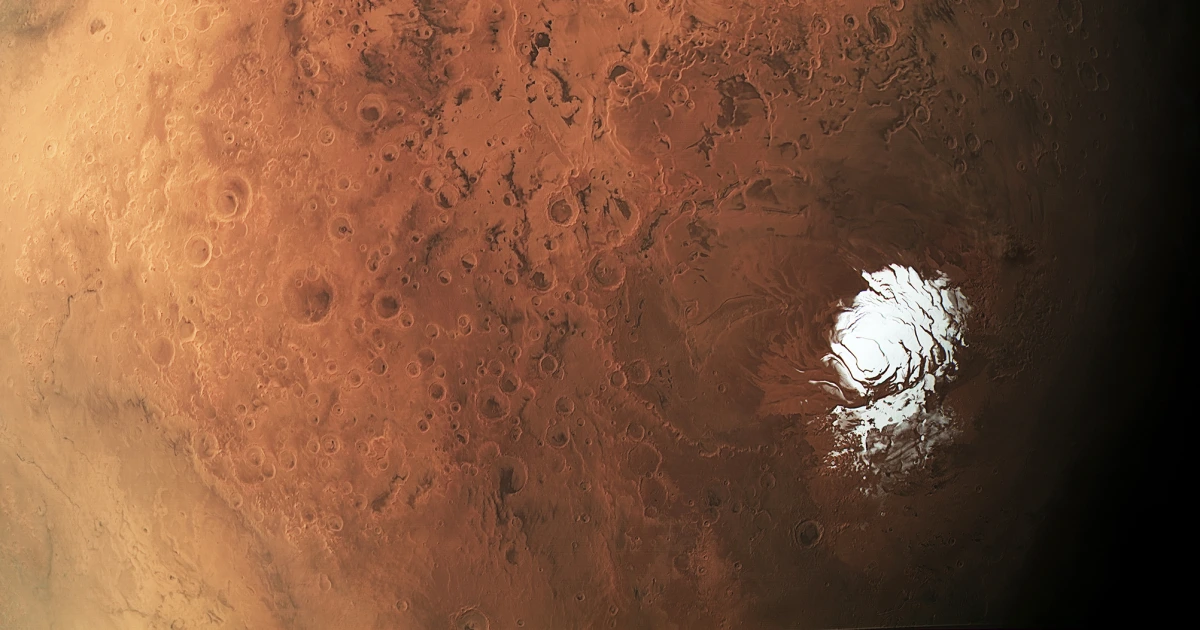
The Siderite Revelation at Gale Crater
A Geological Puzzle Solved
For years, scientists have speculated about the fate of Mars' ancient carbon-rich atmosphere, which was thought to have supported bodies of liquid water. The theory suggested that Mars' CO2 atmosphere should have reacted with its rocky surface to form carbonates, yet these minerals remained conspicuously absent from surface observations—until now. Curiosity's recent drilling activities in the sulfate-rich layers of Gale Crater's Mount Sharp have revealed the presence of siderite, an iron carbonate mineral. This discovery provides the missing piece of the puzzle, suggesting that significant amounts of carbon may be trapped beneath Mars' surface or even lost to space.Insights from Deep Within
"Drilling through the layered Martian surface is like going through a history book," explains Thomas Bristow, a research scientist at NASA Ames and coauthor of the study. Just a few centimeters below the surface, Curiosity has unearthed clues about the mineral formations from around 3.5 billion years ago, offering a window into the planet's geological and atmospheric evolution. The find not only challenges our previous understanding based on satellite data but also enhances our knowledge of Mars' climatic past.
Implications of the Discovery
Rethinking Mars' Climate History
The identification of siderite within these ancient rock layers is crucial. It indicates that carbonates may be masked by other minerals in satellite analyses and that the Martian atmosphere might once have had enough CO2 to maintain warmer conditions favorable for liquid water. This revelation supports theories that ancient Mars was more hospitable than the cold, barren landscape we see today.Future Mars Exploration
This discovery has significant implications for future missions. Understanding the distribution of carbonate minerals like siderite could help scientists pinpoint regions where ancient life might have existed, guiding the selection of sites for future rovers and possibly human exploration.