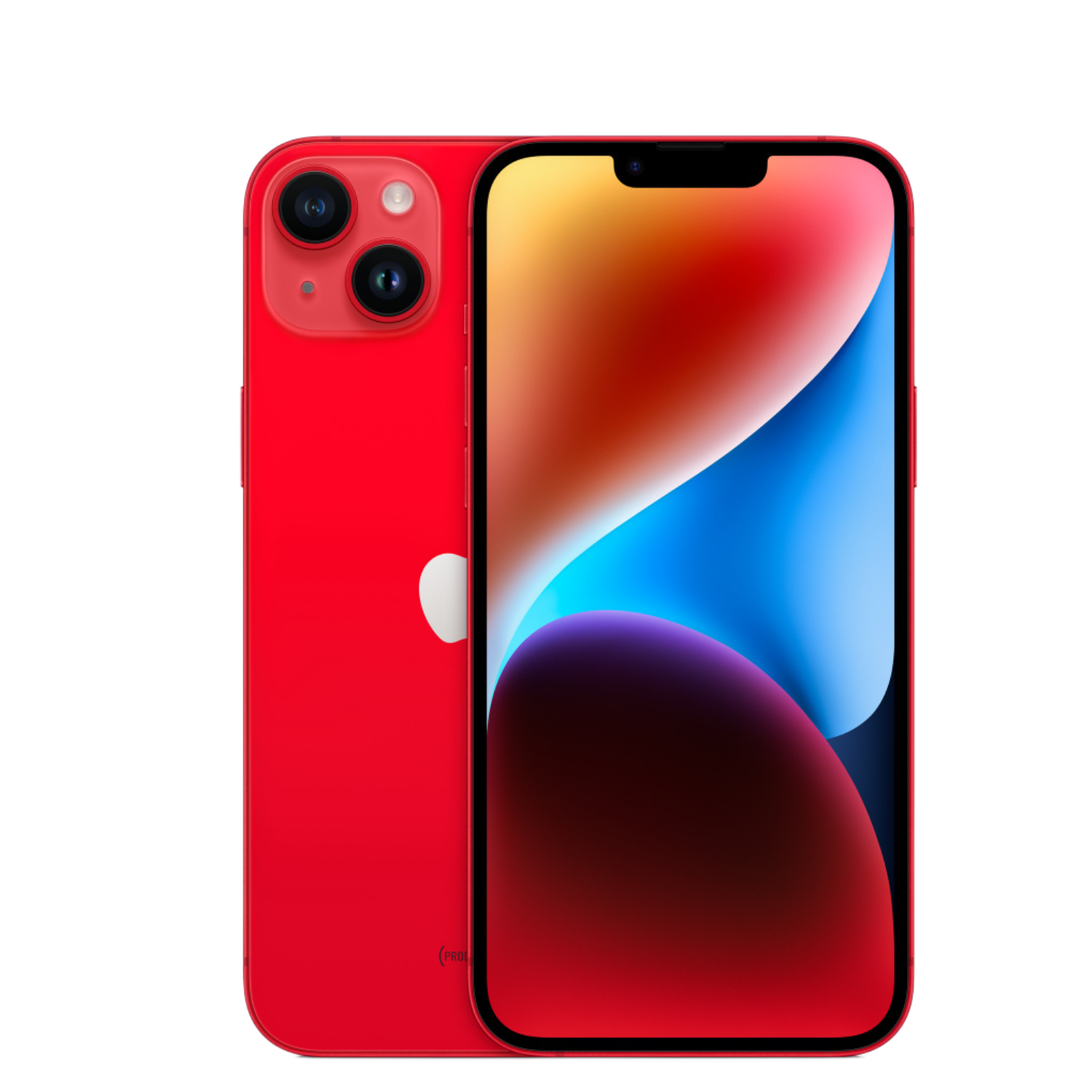
In a significant move that impacts millions of users worldwide, Apple has ceased the sale of the iPhone 14, iPhone 14 Plus, and the iPhone SE 3rd generation in 29 countries, including parts of the United Kingdom. This decision aligns with a new EU directive aimed at reducing electronic waste by standardizing charging ports across electronic devices.
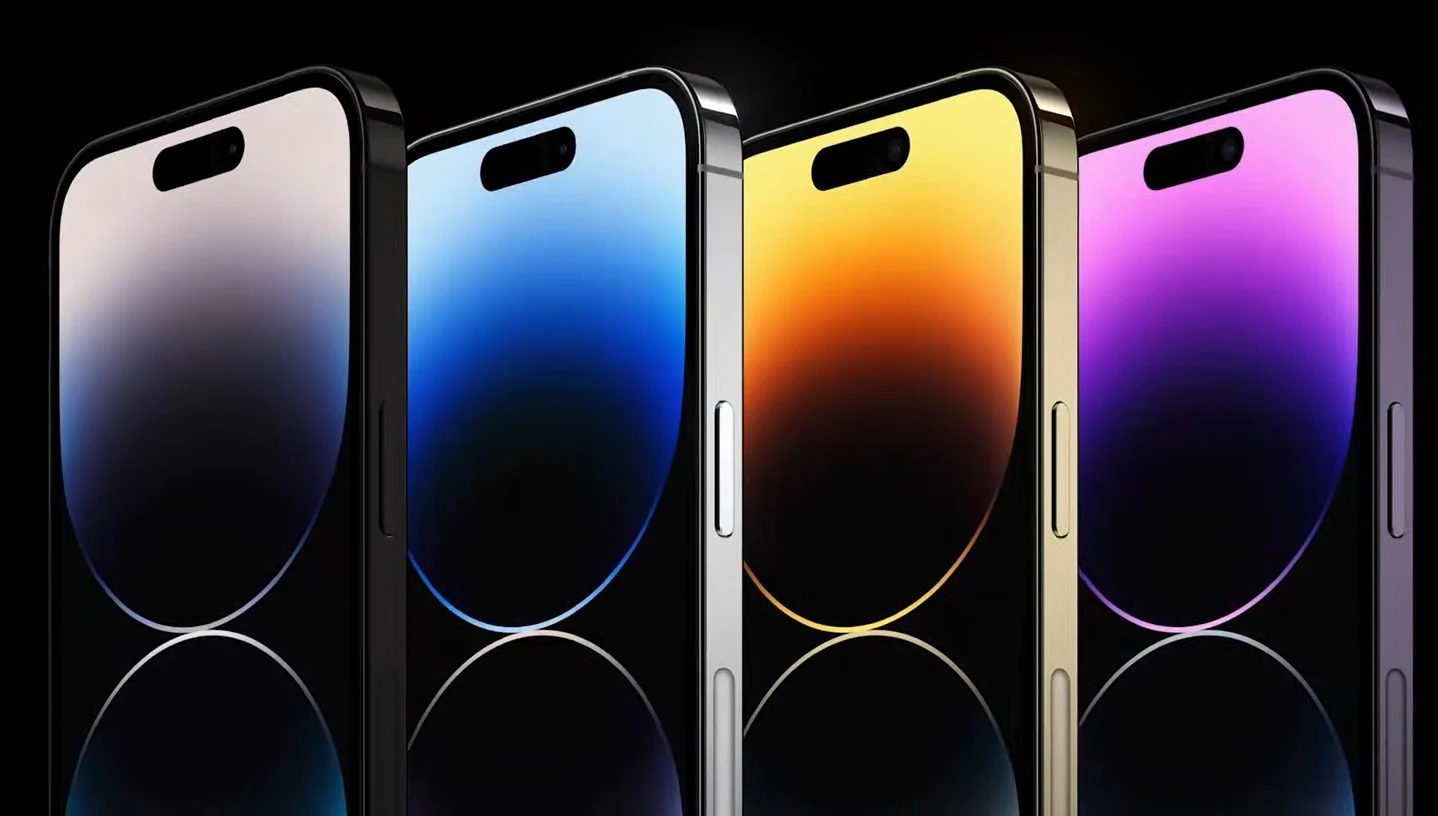
The Shift to USB-C: Compliance with EU Regulations
The European Union's directive, effective from December 28, 2024, mandates a uniform charging solution for mobile phones, tablets, and other electronic devices, specifying the use of USB-C ports. This legislation is part of a broader effort to reduce electronic waste and increase consumer convenience by harmonizing the charging infrastructure across the EU. Apple, known for its proprietary Lightning connector, initially resisted this move, citing concerns over innovation constraints. Despite this, the tech giant has transitioned to USB-C for its new models starting with the iPhone 15, and similar changes have been observed across other Apple products such as iPads, AirPods, and accessories like the Magic Mouse and Magic Keyboard.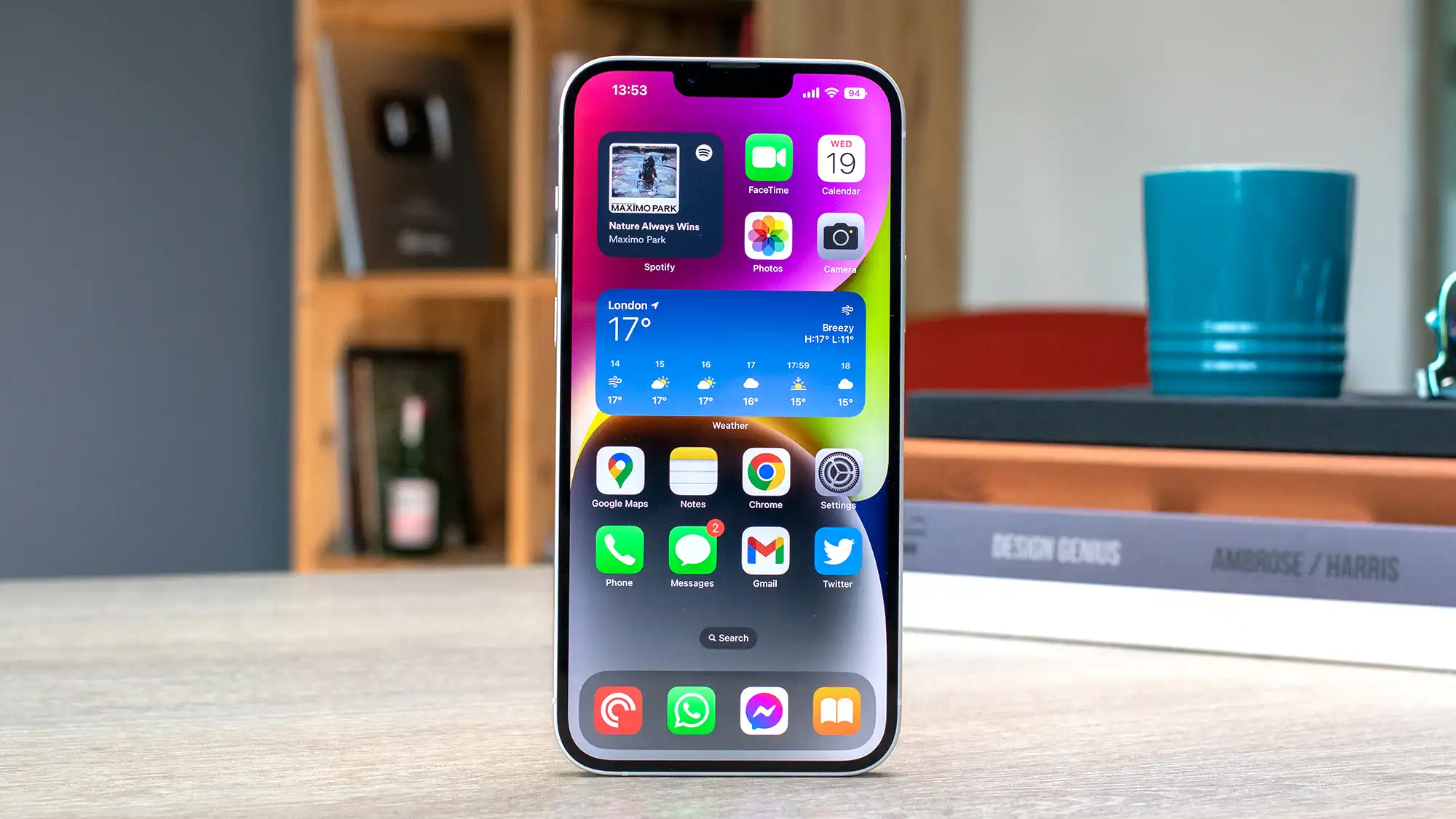
Immediate Impact and Availability
The discontinuation became effective on December 27, just one day before the directive was enforced, removing the aforementioned iPhone models from Apple's websites across all 27 EU member states. Now, the available models include the iPhone 15 series and the newer iPhone 16 lineup.For those in the EU who may have missed purchasing these models directly from Apple, there is still a glimmer of hope. Third-party resellers still have the authority to sell any remaining stock. For instance, the iPhone 14 can still be found on platforms like Amazon Spain.Broader Implications and Global Watch
The regulation not only affects EU countries but also extends to non-EU members like Switzerland, which often aligns with EU standards. Interestingly, due to unique trade agreements post-Brexit, Northern Ireland is also impacted, prohibiting sales of the affected iPhone models, whereas no official Apple Store exists in the Republic of Ireland, adding a layer of complexity and irony to the situation.