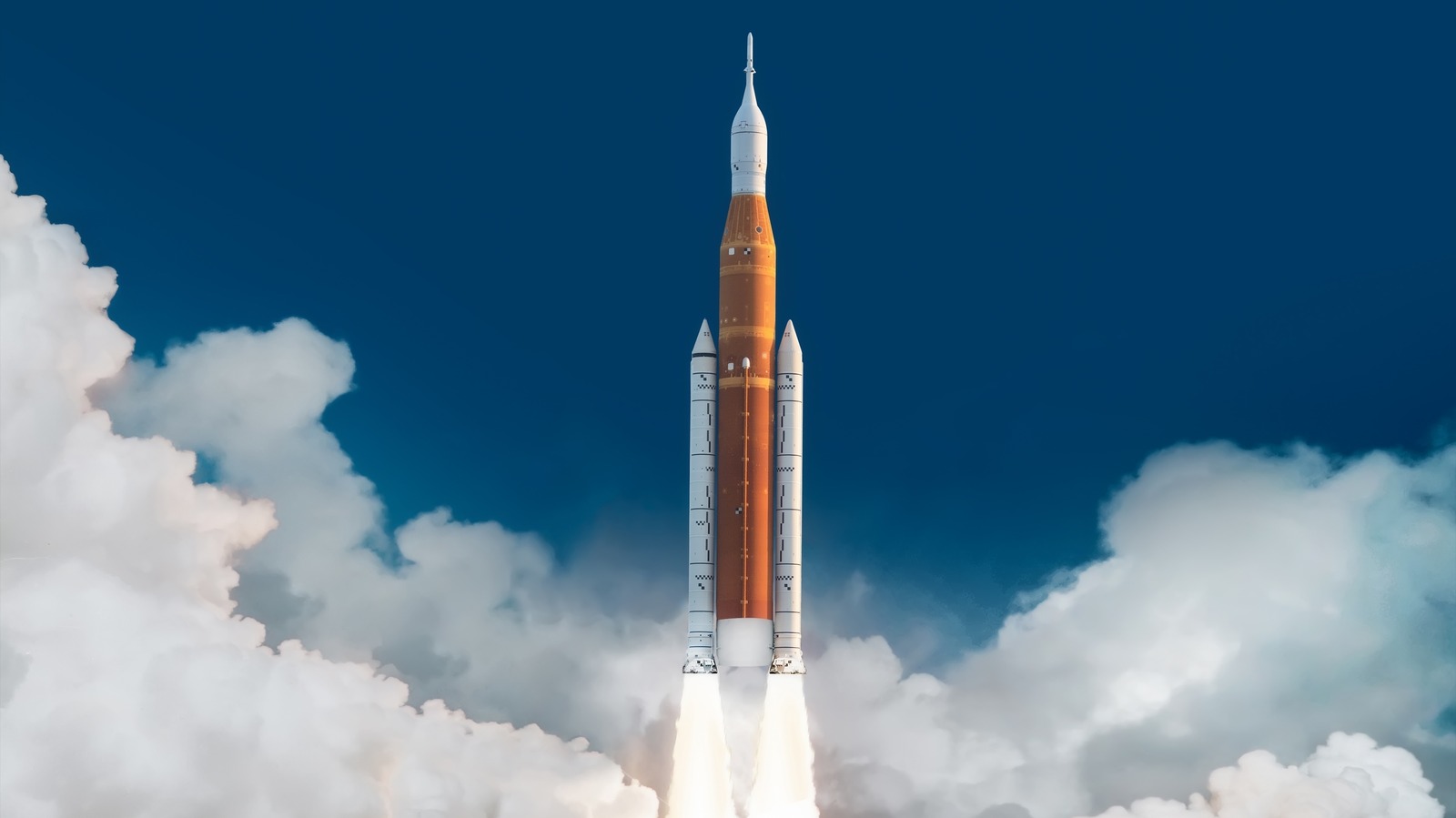
In a significant development that could reshape U.S. space exploration, Boeing, the primary contractor for NASA’s Space Launch System (SLS), has begun bracing for the potential discontinuation of the program. Amid ongoing discussions at the highest levels of government, the aerospace giant is taking steps to prepare its workforce for uncertain times ahead.
A Tense Announcement with Major Implications
David Dutcher, Boeing's vice president and SLS program manager, delivered the unsettling news to around 800 employees in a swiftly organized, six-minute meeting that allowed no room for questions. The tone was described by attendees as "cold and scripted," a reflection of the serious implications that lay ahead. Dutcher revealed that Boeing’s contracts for the SLS could conclude as early as March, with the company potentially facing significant layoffs if these contracts are not renewed.Compliance and Caution Amidst Transition
Boeing's announcement aligns with the requirements of the Worker Adjustment and Retraining Notification (WARN) Act, which mandates a 60-day notice for potential mass layoffs. The company has indicated that around 400 positions could be cut by April 2025, contingent on the developments within the Artemis program and the broader budgetary constraints. Boeing is also exploring ways to redeploy affected employees across its other projects to mitigate the impact of potential job losses.
The Bigger Picture: Budget Proposals and Policy Debates
The timing of this announcement is crucial, coinciding with the expected release of President Trump's fiscal year 2026 budget proposal, which may signal the future of the SLS program. While the budget is not final and represents more of a preliminary outline, it will undoubtedly influence congressional action on the matter. There is a robust debate within the White House and among NASA’s senior leadership regarding the SLS and the Artemis Moon program. Critics argue that the SLS, with its hefty $2 billion per-launch cost excluding payloads, is a relic of past priorities that hinders progress due to its non-reusable nature and high expenses. Advocates for commercial spaceflight, like SpaceX and Blue Origin, which offer more cost-effective solutions, are increasingly vocal about redirecting resources.