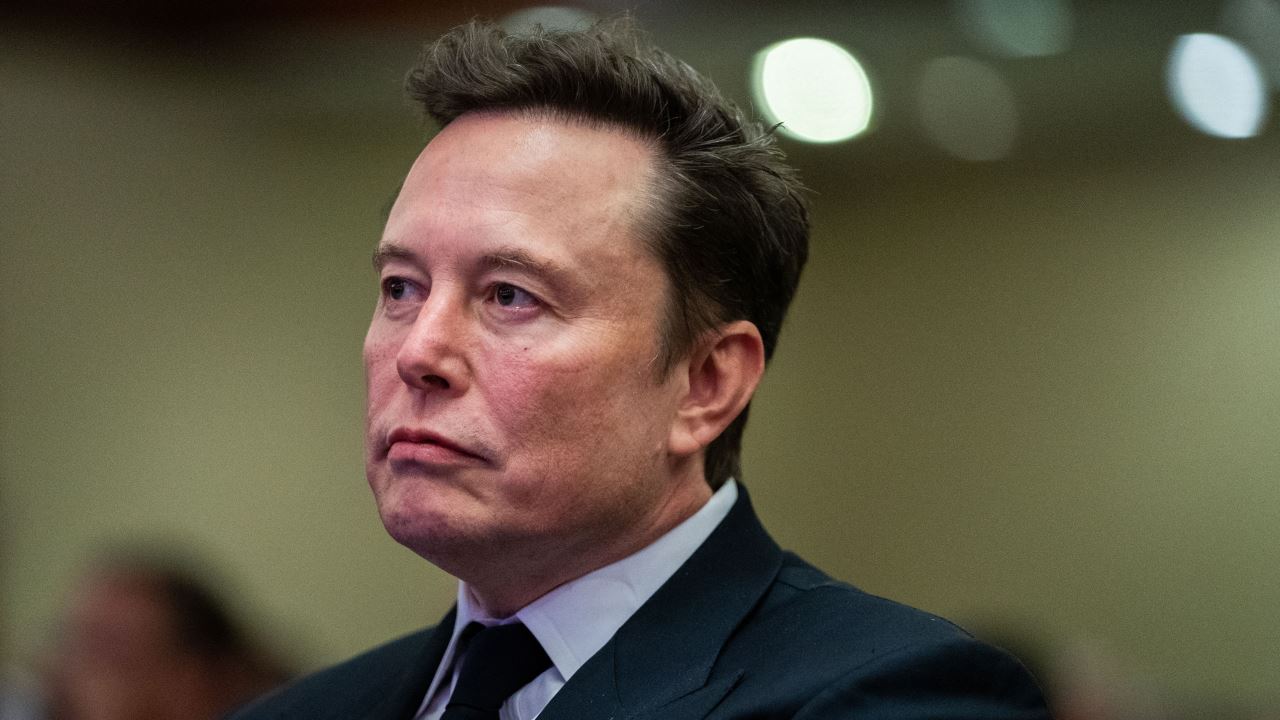
In a striking move that underscores the escalating tensions within the tech industry, Elon Musk has taken legal action against OpenAI, urging a federal court to halt what he terms an "illegal" transformation of the AI research organization into a for-profit entity. This lawsuit marks the latest development in Musk's ongoing critique of OpenAI's partnership strategies and its growing dominance in the artificial intelligence sector.

Musk's Legal Standoff with OpenAI
Elon Musk, the visionary entrepreneur known for spearheading companies like Tesla and SpaceX, filed a fresh complaint in a federal court in Oakland, California. His plea focuses on preventing OpenAI, primarily known for its groundbreaking AI model, ChatGPT, from continuing its rapid expansion and restructuring under a for-profit model. Musk's concerns highlight potential anticompetitive behaviors that could stifle innovation and restrict market competition, threatening not only his AI ventures but also the broader tech ecosystem. In his legal submission, Musk revisits grievances dating back to 2019 when OpenAI, initially founded as a non-profit with his support and collaboration, began accepting substantial investments from Microsoft. Musk argues that these actions betray the organization's original mission and promises made during its founding.OpenAI's Response and Current Status
Reacting to Musk's allegations, a spokesperson for OpenAI dismissed the claims as repetitive and unfounded. The spokesperson emphasized that the accusations had been made previously and were without merit, suggesting a confident stance against the lawsuit's basis.
Antitrust Concerns and Market Dynamics
The core of Musk's legal argument centers on antitrust implications. He asserts that OpenAI's close ties with Microsoft and its strategic maneuvers in the market may contravene federal antitrust laws. His legal team pointedly criticizes OpenAI's current operational model, likening it to a "Frankenstein" entity that opportunistically combines various corporate structures to benefit financially from its association with Microsoft and other stakeholders. As the legal battle unfolds, the tech community and market analysts are closely watching the implications for AI development and the competitive landscape. The outcome could set a significant precedent for how AI companies structure their growth strategies and partnerships within the rapidly evolving tech industry.