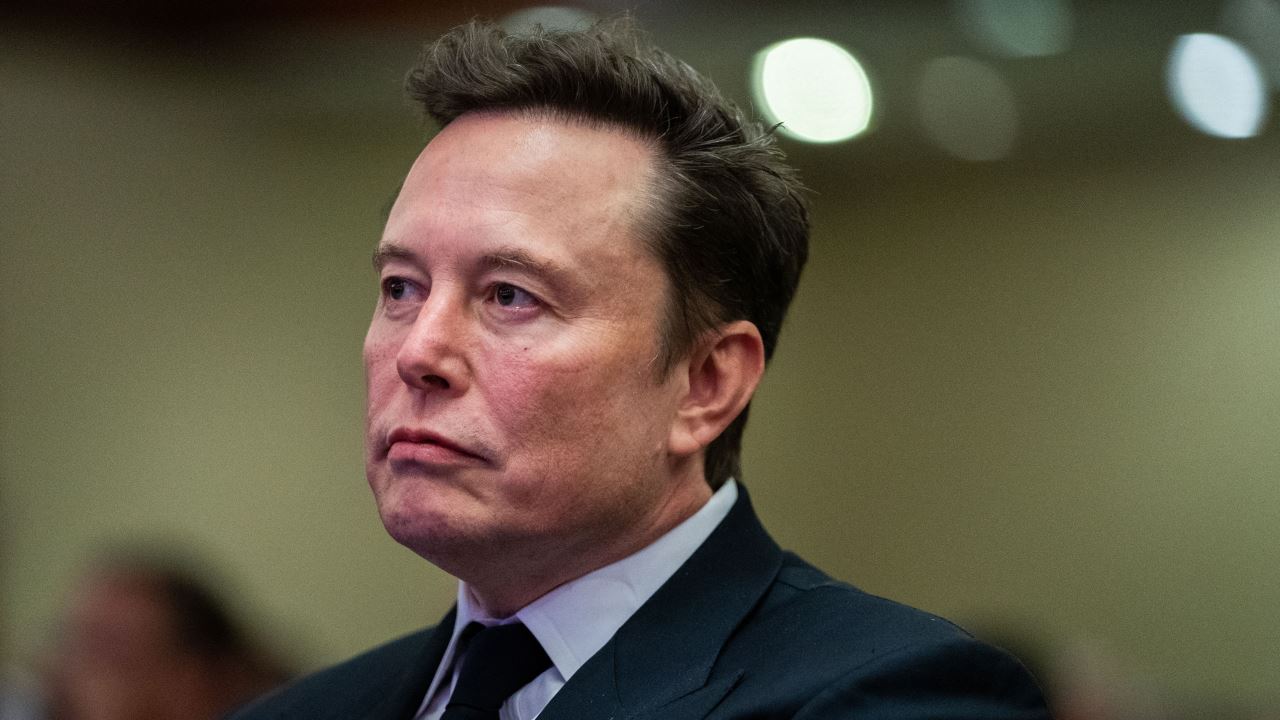
In a startling move that could potentially reshape the landscape of artificial intelligence, Elon Musk has proposed a staggering $97.4 billion bid to reacquire OpenAI, the AI research organization he helped establish. This development emerged from a court filing in the Northern District of California on Wednesday, where Musk's legal representatives announced his conditions: halt the transition to a for-profit entity and maintain the original non-profit mission of OpenAI.
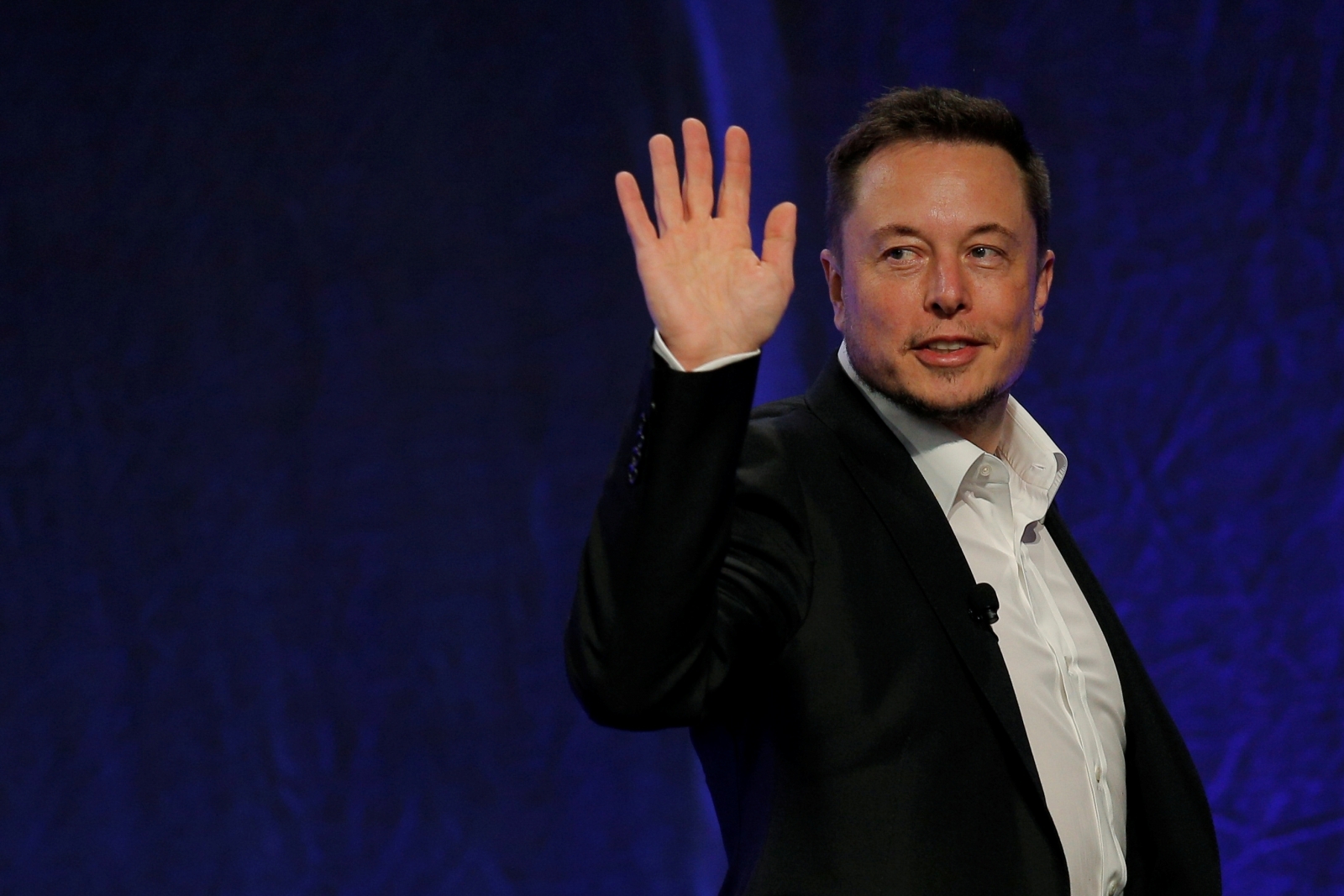
Musk's Terms: Reverting to Nonprofit Roots
Elon Musk, a figure synonymous with technological innovation and high-stakes entrepreneurship, seems determined to steer OpenAI back to its founding principles. The filing detailed Musk's terms, clearly stating that his bid hinges on OpenAI's board's commitment to "preserve the charity’s mission." This condition underscores a pivotal stance against the ongoing transformation of OpenAI into a for-profit organization—a shift from its initial nonprofit framework established in 2015.Legal and Financial Implications
Musk's offer is described in the court documents as "serious," implying readiness to engage in a transaction reflective of the value an independent buyer would propose for OpenAI's assets. The filing notes, "Should the charity’s assets proceed to sale, a Musk-led consortium has submitted a serious offer that would go to the charity in furtherance of its mission." This statement suggests a strategic approach to maintain the altruistic objectives of OpenAI, contrasting sharply with the organization's recent moves towards profit-oriented structures.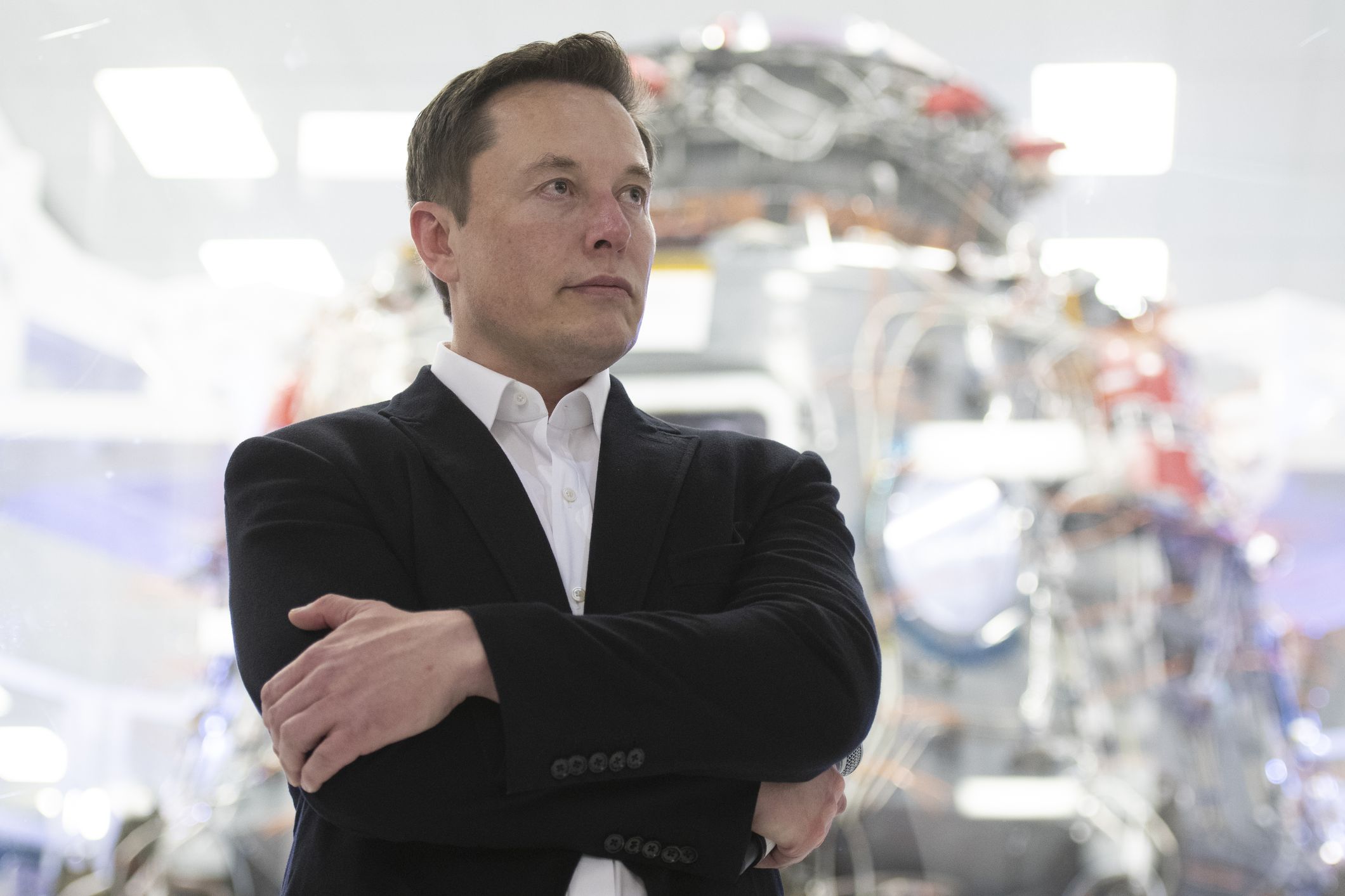
OpenAI's Response and Current Structure
OpenAI’s swift rejection of Musk’s unsolicited bid through a response from their counsel, Andy Nussbaum, emphasized that the nonprofit is "not for sale," dismissing the bid's valuation of the organization. Currently, OpenAI operates under a "capped-profit" model, a hybrid structure allowing profit generation but with earnings limited to align with the broader mission of advancing AI in a safe and beneficial manner.Musk's Ongoing Legal Challenge
The backdrop to this offer is a lawsuit filed last year by Musk against OpenAI and its CEO, Sam Altman. Musk alleges that the company has engaged in anticompetitive behavior and other wrongful acts. This lawsuit, combined with the recent bid, signals Musk's aggressive strategy to influence the future direction of OpenAI amidst its structural transition to a public benefit corporation.