
Google Messages is enhancing user experience by reintroducing the ability to personalize contact names and photos, marking a shift from the previous limitation of adhering strictly to Google profiles. This update, rolled out to improve the app's functionality and user satisfaction, offers a closer look at the details and implications of these changes.
Personalization Returns to Google Messages
In an era where personalization is key to user engagement, Google Messages is taking a step back to what users loved: customizing how they see their contacts. Previously, an update had synchronized contact names and photos with those set by the users themselves through their Google account, limiting personal customization. However, feedback from users has prompted Google to revert this feature, now allowing for individual customization of contact names and photos once again. This change enables users to assign unique identifiers to their contacts directly from the Google Messages app. Whether it's assigning nicknames, funny images, or more professional titles, users have regained control over how they interact with and visualize their contacts on their devices.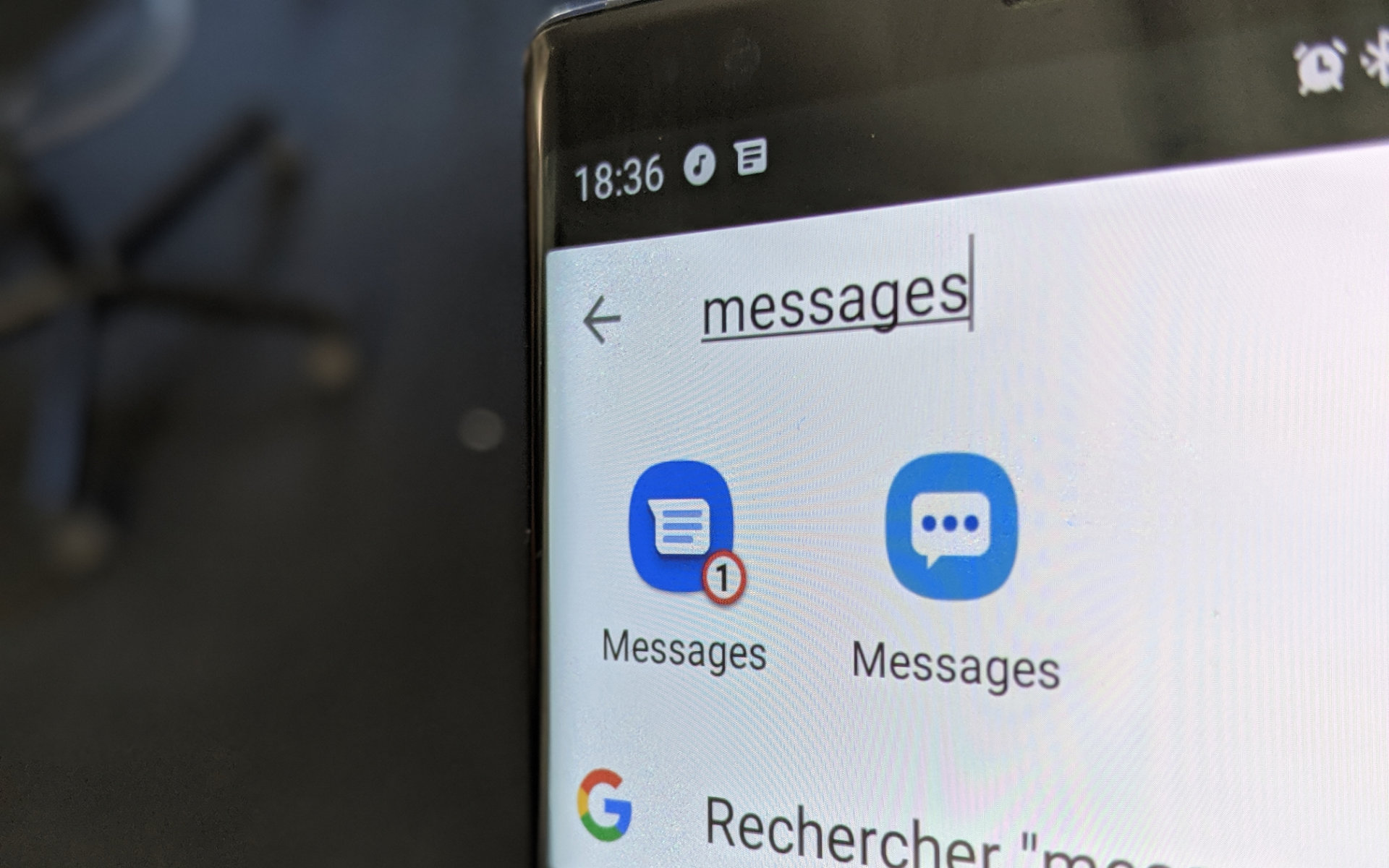
How It Works
The updated "profile sharing" feature functions similarly to Apple's Contact Posters, providing flexibility in how contacts are displayed during text messaging. Android users can now override the default profile image and name set by their contacts to one of their own choosing. This can be done by simply tapping on a contact's name or image within a chat, navigating to the details page, and selecting their photo. Users can then choose to use a shared profile or switch to a custom one.Implications of Enhanced Customization
This move by Google not only enhances user autonomy but also aligns with the broader RCS (Rich Communication Services) initiative that Google has been pushing to modernize Android messaging and make it competitive with other messaging platforms. By allowing users to customize contact details, Google Messages aims to offer a more personalized and engaging messaging experience.