
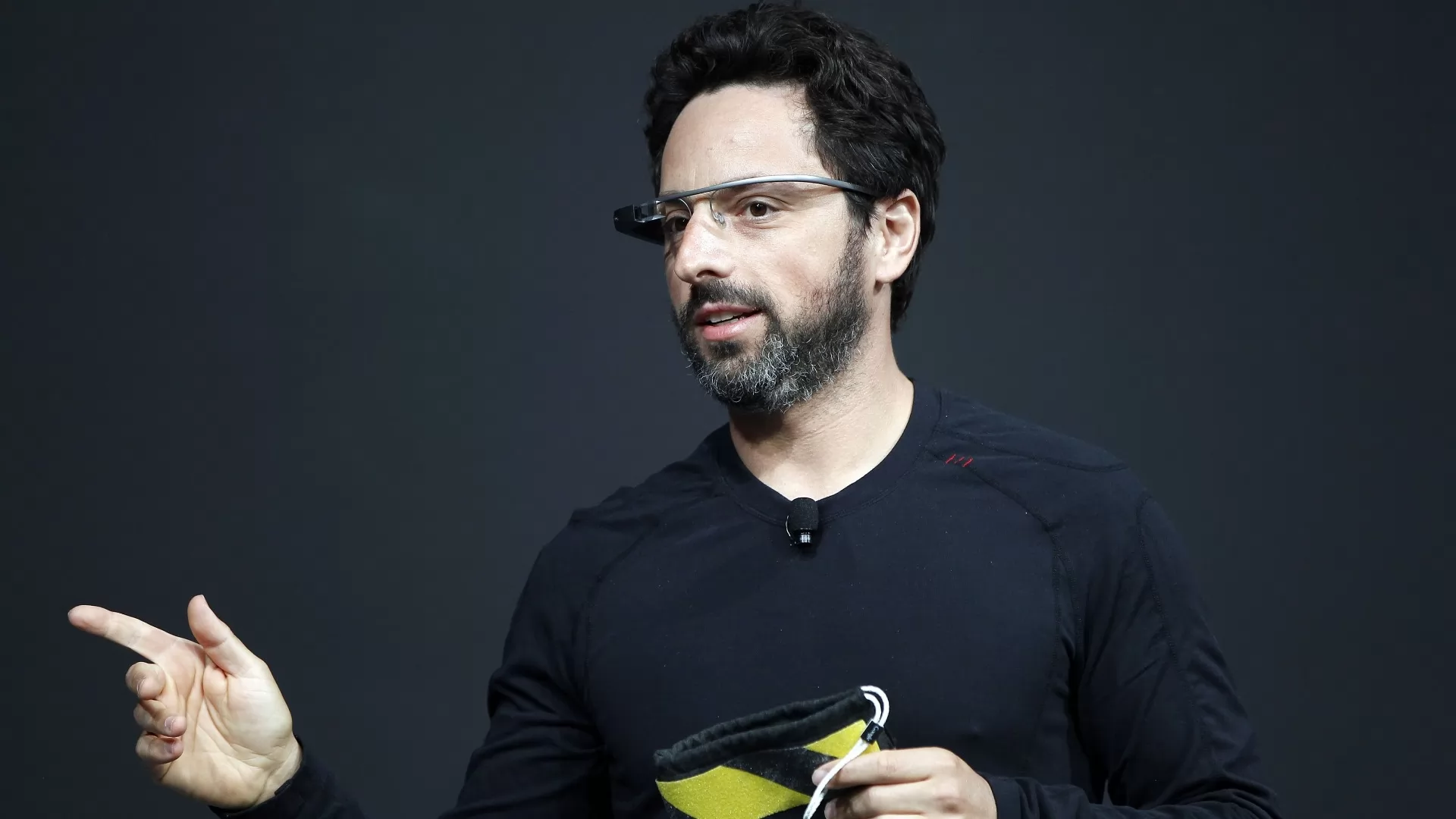
Google's commitment to leading the artificial intelligence frontier has taken a new turn with co-founder Sergey Brin's latest internal memo, a bold call to intensify efforts by mandating more frequent office attendance for its employees. As the tech world watches, this move underscores the mounting pressure on major AI players to achieve significant advancements, specifically in the realm of artificial general intelligence (AGI).
Reasserting Leadership in AI Innovation
In the wake of the AI surge triggered by the introduction of ChatGPT in 2022, Google has been vocal about reclaiming its position as a pioneer in the AI industry. Sergey Brin's recent statements provide a clear glimpse into the strategic measures Google believes necessary to accelerate their progress towards AGI—a stage of AI development where machines could potentially match or surpass human intelligence. During a time when Silicon Valley is abuzz with AI developments, Brin's memo, viewed by The New York Times, explicitly urges Google employees involved in the Gemini project—an array of AI models and applications—to commit to being in the office "at least every weekday." He reasons that a 60-hour work week may be the "sweet spot of productivity," pushing for a more rigorous work ethic that could catalyze a breakthrough in general AI.
Balancing Innovation with Workplace Dynamics
While Brin's recommendation intensifies the workplace commitment, it notably does not alter Google's official policy, which currently mandates a three-day office presence. This directive from one of Google's most influential figures could spark discussions on work-life balance and the sustainability of high-demand work environments in tech, especially in roles steering the future of AI. Despite the raised eyebrows that such suggestions might cause, the intent behind them is clear—Brin believes that a more concentrated and collaborative effort at Google's physical workspaces could be crucial in achieving the kind of innovative leaps needed to lead in AGI.The Road Ahead for Google and AI
As Google navigates the complex landscape of cutting-edge technology and its workforce's needs, the tech giant continues to shape the dialogue around the future of work and innovation. The response to Brin's call-to-action will likely influence not only Google's internal policies but also how other companies in Silicon Valley and beyond approach the interplay between employee presence and productivity.