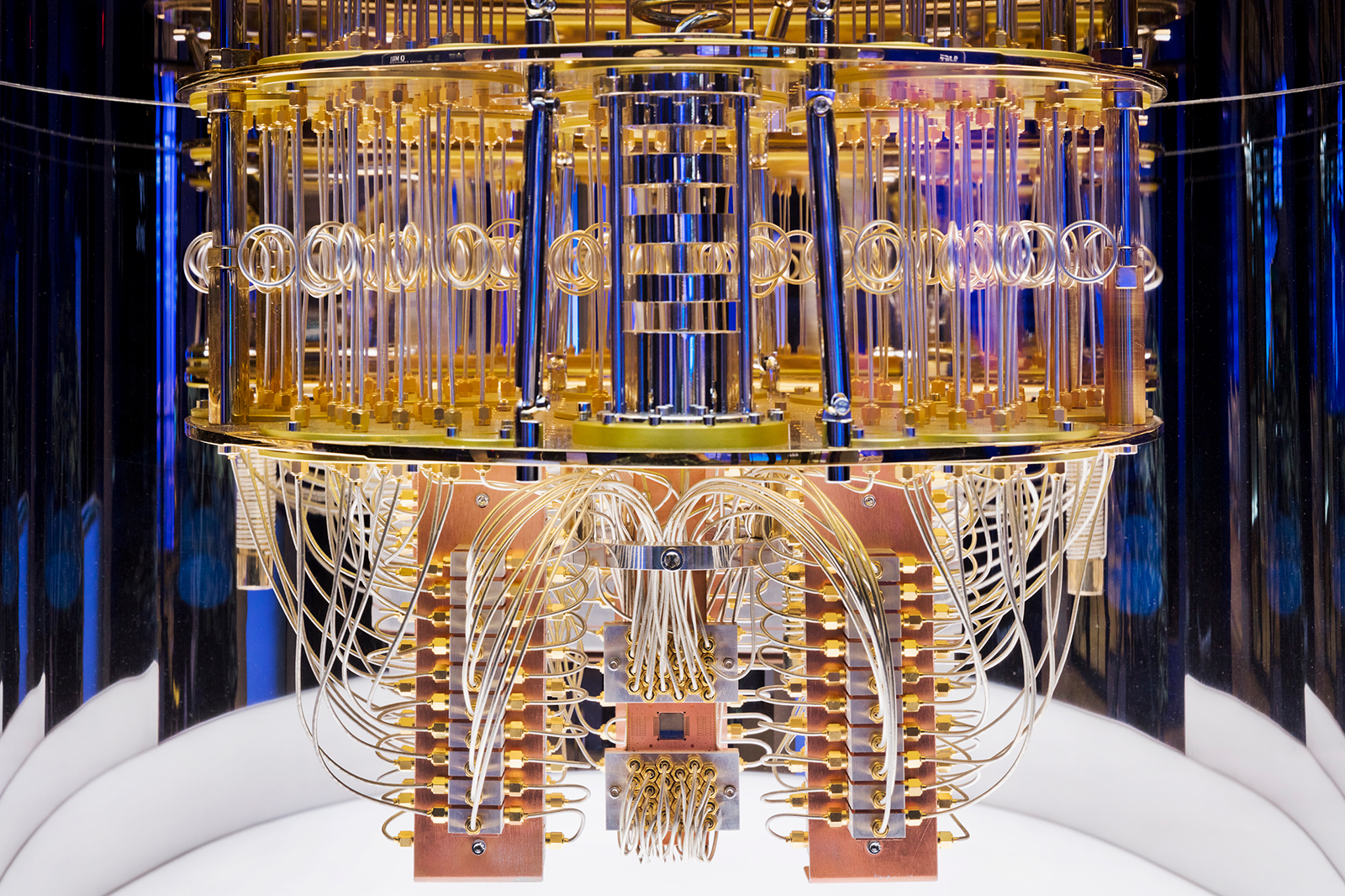
In a stunning revelation that seems straight out of a science fiction novel, Google has introduced its latest quantum computing chip, Willow, claiming not just unprecedented computational speeds but also providing a tantalizing hint at the existence of parallel universes. Here's an in-depth look at these groundbreaking claims and what they could mean for the future of computing and our understanding of the cosmos.
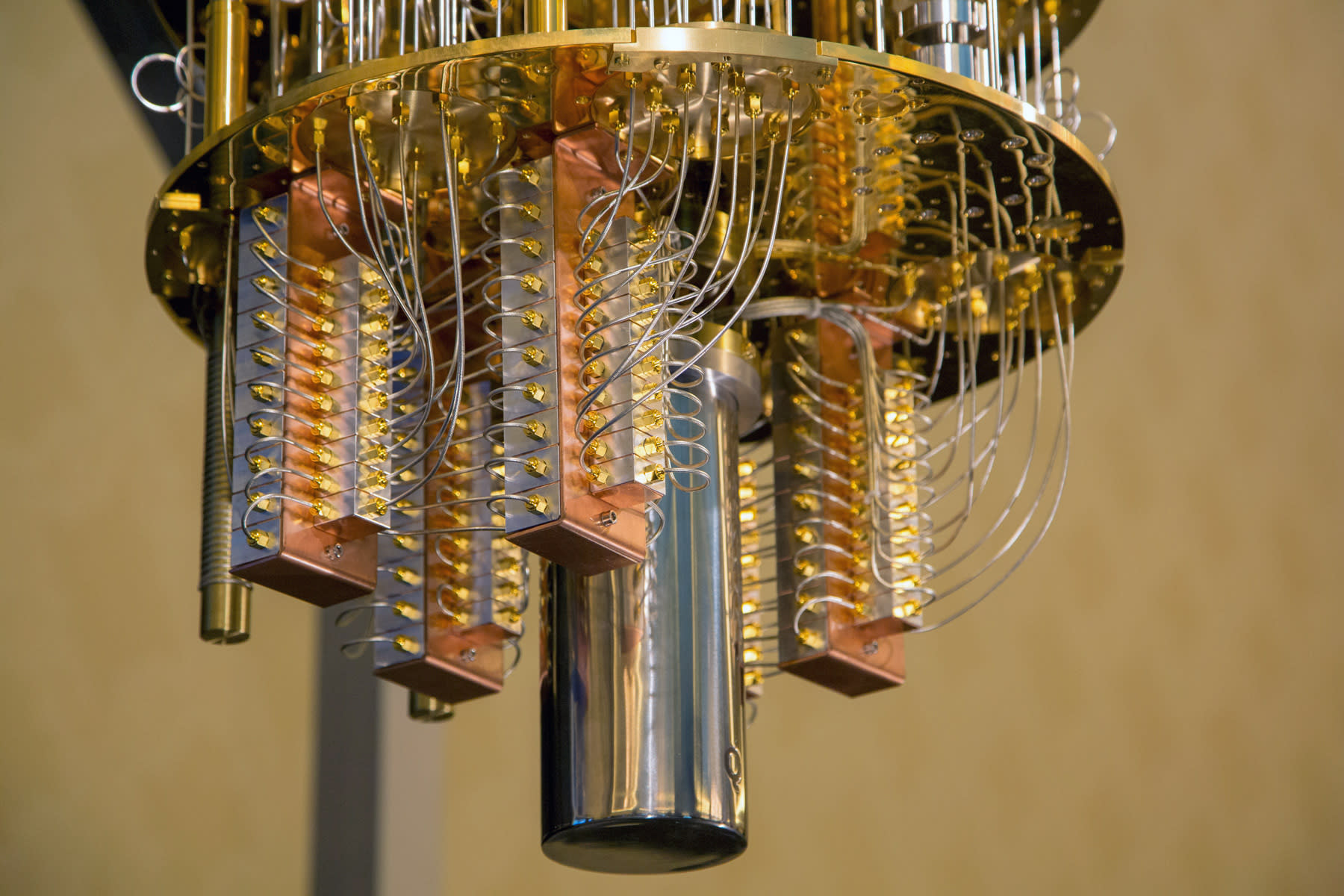
Willow's Quantum Performance: A New Era or Just Hype?
The centerpiece of Google's announcement is the extraordinary performance of the Willow chip. Described by Hartmut Neven, founder of Google Quantum AI, in a blog post, Willow executed a computation in less than five minutes—a task that, by current estimates, would take one of today’s top-tier supercomputers about 10 septillion years to complete. That's 10,000,000,000,000,000,000,000,000 years, to be exact. This astounding figure not only stretches the bounds of our understanding of physics but, according to Neven, it "lends credence to the notion that quantum computation occurs in many parallel universes." This bold assertion is based on theories of multiverse first posited by physicist David Deutsch, suggesting that our universe is just one of many. Neven’s interpretation has sparked a blend of skepticism and intrigue within the scientific community and beyond. Critics argue that Google's benchmarks, self-devised to measure quantum performance, are hardly proof of a multiverse. However, some proponents believe the chip’s capabilities could indeed point to such extraordinary possibilities.The Science Behind Willow
Unlike traditional computers, which process information in bits as either 0s or 1s, quantum computers like Willow use qubits. These can exist simultaneously in multiple states (both 0 and 1), thanks to a phenomenon known as quantum entanglement. This enables quantum computers to perform complex calculations at speeds unattainable by their classical counterparts.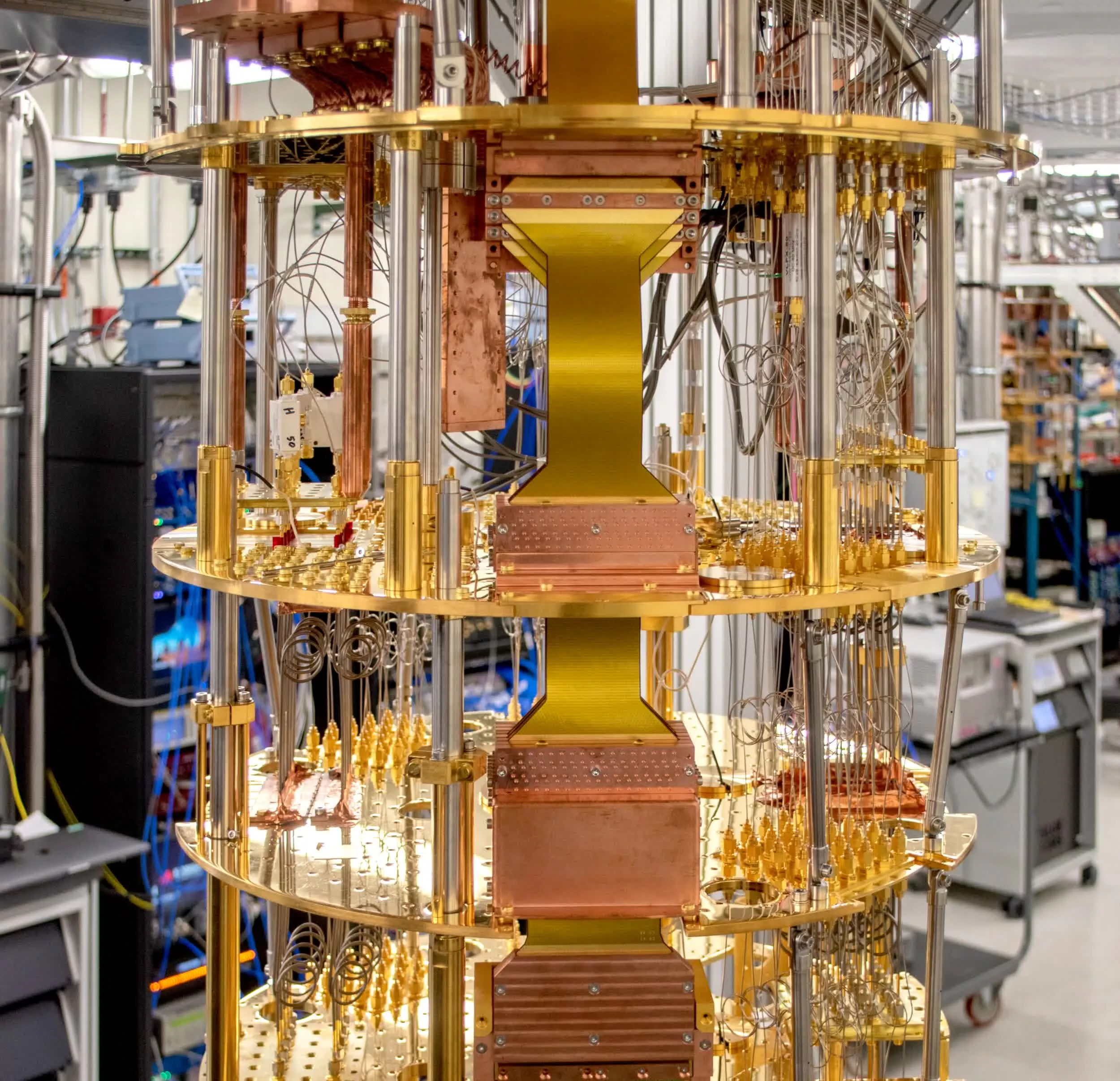
Implications and the Skeptical Perspective
The conversation surrounding Willow’s capabilities isn't just about technological advancement; it's also a philosophical probe into the nature of reality. If Neven's interpretations hold any weight, they could revolutionize not only how we solve complex problems but also how we understand the universe and its many potential layers. However, skeptics caution against quickly jumping to cosmic conclusions based on quantum performance alone. They emphasize that while the technology is promising, proving the existence of a multiverse through quantum computing benchmarks is a leap that requires more than just computational data.Looking Ahead: The Quantum Future
As we edge closer to making quantum computing a practical reality, the potential applications are as vast as they are visionary. From drug discovery and climate modeling to advancements in artificial intelligence and beyond, the implications are profound.