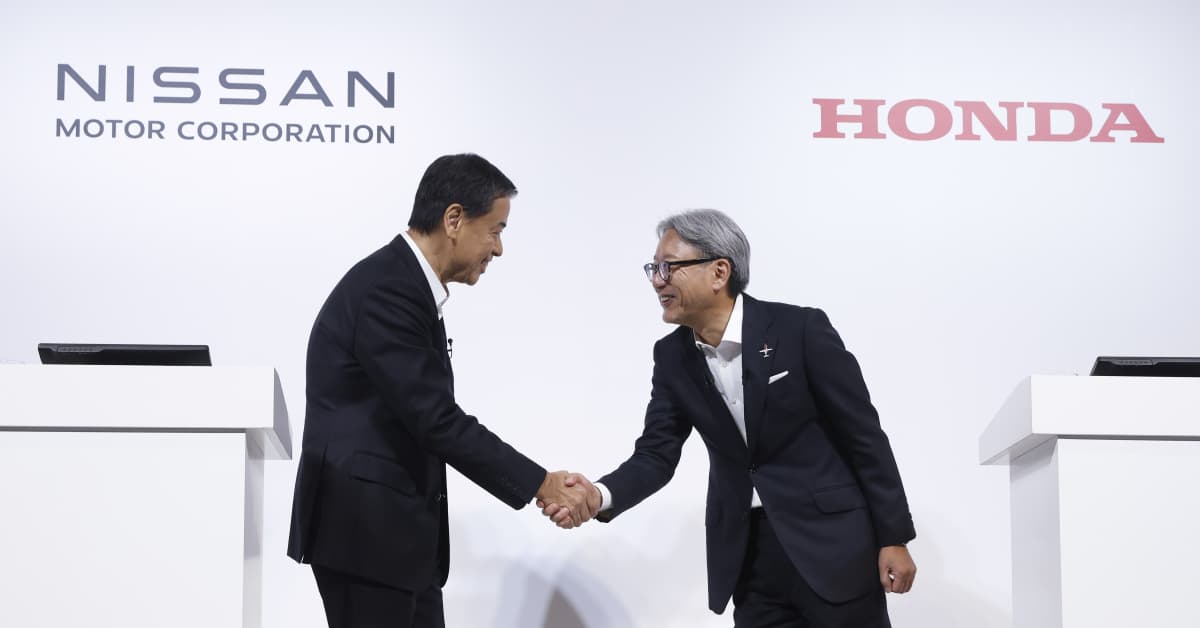
In a groundbreaking move poised to significantly alter the landscape of the global automotive sector, Honda and Nissan have publicly announced their plans to merge by 2026. This merger, revealed during a joint press conference in Tokyo featuring leaders from both companies, indicates a strategic pivot within Japan's car manufacturing industry, aimed at countering the surging competition from Chinese electric vehicle (EV) makers and other international giants.
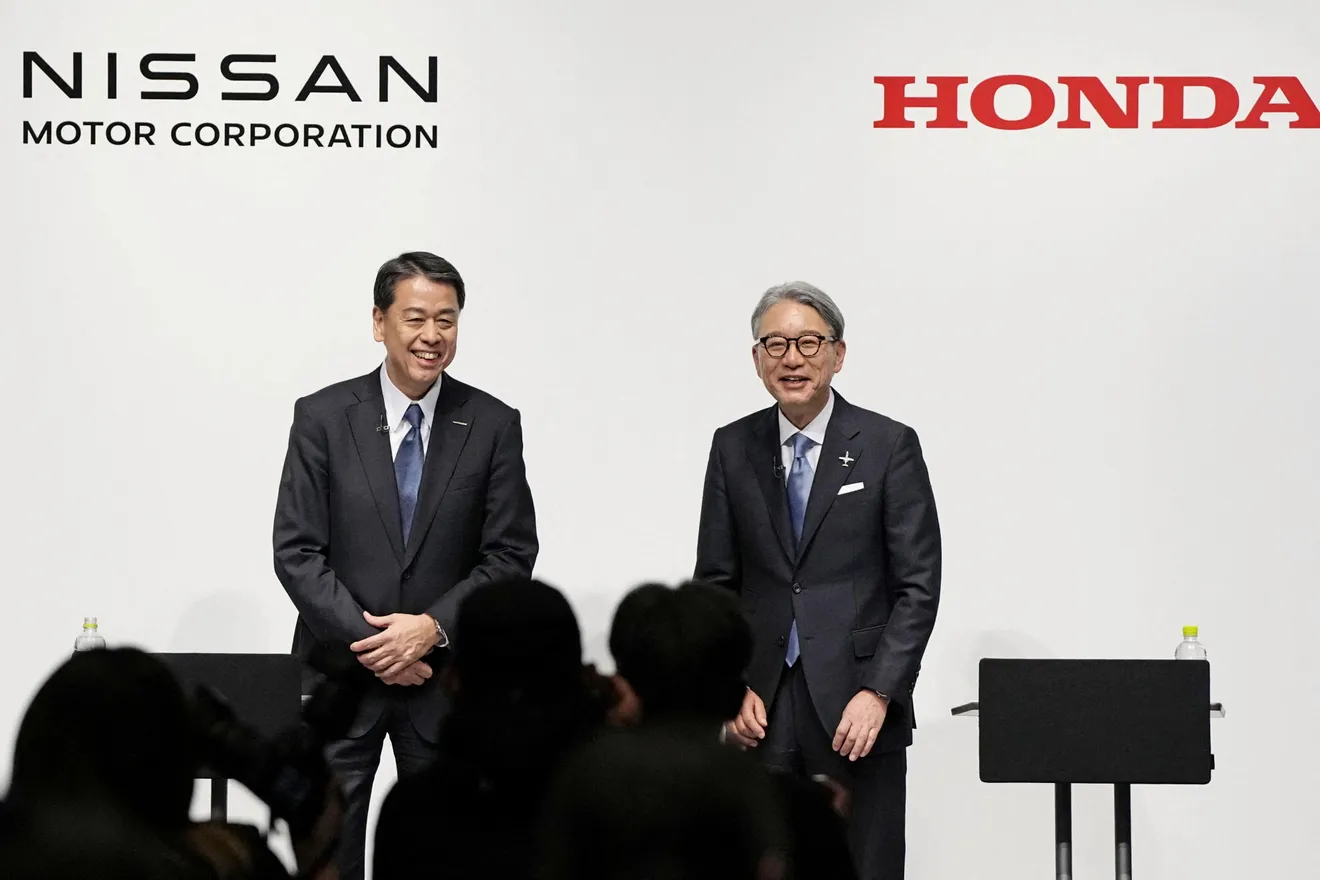
A Strategic Alliance in Response to Evolving Market Dynamics
The proposed merger between Honda and Nissan is not just a response to external pressures but a proactive strategy to dominate a rapidly changing market. With combined vehicle sales projected to make the merged entity the third-largest auto group globally, trailing only behind Toyota and Volkswagen, the stakes are high. This alliance could reshape market dynamics, leveraging shared resources to innovate and compete against the likes of Tesla and Chinese frontrunners like BYD. Toshihiro Mibe, CEO of Honda, emphasized the urgency of the merger in terms of technological innovation, particularly in electrification and autonomous driving. "The rise of Chinese automakers and new players has changed the car industry quite a lot," Mibe stated, underscoring the need to build capabilities robust enough to compete by 2030.Financial and Operational Synergies
The merger is expected to result in combined sales of approximately 30 trillion yen ($191 billion) and an operating profit exceeding 3 trillion yen. Such financial metrics illustrate the potential economic scale and efficiency gains from the merger, positioning the new entity to undertake substantial investments in next-generation automotive technologies.
Beyond the Merger: Broader Implications and Industry Reactions
While the merger has been portrayed as a strategic enhancement rather than a rescue of Nissan, which has faced financial turbulence recently, the broader implications for the global auto industry are profound. Nissan's decision last month to slash jobs and production capacity highlights the intense pressures on traditional car manufacturers to adapt to a market increasingly dominated by EVs and technologically advanced competitors. Interestingly, former Nissan chairman Carlos Ghosn, now a fugitive in Lebanon, expressed skepticism about the success of the merger, citing a lack of complementary strengths between Honda and Nissan. Meanwhile, Renault, Nissan’s largest shareholder, has indicated openness to discuss the merger, showing the complex web of relationships and interests that such a deal involves.