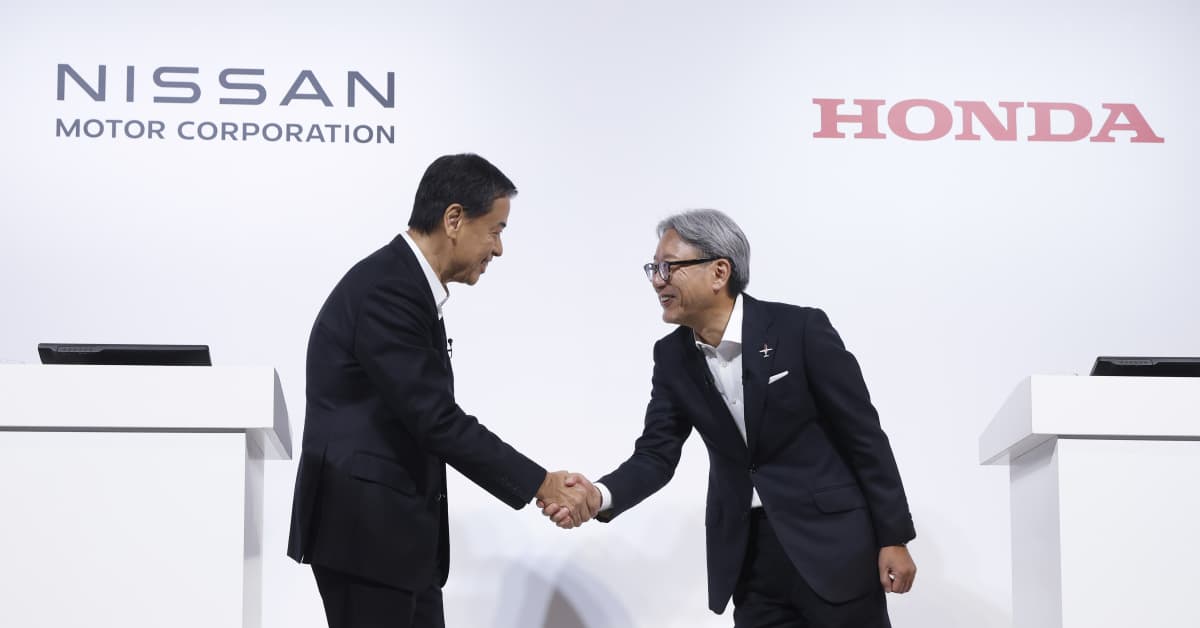
In a recent, somewhat tense press interaction, Honda's CEO, Toshihiro Mibe, grappled with explaining the rationale behind the proposed merger with Nissan. Amidst industry speculation and financial scrutiny, the motivations behind this potential union between two automotive giants are as complex as they are compelling.
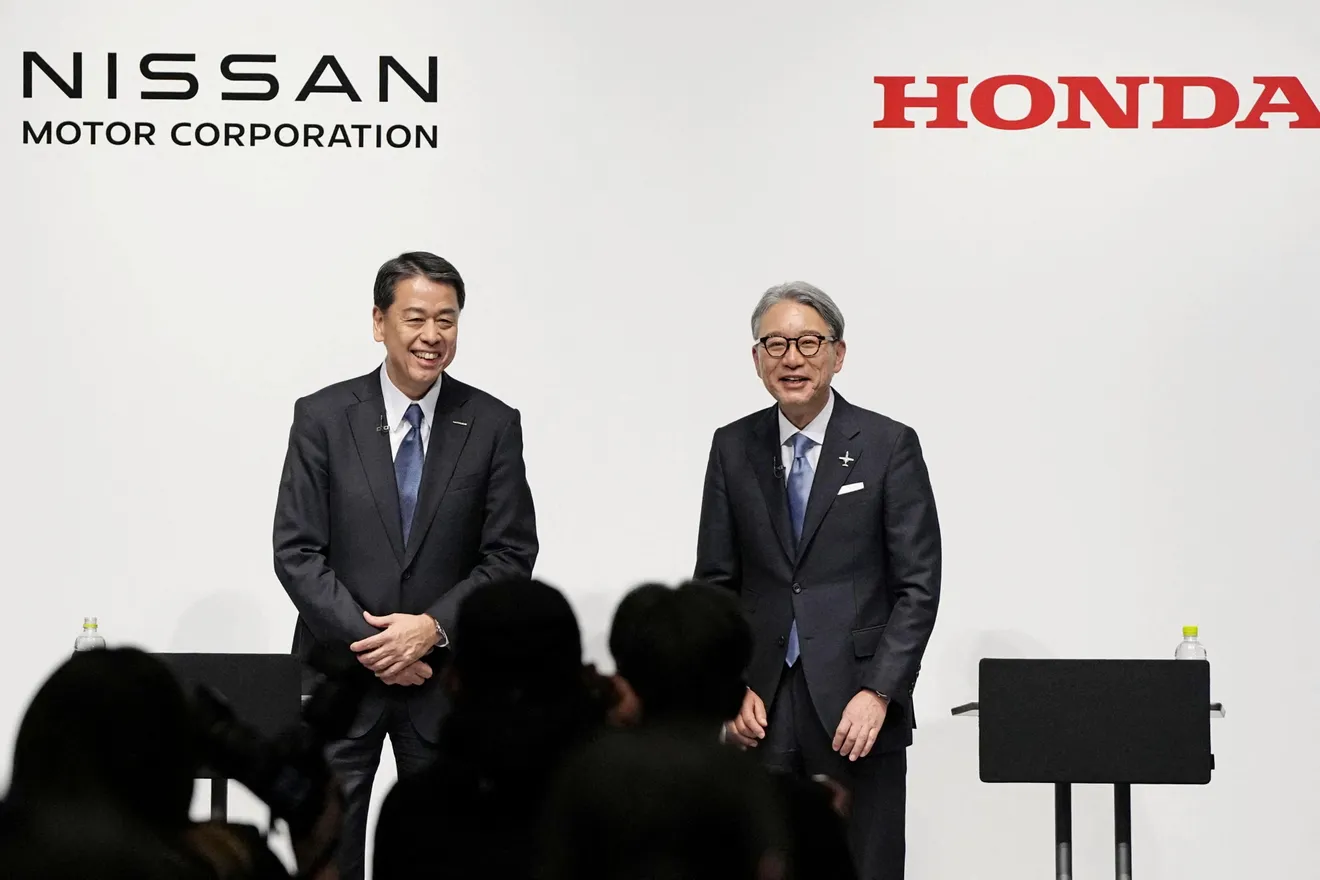
A Strategic Alliance or a Rescue Operation?
The announcement of potential merger talks between Honda and Nissan has stirred a significant amount of intrigue and skepticism within the automotive industry. Honda, with its solid lineup of gas-powered vehicles and hybrids, appears to be in a relatively stable position despite some struggles in the electric vehicle (EV) domain. Meanwhile, Nissan presents a contrasting picture of financial disarray and declining popularity in its EV offerings, like the Ariya and the once-pioneering Leaf.The Underlying Challenges and Opportunities
Honda's recent endeavors in the EV market, particularly post its faltering alliance with General Motors, highlight a cautious but determined approach to adapting to the rapidly evolving automotive landscape. The upcoming launch of Honda's first in-house developed long-range EV is highly anticipated as a litmus test for its future in this competitive segment. Nissan, on the other hand, although beleaguered with financial issues and organizational chaos, holds valuable assets that could be beneficial in a merger. Its extensive network of production facilities, a robust workforce, and a stronghold in the Southeast Asian markets are potential strategic advantages. Furthermore, Nissan's Sakura, despite being a kei car, reigns as Japan's best-selling EV, indicating that not all is lost for the brand.
Analysts Weigh In: Risks and Rewards
The merger proposition, while seeming like a 'Hail Mary' pass in some respects, could also be a calculated risk aiming to consolidate strengths in critical areas such as EV technology and market reach. Julie Boote of Pelham Smithers Associates suggests that Honda could significantly benefit from a partnership that bolsters its capabilities in EVs and next-generation automotive technologies. However, she notes, partnering with a "healthy and financially sound company" would have been the ideal scenario.The Role of External Influences
Speculations suggest that the Japanese Ministry of Economy, Trade and Industry (METI) may have had a hand in facilitating the merger talks to prevent a possible hostile takeover of Nissan by Foxconn. This intervention, while protective, hints at a preference for control over performance, a sentiment echoed by former Nissan CEO Carlos Ghosn, who remains skeptical of the merger's potential success.A Long Road to Possible Integration
Should the merger proceed, it won't be an immediate remedy for either company's current predicaments. Industry experts like those from AlixPartners suggest that it could take between three to five years for the merger's benefits to materialize. This delay presents a significant window for competitors, particularly Chinese automakers, to capitalize on and possibly outpace both Honda and Nissan in key areas.