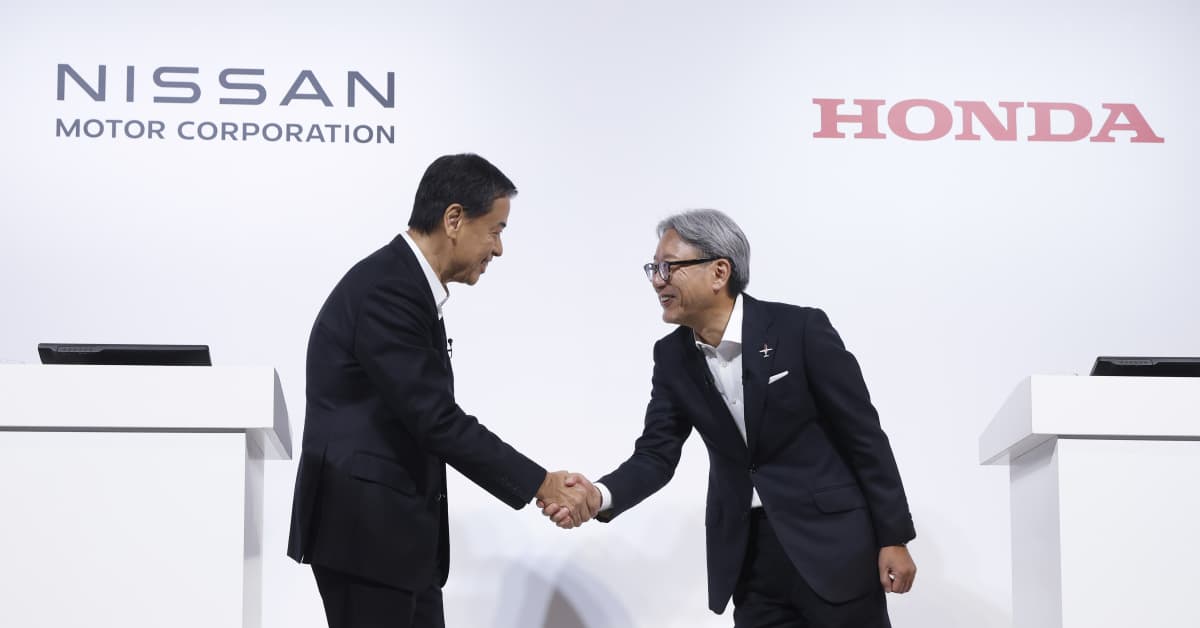
The automotive world is abuzz as Nissan, Honda, and Mitsubishi move closer to a groundbreaking merger. This collaboration could significantly reshape the global car market, positioning the trio to become the third-largest automotive conglomerate in terms of sales volume. With the ink drying on a Memorandum of Understanding (MOU), the wheels are in motion for what could be one of the most significant mergers in automotive history.
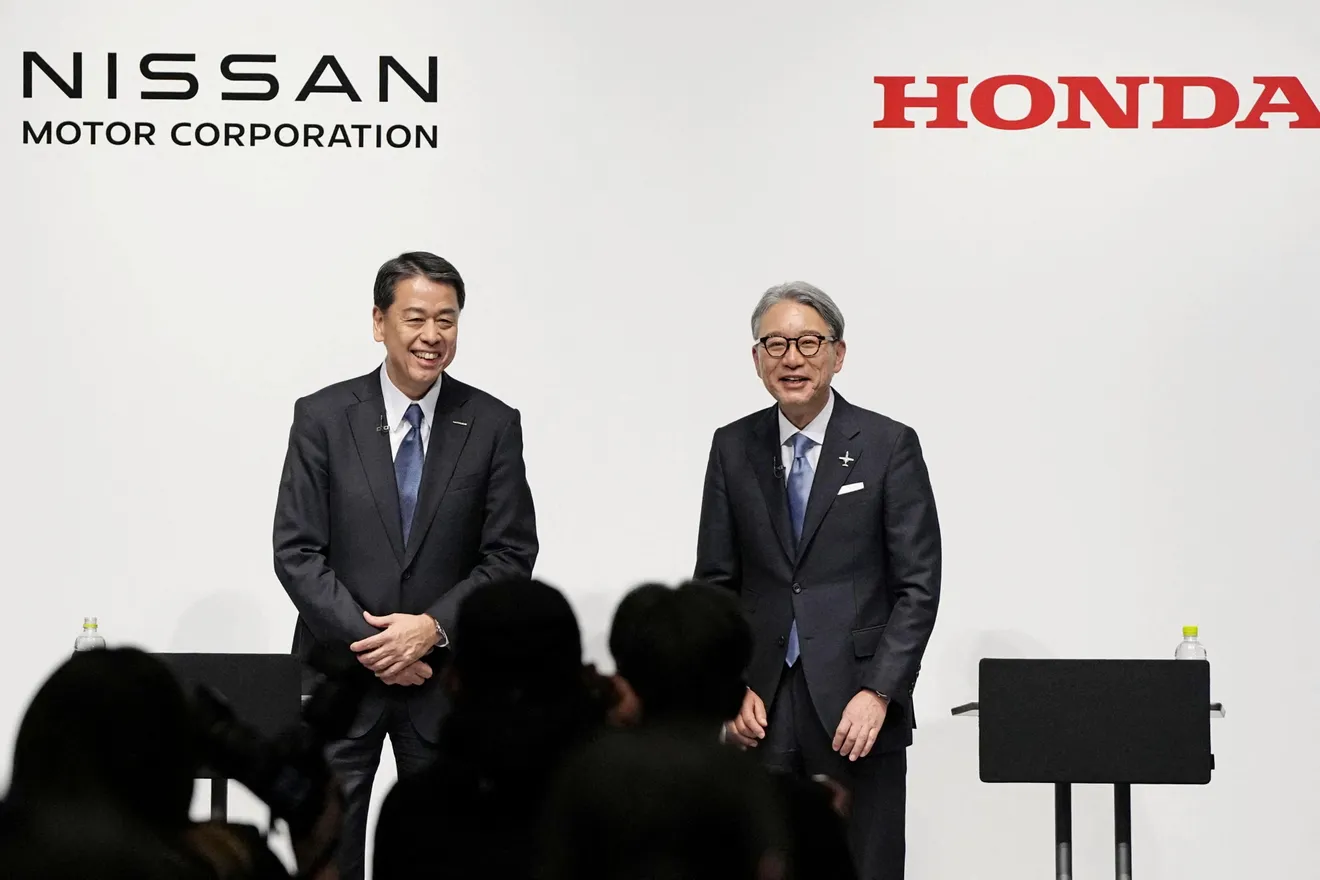
A Triumvirate of Technological Power
Nissan's Long Road to Recovery
Nissan has been grappling with financial challenges since the 1990s, with Renault playing a pivotal role in its survival. However, with Renault scaling back its involvement earlier this year, Nissan has been on the lookout for a new strategic partner. The potential merger with Honda, and the involvement of Mitsubishi, signals a promising horizon not just for Nissan but for all parties involved.Honda Steps into the Limelight
Honda's engagement in this merger is not just about market expansion but also about technological synergy. As stated by Makoto Uchida, Nissan’s CEO, the merger aims to harness the strengths of both companies to deliver unmatched value to their global customer base. "If realized, I believe that by uniting the strengths of both companies, we can deliver unparalleled value to customers worldwide who appreciate our respective brands," Uchida remarked during a recent press conference.Mitsubishi's Quiet Contribution
While the talks have predominantly centered around Nissan and Honda, Mitsubishi is not merely a side note. The company has made significant strides in battery technology, particularly with its Outlander PHEV. This expertise could be a key component in the merged entity’s strategy, particularly as the automotive world continues to shift towards electric vehicles (EVs).
Forging Ahead with Joint Ventures
The collaboration has already begun to bear fruit with joint ventures in electric vehicle and safety technology development earlier this year. These partnerships are stepping stones towards a more integrated operation that could potentially redefine how these giants operate in the EV and software-defined vehicle markets.The Strategic Timeline
The merger's timeline suggests a swift progression, with definitive agreements planned by June 2025 and full integration expected by the end of 2026. This rapid timeline underscores the urgency and the strategic importance of this merger in the face of global automotive industry challenges, such as the rise of EVs and the increasing dominance of tech-centric car manufacturers like Tesla and China's BYD.The Road Ahead: Opportunities and Challenges
This merger is about more than just combining corporate forces; it's about creating a new narrative in the automotive industry that focuses on innovation, sustainability, and consumer satisfaction. As these companies embark on this journey, the industry will be watching closely to see if this alliance can indeed turn the tide for Nissan, boost Honda's technological pursuits, and leverage Mitsubishi’s advancements in battery technology.