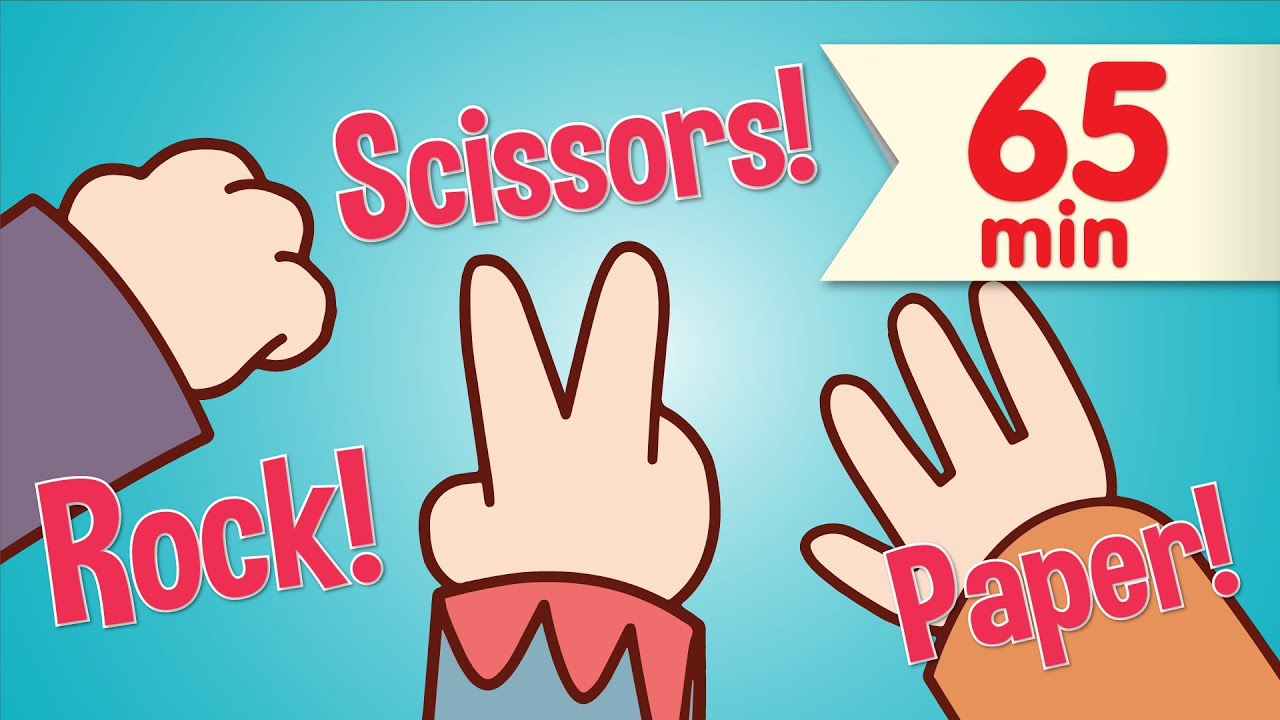
In the seemingly simple game of Rock, Paper, Scissors, victory might appear to hinge on chance. Yet, according to game designer Nick Metzler, there's a deeper layer of strategy that can significantly elevate your chances of winning. With a blend of psychological insights and tactical play, Metzler reveals how anyone can turn the tables on their opponent and transform a casual game into a masterclass of cunning.

The Strategy Unveiled
During a revealing TikTok session, Metzler, who has carved a niche in game design, shared his insights that challenge the traditional randomness associated with Rock, Paper, Scissors. "When people say 'rock, paper, scissors, shoot', they're about to make a choice that's subtly influenced by psychological cues," Metzler explains. His key advice? Pay close attention to the order in which the options are recited. Players tend to select either the first or last option mentioned, providing a strategic edge to those in the know. By recommending the choice of 'rock' as the initial move, Metzler suggests a tactic that statistically improves your odds of at least not losing in the first round. "Most people never open with paper," he notes, hinting at a common trend among casual players to avoid what they perceive as a weaker option.Optimizing Your Game Play
The essence of Metzler's strategy lies in anticipation and adaptation. After the initial move, observing an opponent's choices can offer critical clues for subsequent rounds. "If I win with rock, I switch tactics; if I tie, I stick; if I lose to paper, I concede the round but adapt my strategy for the next," Metzler outlines, showcasing a dynamic approach to the game.
The Psychological Edge
Beyond mere choice manipulation, the real mastery according to Metzler lies in the psychological play. Rock, Paper, Scissors isn't just about predicting what your opponent will choose but also about influencing their decision through subtle cues and confidence. The psychological warfare of this game, as Metzler highlights, makes it a fascinating study of human behavior and strategic thinking.Community Response and Further Tactics
The strategy has stirred considerable interest online, with many enthusiasts eager to test out Metzler's methods. Social media platforms buzzed with discussions and additional tips from players experimenting with the strategy. One popular suggestion among the community is to maintain a consistent pattern initially to lull opponents into a false sense of predictability before striking with an unexpected choice.