
In a surprising pivot at the recent Meta Connect event, Mark Zuckerberg, CEO of Meta Platforms Inc., unveiled a significant shift in Facebook's content monitoring strategy. This change reflects a broader transformation in Zuckerberg's approach to social media management, echoing a move toward less restrictive content policies. Here's a deeper look at what's changing and why it matters.

Zuckerberg's Stylish Transformation and Strategic Shift
Gone are the days of Zuckerberg's trademark gray shirts; recently, he's been spotted in more eclectic attire, symbolizing a broader change in his professional demeanor and policies. At the heart of this transformation is a shift from a heavily monitored Facebook environment to a model akin to Elon Musk's X app, where community-driven feedback flags potentially harmful content. Instead of a team meticulously fact-checking and blocking misinformation and hate speech, the new approach allows such content to be posted but accompanied by a warning label. This method suggests a significant relaxation of previous stringent controls, aiming to balance user freedom with necessary safeguards.A Strategic Pivot Amidst Political Changes
This change comes as Zuckerberg navigates Meta through a charged political landscape. With major elections looming, big tech companies, including Meta, are recalibrating their strategies to appeal to a diverse user base, potentially leaning towards a more conservative audience. This strategic pivot is likely influenced by commercial imperatives to keep the platform engaging and financially viable amidst varying political sensibilities.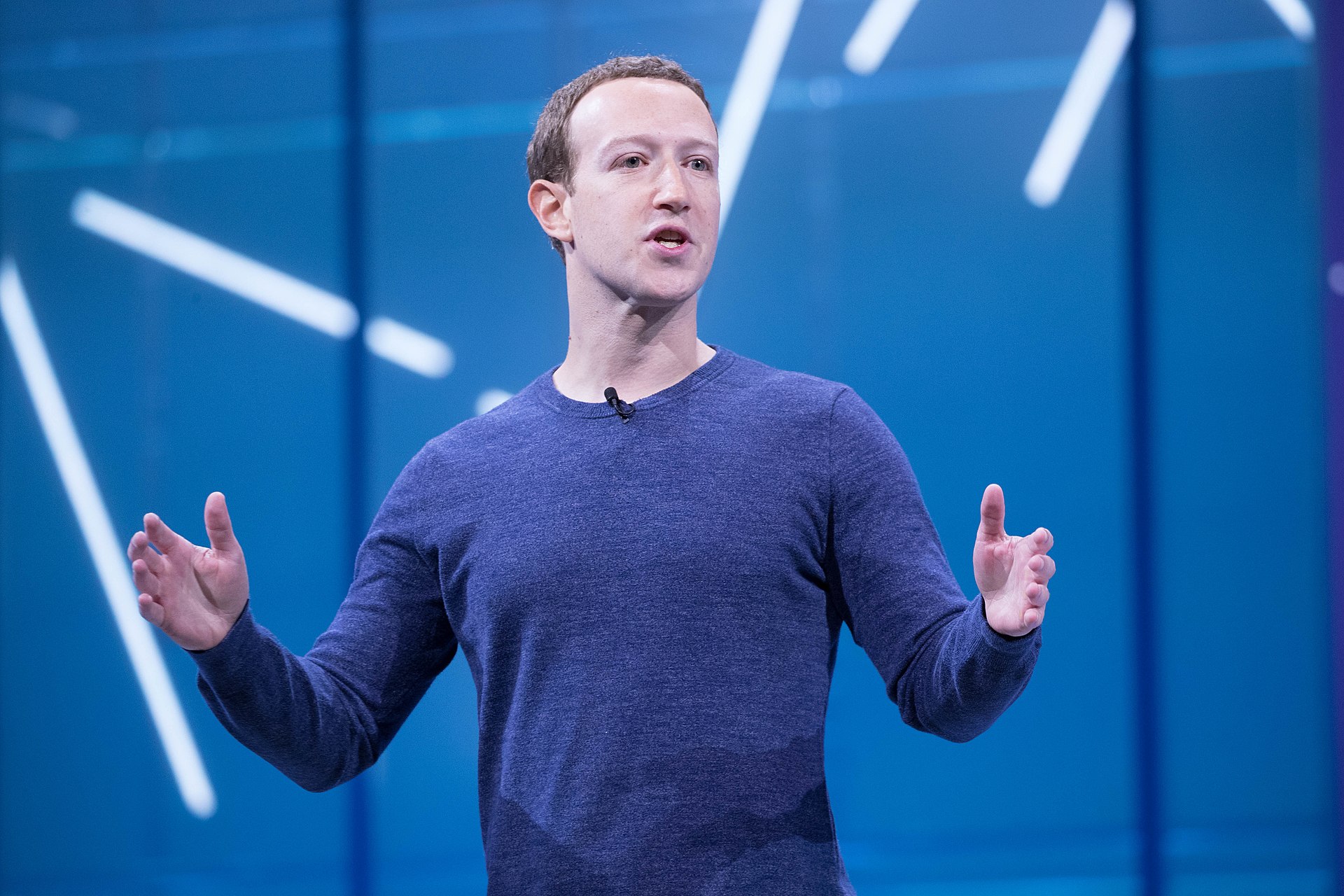
The Future of Meta and Social Media Under Zuckerberg's Leadership
As Zuckerberg adopts a more relaxed and less formal public persona, it raises questions about the future direction of Meta and its influence on global social media trends. His leadership style, seemingly becoming more adaptive and less prescriptive, indicates a potential for significant shifts in how social media platforms govern content and engage users. The evolution of Zuckerberg's role and the strategies of Meta Platforms signal a potentially transformative era for social media, where user agency and open dialogue might take precedence over traditional moderation tactics. As Zuckerberg continues to redefine his and Meta's trajectories, the industry watches closely to see how these changes will affect the social media landscape and its billions of users worldwide.