In the competitive and ever-evolving world of operating systems, Microsoft finds itself at a crossroads. The tech giant is pushing hard to transition its massive user base from Windows 10 to Windows 11, but the uptake has been less enthusiastic than expected. As Windows 10 approaches its end-of-support deadline in October next year, Microsoft is encountering resistance from users, complicating what is already a critical period for PC sales during this holiday season.
The Stagnation of Windows 11 Adoption
Recent data paints a concerning picture for Microsoft. After eight months of steady growth in Windows 11 installations, November brought a surprising reversal. The global market share for Windows 10 increased from 61% to 62%, while Windows 11’s share dipped slightly below 35%. The situation is even more pronounced in the U.S., where Windows 10's share jumped from 58% to 61%, and Windows 11 fell from nearly 40% to below 37%. This decline in upgrades comes at a time when Microsoft has extended a 12-month support option for Windows 10 users, possibly influencing some to delay upgrading.The Dilemma of Hardware Compatibility
One significant hurdle for many users is hardware compatibility. Approximately 400 million devices are currently unable to meet the system requirements for Windows 11, which includes TPM 2.0—a critical security feature that enhances encryption and system integrity. Microsoft has been clear: upgrading on non-compatible hardware might forfeit any remaining warranty and stop future support. This hardware gap presents a real problem for users and Microsoft alike. While the company has enabled some pathway for upgrades on incompatible machines, it’s a one-way street—once you upgrade, rolling back could be problematic.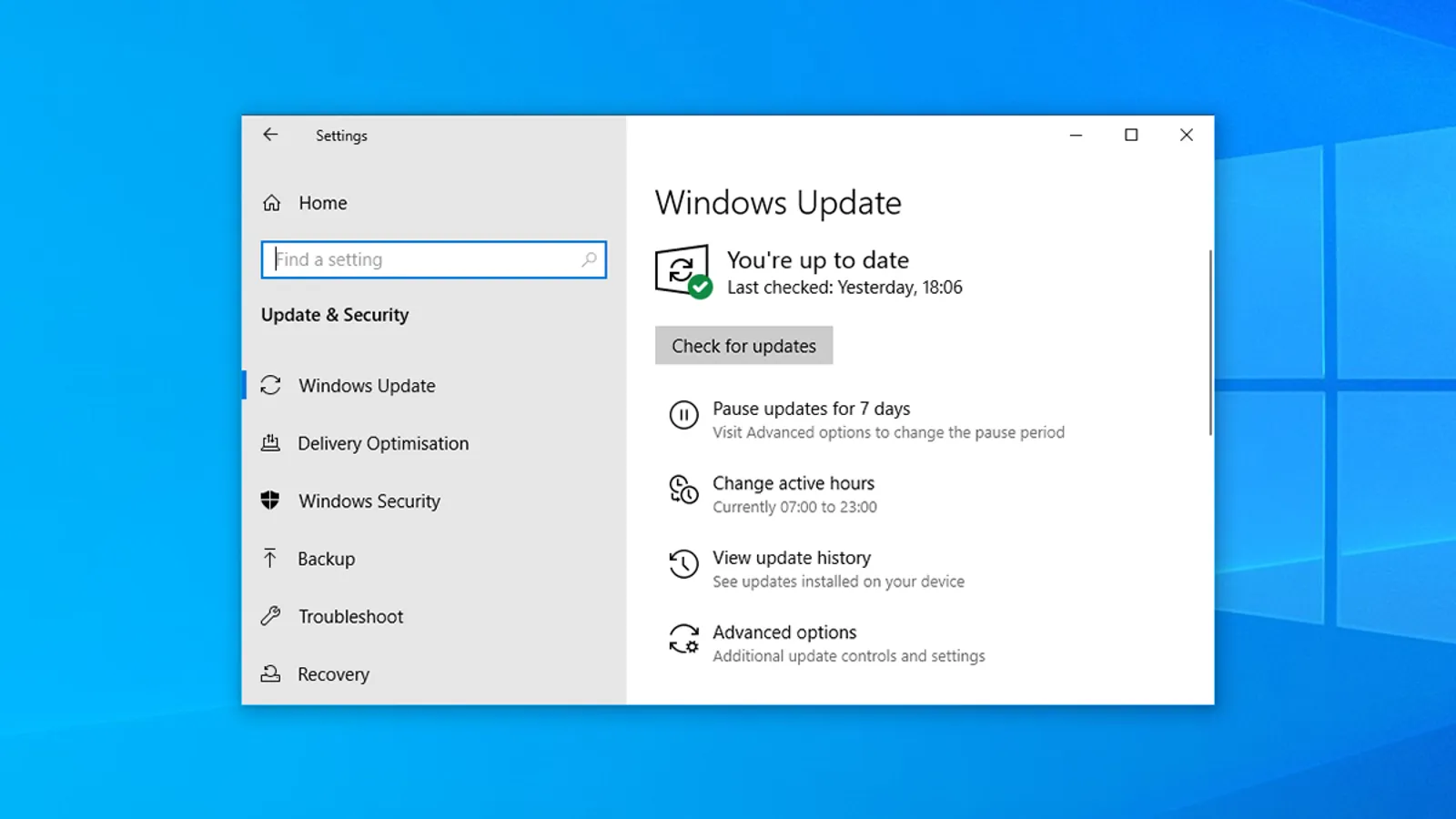
AI Integration and the Recall Feature
Adding to Microsoft’s challenges is the integration of new AI features, like the much-touted Recall function, which has faced significant teething issues. Recall is designed to enhance Windows 11's capabilities by allowing users to search through past activities more efficiently. However, persistent bugs have hampered its effectiveness and adoption. These issues not only deter users from upgrading but also highlight the complexities involved in rolling out new technologies.Looking Ahead: The Future of Windows
As we head into the holiday season, the performance of PC sales and the uptake of Windows 11 will be crucial indicators of what 2025 might hold for Microsoft. The company has repeatedly emphasized the security benefits of Windows 11 over Windows 10, suggesting that those who do not upgrade are taking unnecessary risks. Moreover, Microsoft’s recent firm stance on not backtracking on hardware requirements for Windows 11 suggests that users with older machines may have no choice but to invest in new hardware soon, especially as the end-of-support date for Windows 10 looms closer.