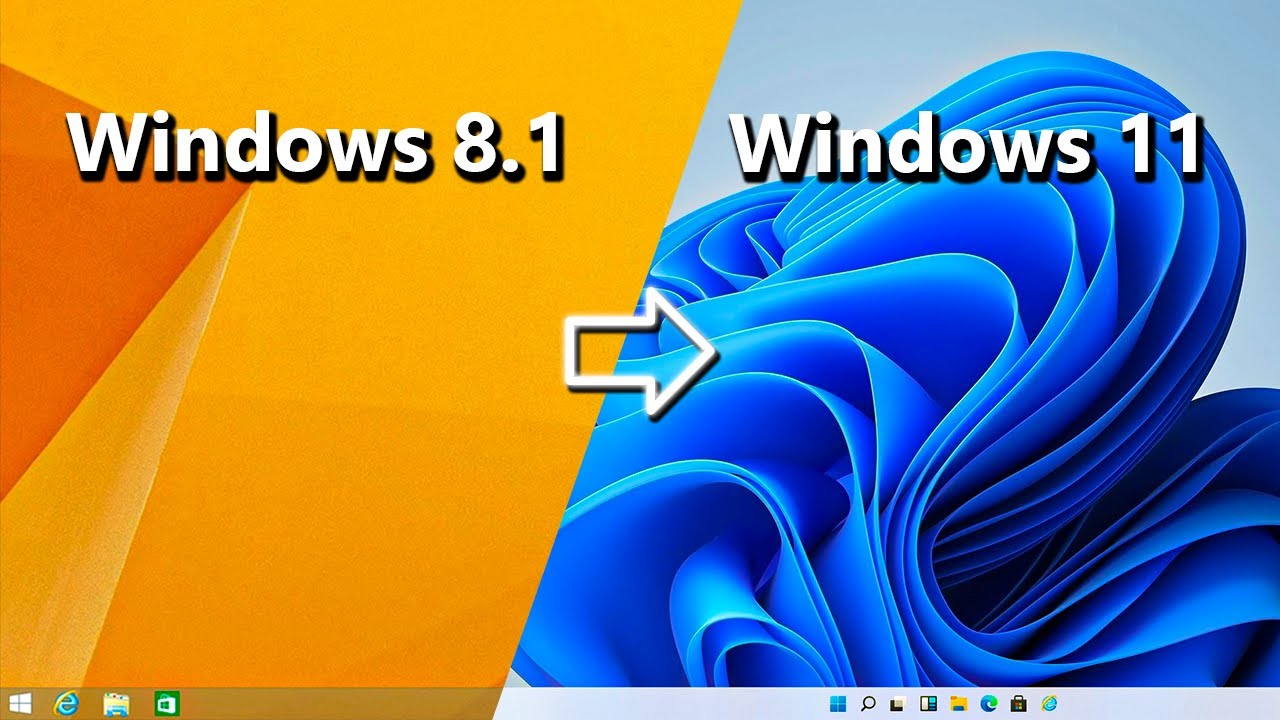
Microsoft is setting the pace in the technology race, encouraging a significant shift from Windows 10 to Windows 11 among American users. As the October 14 deadline looms, the tech giant has successfully persuaded a majority of its U.S. base to embrace the new operating system, marking a pivotal shift in user adoption.
Crossing the Digital Divide: Windows 11 Takes the Lead
According to the latest figures from Statcounter, a dramatic change has unfolded in the operating system landscape within the United States. From February to March, the adoption rate for Windows 11 surged from 42% to 54%, overtaking Windows 10, which saw its market share decrease from 66% to 44%. This shift is significant as it represents a broader acceptance and transition towards newer, more secure technology.The Role of TPM 2.0 in Security Enhancement
Central to Microsoft's push for upgrades is the integration of the TPM 2.0 security chip, which has become a decisive factor for users contemplating the switch. This chip enhances security features significantly, delineating which PCs can smoothly transition to the new OS and which cannot. As Microsoft highlights the benefits of TPM 2.0, it aims to alleviate concerns and encourage upgrades among users with compatible PCs.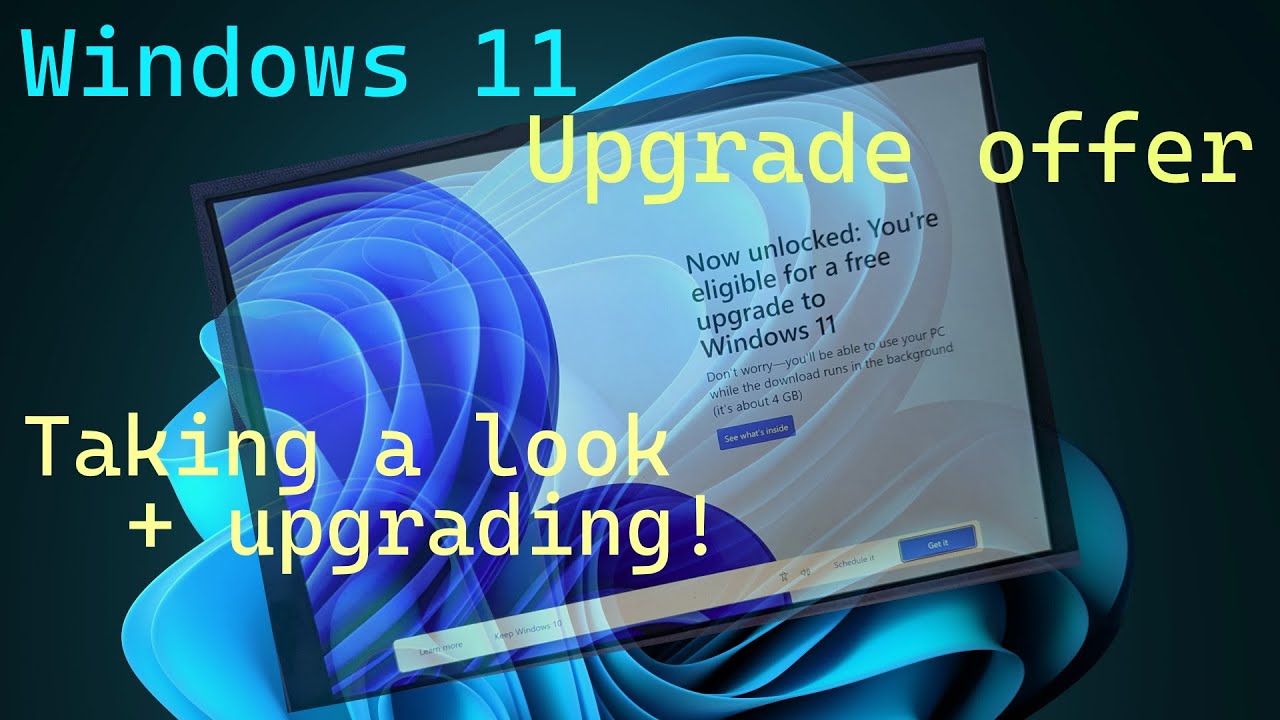
International Struggles and Security Risks
While the U.S. shows promising progress, Microsoft faces tougher challenges in other regions. In Europe, Windows 10 stubbornly holds a 55% market share, with Windows 11 lagging at 42%. The scenario is even more daunting in Asia, where over 60% of users are still operating on Windows 10. The disparity in upgrade rates across continents underscores the urgent need for global users to transition to more secure systems as outdated operating systems pose significant risks, including data breaches and identity theft.Impending Deadline and the Push for Global Compliance
With the October 14 deadline fast approaching, Microsoft intensifies its efforts to mitigate the risks associated with unsupported operating systems. Post-deadline, Windows 10 will no longer receive updates, technical assistance, or security fixes, potentially exposing millions of PCs to cyber threats. Microsoft's warning is clear: upgrade now or risk becoming an easy target for cyber-attacks.