
Microsoft has made history with the unveiling of Majorana 1, the world’s first quantum chip built on a groundbreaking Topological Core architecture. This innovation is expected to revolutionize quantum computing, bringing industrial-scale solutions within reach in years, not decades.
With topoconductors at its core—a new class of materials that control and observe Majorana particles—Microsoft aims to develop a one-million-qubit quantum computer, a milestone that would make today’s supercomputers look obsolete. But what does this mean for the future of computing, and how does Majorana 1 change the game?
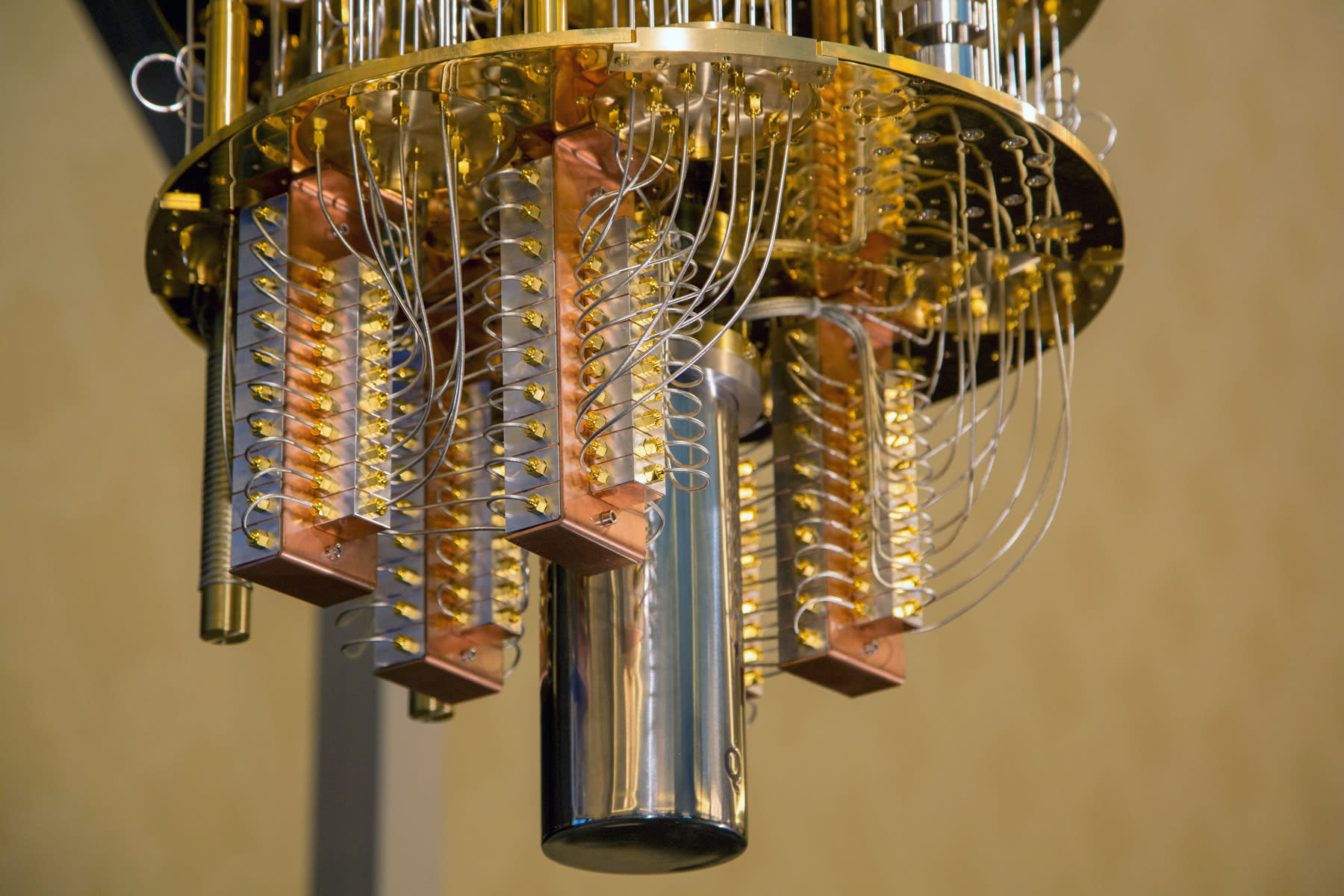
The Birth of Majorana 1: A Quantum Breakthrough
Unlike previous quantum computing efforts, which have faced scalability and stability challenges, Microsoft's approach focuses on error-resistant, topological qubits.“We took a step back and said, ‘OK, let’s invent the transistor for the quantum age. What properties does it need to have?’†said Chetan Nayak, Microsoft Technical Fellow.By integrating Majorana particles—exotic quantum states that offer greater stability—Microsoft believes it has cracked the code for large-scale quantum computing.
Why Topoconductors Matter: The Next Silicon Revolution
Just as semiconductors ushered in the modern computing era, topoconductors could be the foundation for the quantum revolution. These materials create a new state of matter, neither solid, liquid, nor gas, but topological, allowing for more stable, faster, and digitally controlled qubits. In a landmark study published in Nature, Microsoft researchers demonstrated their ability to observe and measure Majorana particles, a crucial step toward making quantum computing practical.The Race to One Million Qubits
For quantum computing to solve real-world industrial challenges—such as breaking down microplastics, creating self-healing materials, or simulating chemical reactions—it needs to scale. Microsoft’s one-million-qubit goal is a crucial milestone.“Whatever you’re doing in the quantum space needs to have a path to a million qubits,†Nayak emphasized. “If it doesn’t, you’re going to hit a wall before you get to the scale at which you can solve the really important problems that motivate us.â€Unlike traditional qubits that require fine-tuned analog control, Microsoft's design is digitally controlled, making it easier to scale.
DARPA Recognizes Microsoft's Quantum Potential
Microsoft’s ambitious quantum efforts have caught the attention of the Defense Advanced Research Projects Agency (DARPA), a U.S. government agency focused on pioneering next-generation technologies. As part of DARPA’s Quantum Benchmarking Initiative, Microsoft is one of just two companies invited to the final phase of the US2QC (Underexplored Systems for Utility-Scale Quantum Computing) program. This recognition highlights the potential of Majorana-based qubits to achieve fault-tolerant quantum computing faster than expected.
What Can a Million-Qubit Quantum Computer Do?
Once scaled, quantum computers could tackle problems that classical computers cannot compute in a lifetime, such as:- Self-Healing Materials: Understanding and solving why materials corrode or crack, leading to stronger bridges, unbreakable screens, and more durable airplane components.
- Plastic Pollution Solutions: Simulating catalysts that can break down microplastics, offering a breakthrough in environmental sustainability.
- Next-Gen Healthcare & Agriculture: Optimizing enzymes for better drug development, food production, and soil fertility.
- Flawless Product Design: Instead of years of trial and error, companies could input specifications and instantly receive optimized blueprints.
“Any company that makes anything could just design it perfectly the first time out. The quantum computer teaches AI the language of nature so the AI can just tell you the recipe for what you want to make,†said Matthias Troyer, Microsoft Technical Fellow.
How Microsoft’s Quantum Strategy Differs from Competitors
Unlike other quantum computing approaches, Microsoft chose to pursue topological qubits, believing they offer better stability and require less error correction. This risky strategy required scientists to coax Majorana particles into existence—something never done before. These exotic particles do not naturally occur and must be created using precise combinations of superconductors and magnetic fields. The recent Nature paper serves as peer-reviewed confirmation that Microsoft has achieved this breakthrough.From Discovery to Deployment: The Power of Digital Control
One of Microsoft’s key advantages is its ability to digitally control qubits—a game-changer compared to existing quantum computing models, which require fine-tuned, complex calibration. This "on-off" switch-like control, combined with error-resistant qubits, allows for faster scaling, making it possible to deploy quantum computing inside Azure data centers.“It’s one thing to discover a new state of matter,†said Nayak. “It’s another to take advantage of it to rethink quantum computing at scale.â€
Majorana 1: The Quantum Chip That Fits in Your Hand
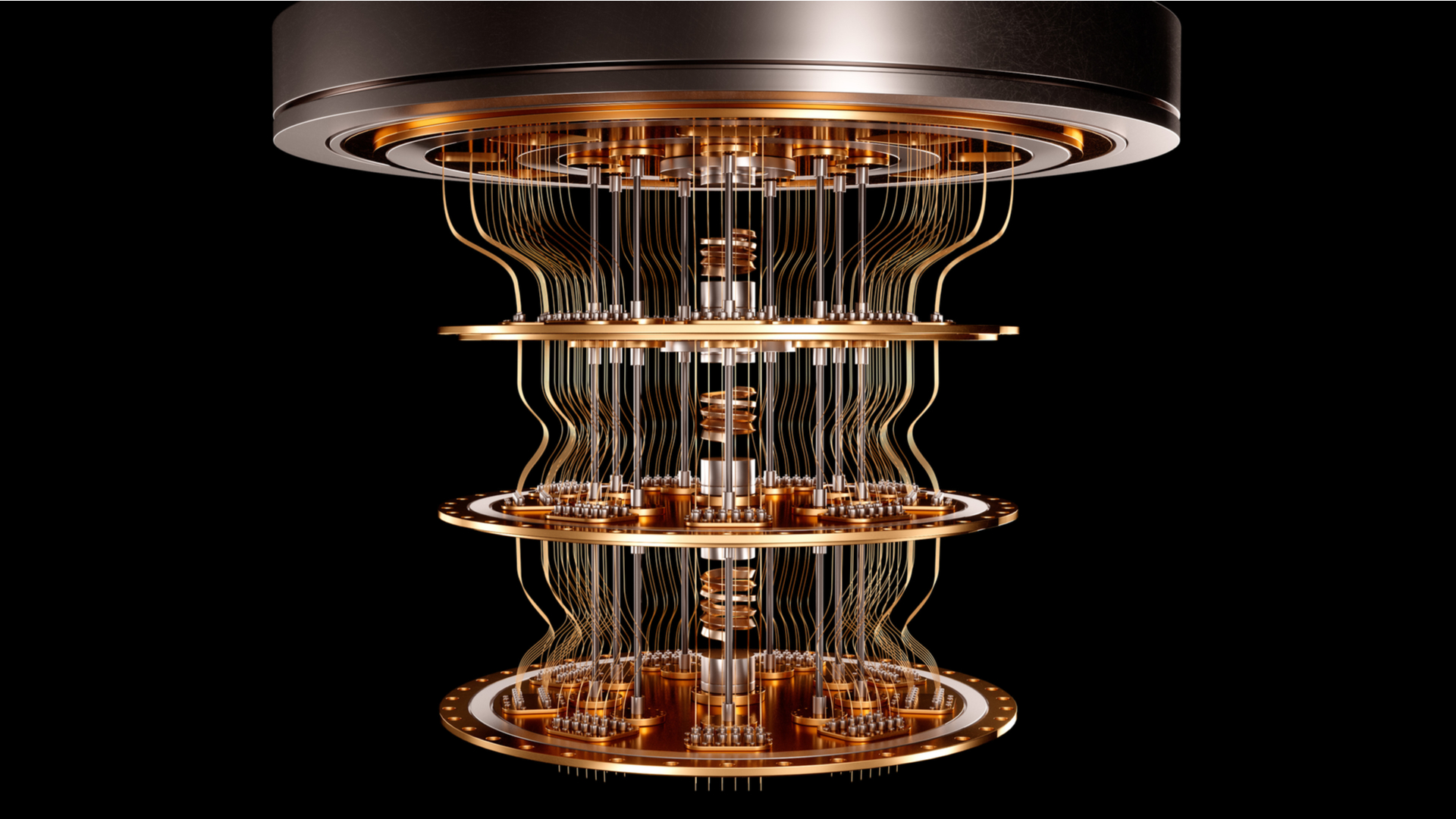
Unlike massive quantum machines that require entire rooms or airplane hangar-sized spaces, Microsoft’s Majorana 1 chip is designed to be compact.- Each chip fits in the palm of your hand.
- Each qubit is built using an "H" structure of aluminum nanowires.
- Each "H" has four controllable Majoranas, forming one qubit.
- These structures can be tiled across a chip, making scaling straightforward.
“From the start, we wanted to make a quantum computer for commercial impact, not just thought leadership,†said Troyer. “We knew we needed a new qubit. We knew we had to scale.â€Microsoft’s quantum roadmap is clearer than ever: a fault-tolerant, million-qubit machine is no longer science fiction—it’s becoming reality.