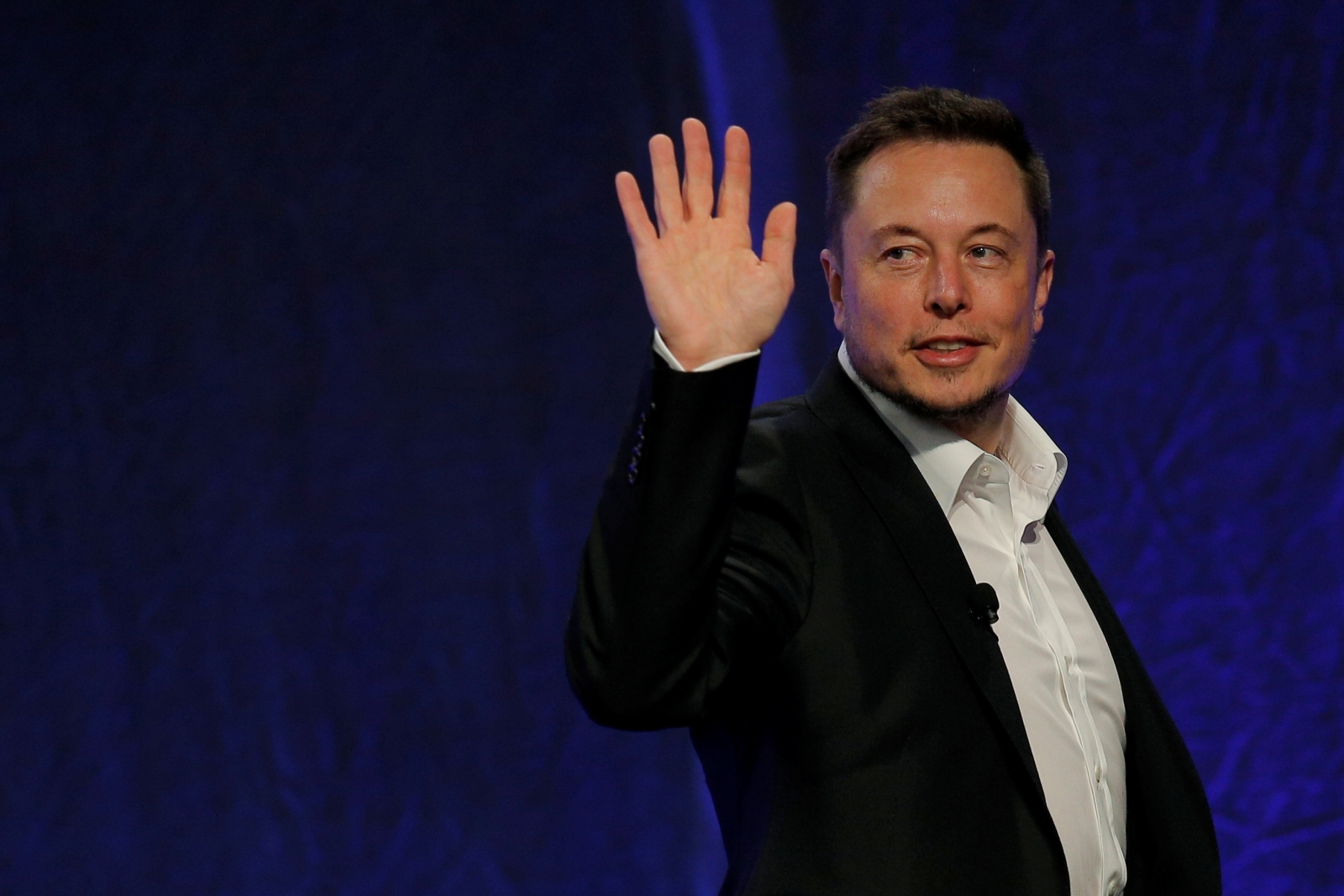
As Elon Musk and Vivek Ramaswamy propose a radical $2 trillion cut in federal spending, the Republican Party finds itself at a critical juncture. Senior House Republicans, particularly those in charge of appropriations, voice concerns about the practicality and political ramifications of implementing such ambitious reductions, especially under the watch of an enthusiastic but controversial president-elect, Donald Trump.
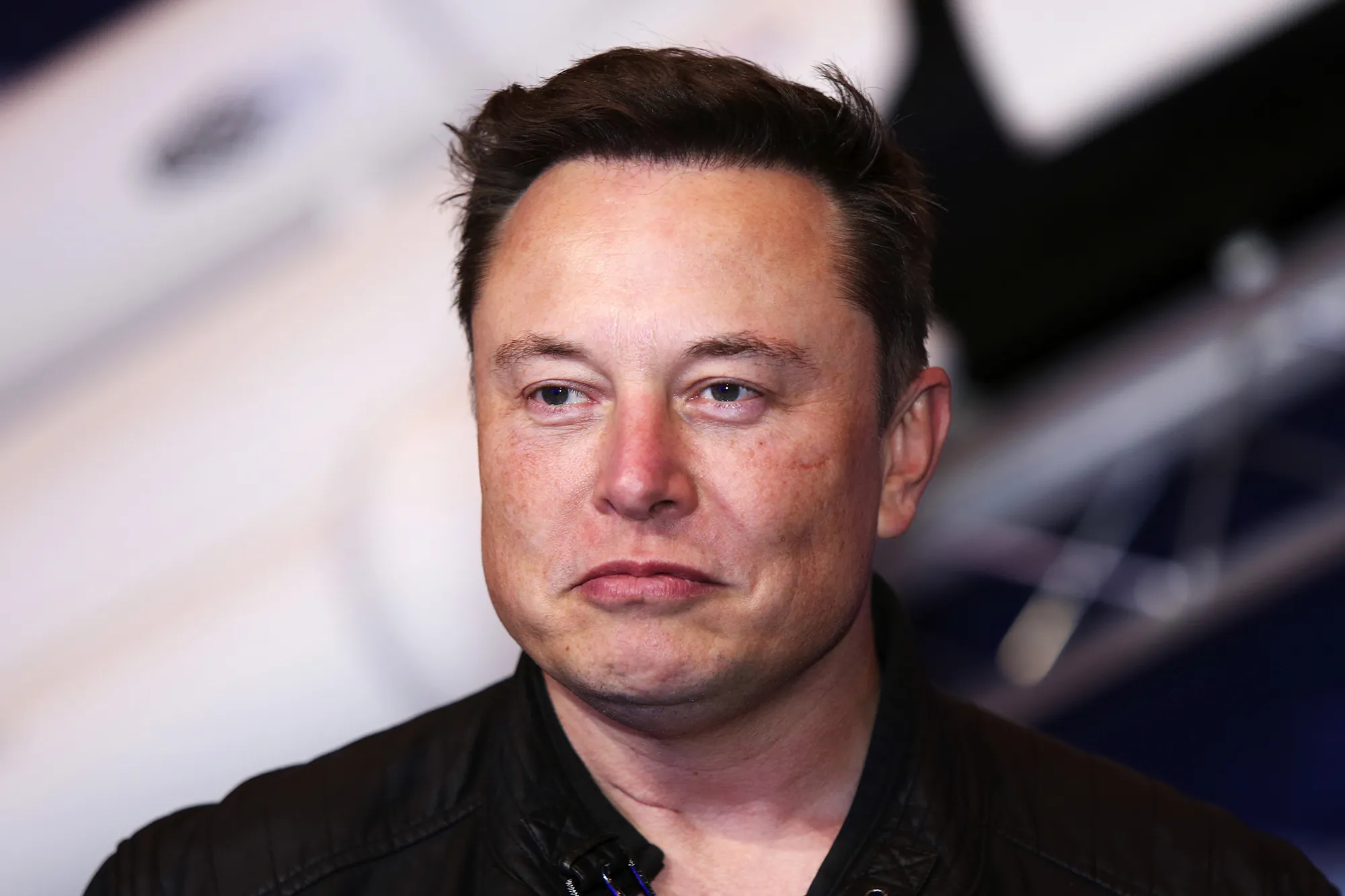
A Collision Course in Federal Budgeting
The challenge laid out by Musk and Ramaswamy, to drastically reduce wasteful spending, is easier said than done. This endeavor has thrust the GOP into a complex dance of financial precision and political strategy, as they try to reconcile Trump’s ambitious cost-cutting directives with the reality of federal budget constraints. Discretionary spending, which includes crucial defense expenditures that Republicans are keen to protect, only constitutes 30% of the federal budget. Achieving a $2 trillion cut would inevitably require dipping into mandatory spending areas like Social Security, which Trump has vowed to preserve. This contradiction sets the stage for a high-stakes political showdown, not just within the party but across the broader national landscape as well.The Practical Challenges of Big Promises
The tension within the Republican ranks is palpable. One senior GOP lawmaker candidly expressed to CNN the difficulty of translating private sector efficiency to government operations, noting that while the aspirational goals set by Musk and Ramaswamy are commendable, the specifics often amount to "tiny, low hanging fruit." This sentiment is echoed by others within the party who foresee a grueling path ahead in balancing these grandiose plans with the gritty realities of governance.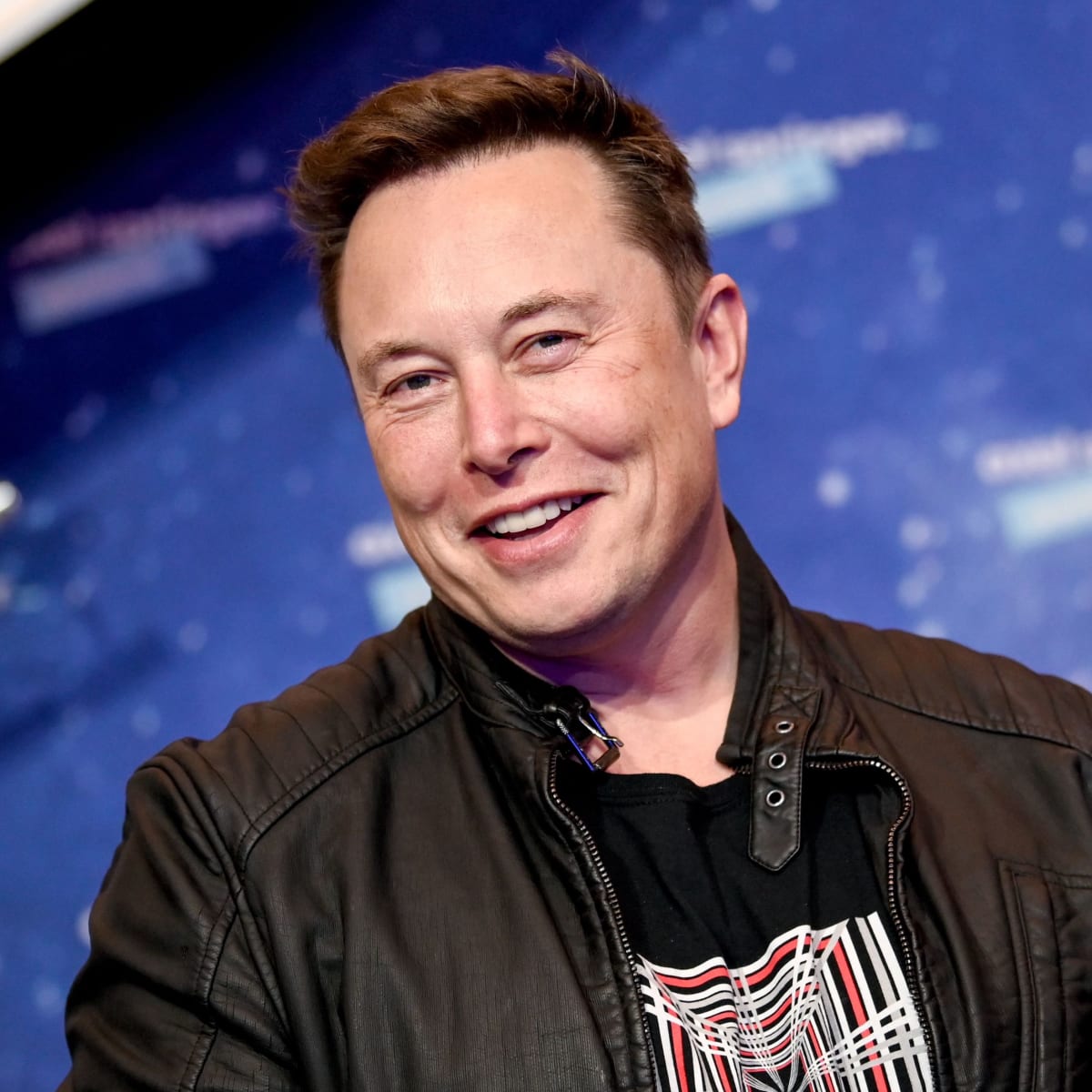
Legal Roadblocks and Presidential Ambitions
Adding another layer to this complex issue, Trump's inclination to bypass Congress to achieve these budget cuts has been met with resistance and legal caution. The specter of lawsuits looms large, with past attempts at similar unilateral fiscal strategies by Trump having led to significant legal and political fallout. The nomination of figures like Russell Vought and Mark Paoletta, who support the controversial practice of impoundments, indicates a potential continuation of this contentious strategy.The Bipartisan Response and the Future of DOGE
Despite these challenges, there is a bipartisan effort, led by GOP Representatives Aaron Bean and Pete Sessions, to forge a productive path forward with Musk and Ramaswamy. This new caucus aims to facilitate more effective collaboration and brainstorming to refine and implement the DOGE initiative. Their goal is clear: to translate the theoretical efficiency of business practices into practical, actionable policies that can withstand the complexities of government operation.