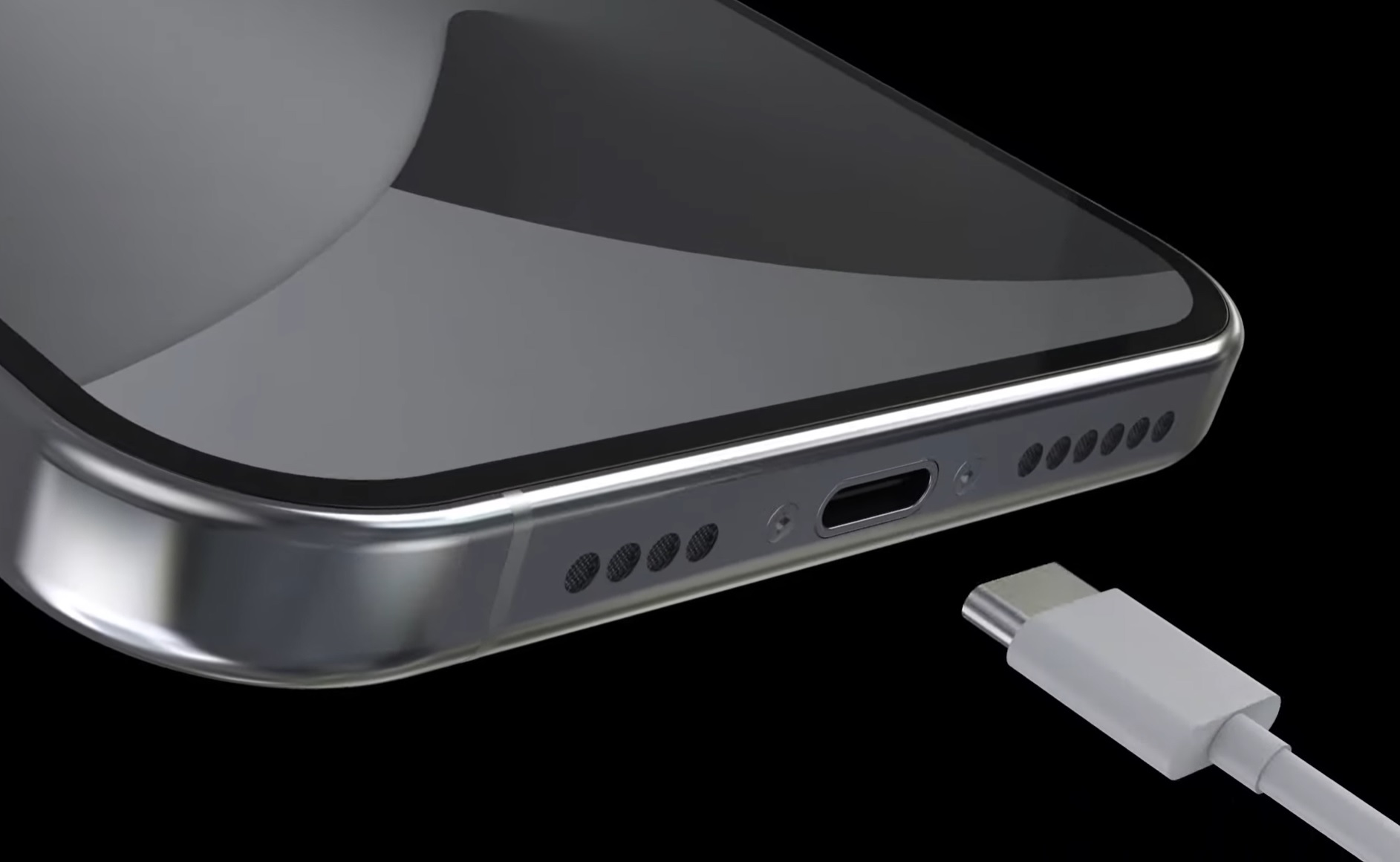
In a significant development for both the technology and cybersecurity landscapes, Apple's USB-C controller has been hacked, spotlighting new vulnerabilities within Apple's security framework. This breach, affecting the iPhone's ACE3 USB-C controller introduced in the iPhone 15 series, marks a critical moment for Apple as it grapples with escalating security challenges across its product range.
Unpacking the USB-C Controller Hack
The hack was demonstrated by Thomas Roth, a respected figure in the security community, during his presentation at the 38th Chaos Communication Congress in Germany. Roth's method involved intricate techniques such as reverse engineering, side-channel analysis, and electromagnetic fault injection. This breach not only allowed Roth to dump the ROM of the controller but also provided a pathway to manipulate the device's internal buses, potentially leading to unauthorized code execution.Apple's Measured Response
Apple's reaction to the findings was to acknowledge the complexity and sophistication of Roth's approach but to also suggest that the immediate threat to users might be less severe. This response has sparked discussions within the security community about whether Apple's current security measures are sufficient to face new and evolving cyber threats.
Industry Reactions and Future Concerns
The security community has expressed mixed reactions to the hack. Some see it as a harbinger of potential new avenues for cybersecurity research, while others, like Rich Newton from Pentest People, stress the importance of developing stronger defenses against attacks such as juice jacking. Adam Pilton of Cybersmart emphasized the severe implications of the hack, comparing unauthorized access to the controller's ROM to having the blueprint of a bank, a metaphor underscoring the potential risks to user privacy and security.Practical Measures for Enhanced Security
In light of this vulnerability, experts recommend that iPhone users adopt additional security measures. These include the use of USB data blockers and opting for charge-only cables when using public charging stations, which can help prevent unauthorized data access or malware transfers.