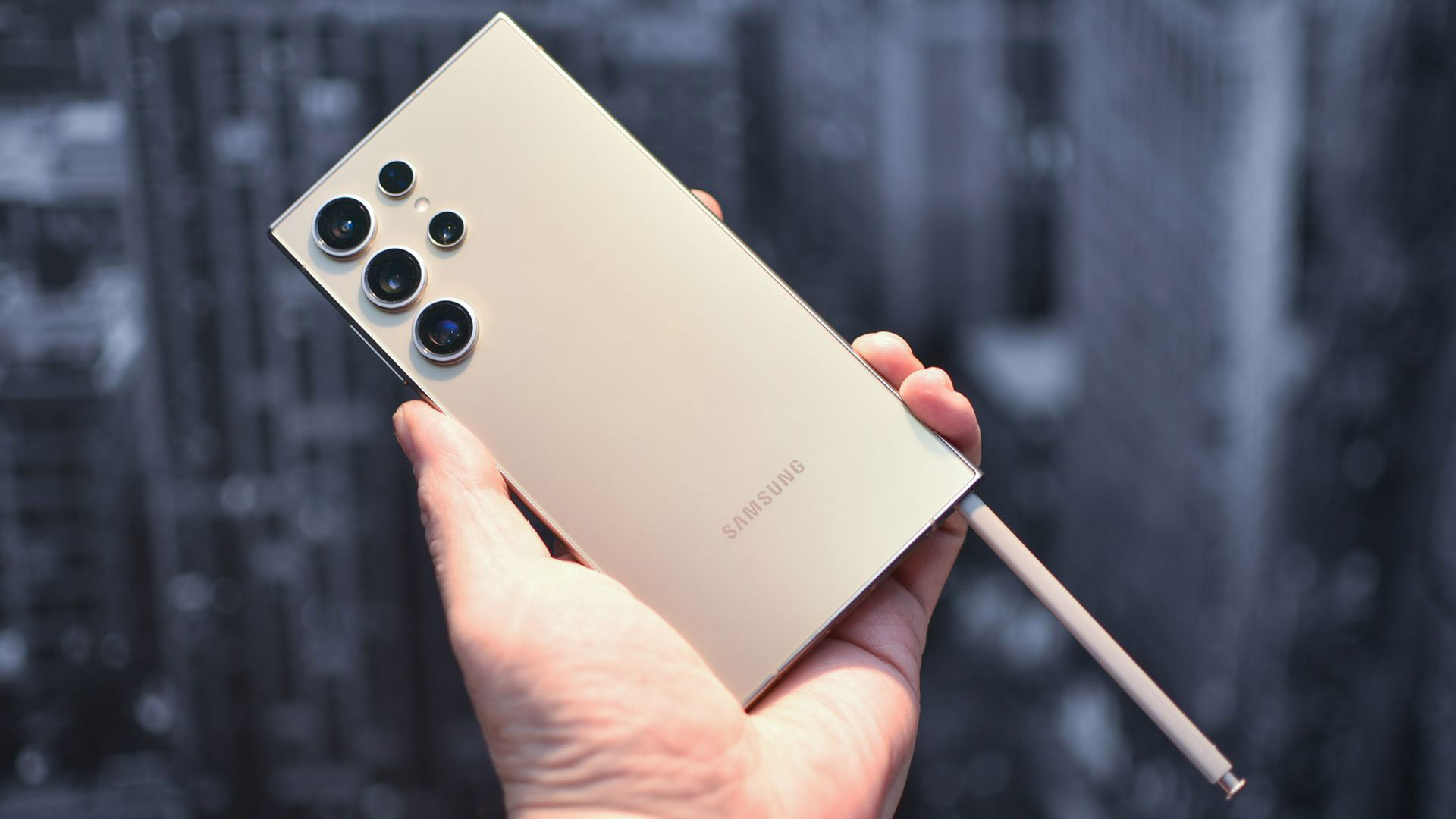
As the tech industry braces for another year of innovation and advancement, Samsung finds itself at a crucial juncture with the upcoming release of its Galaxy S25 series. Reports indicate that Samsung may face unavoidable price increases due to significant shifts in its production strategy and component costs, particularly concerning the integration of the Snapdragon 8 Elite application processor (AP).
The Snapdragon Shift: A Costly Necessity
Alan Friedman's latest article highlights the challenges Samsung is grappling with as the price of Qualcomm’s Snapdragon 8 Elite AP—a key component in the Galaxy S25—skyrockets to $190 each. This AP, notable for being the first manufactured using TSMC's 3nm process, represents a pivotal upgrade in performance and efficiency. However, this comes at a steep cost, exacerbated by rumors of a 10% price increase from TSMC for its advanced 3nm/5nm production, driven by the burgeoning demand for AI-related chips.Exynos Setback and Strategic Compromises
Traditionally, Samsung has relied on its in-house Exynos 2500 chipset for non-U.S. markets, including Canada and China. However, production issues have stifled this plan, with yield rates for the 3nm process alarmingly low—hovering between 20% and 30%, far below the standard 70% needed for mass production. This stark deficiency has forced Samsung to reconsider its strategy, pivoting entirely to the Snapdragon 8 Elite for the Galaxy S25 series. This shift not only impacts production costs but also highlights significant challenges within Samsung Foundry's operations.
The Future of Galaxy S26 and Exynos 2600
Looking ahead, Samsung’s dilemma extends to the planning for its 2026 Galaxy S26 series. The potential continuation of low yields with the Exynos 2600 may compel Samsung to again rely on external foundries like TSMC, a move fraught with financial and reputational risks. The ongoing issues with Samsung Foundry, evidenced by past failures with the 4nm node which pushed Qualcomm to transition production to TSMC, underscore a persistent challenge that Samsung must overcome to maintain its competitive edge and pricing strategy.Optimistic Outlook Amidst Challenges
Despite these hurdles, the technological prowess of the Snapdragon 8 Elite AP offers a silver lining. With two Prime Cores clocking at 4.32GHz and six Performance Cores at 3.53GHz, the absence of efficiency cores aligns with industry trends towards more powerful and streamlined chipsets, similar to MediaTek's approach with the Dimensity 9300 and 9400.