In a striking turn of economic events, South Korea has seen its export growth decelerate to the lowest level in over a year. This downturn, marked distinctly in November, has been shaped largely by diminishing demands from major trading partners, the United States and China, amid rising tariff uncertainties.
A Closer Look at the Declining Figures
November's figures paint a concerning picture for Asia’s fourth-largest economy. South Korea’s exports rose by a mere 1.4% from the previous year, a significant slowdown from October’s 4.6% increase, and well below the 2.8% rise anticipated by economists in a Reuters poll. This slowdown marks the weakest growth in the ongoing 14-month streak of rising exports, indicating potential turbulence in the global economic currents that South Korea navigates.The Impact of International Trade Policies
The recent announcement by U.S. President-elect Donald Trump regarding a new tariff regime has added a layer of complexity. Trump's pledge to impose a 25% tariff on imports from Canada and Mexico, alongside an additional 10% on Chinese goods, threatens to ripple across the global market, affecting South Korean firms. This policy shift comes at a challenging time, particularly as exports to the United States dipped by 5.1%—the first decline since July 2023—and those to China edged down by 0.6%, snapping an eight-month streak of gains.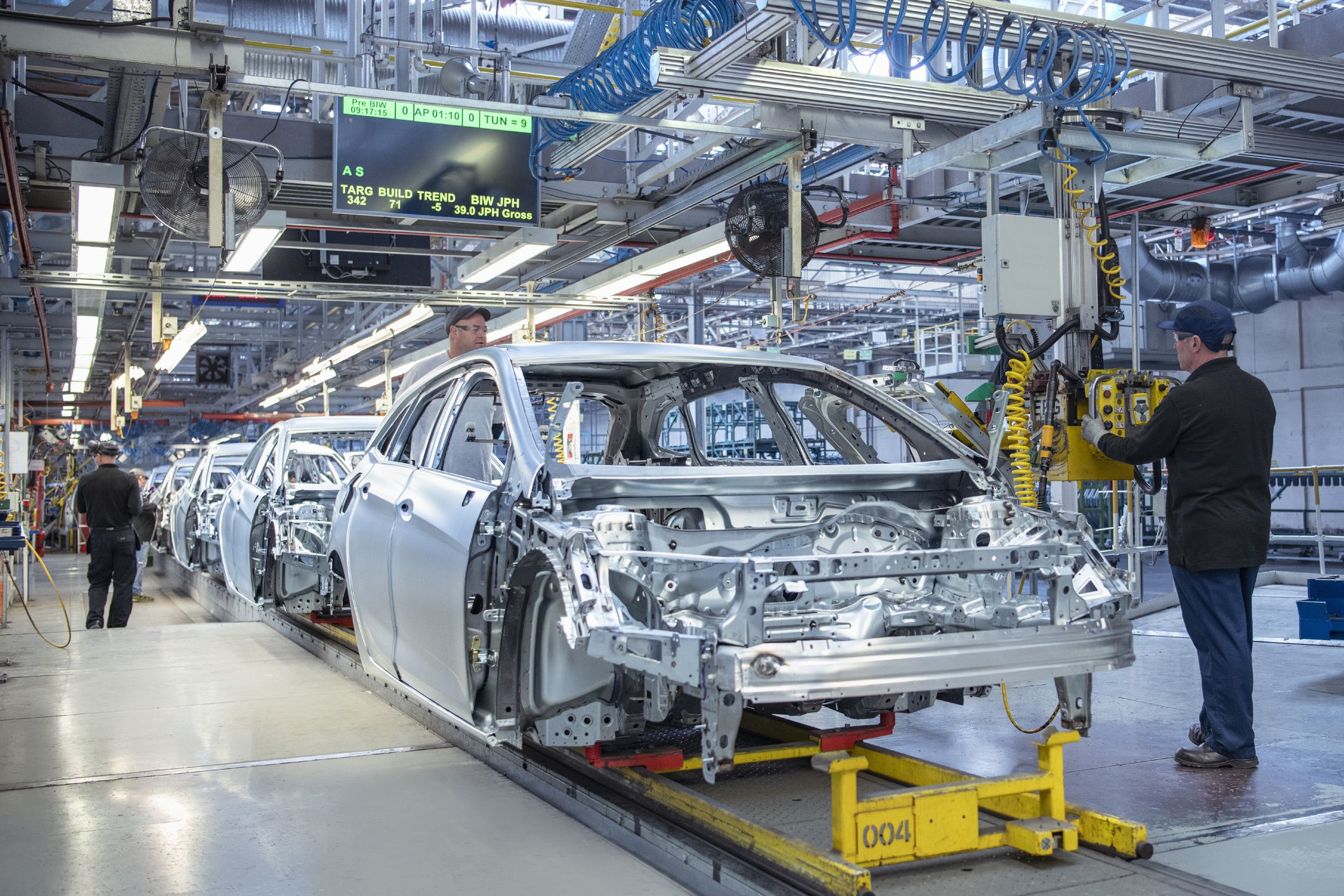
Sector-Specific Struggles and Resilience
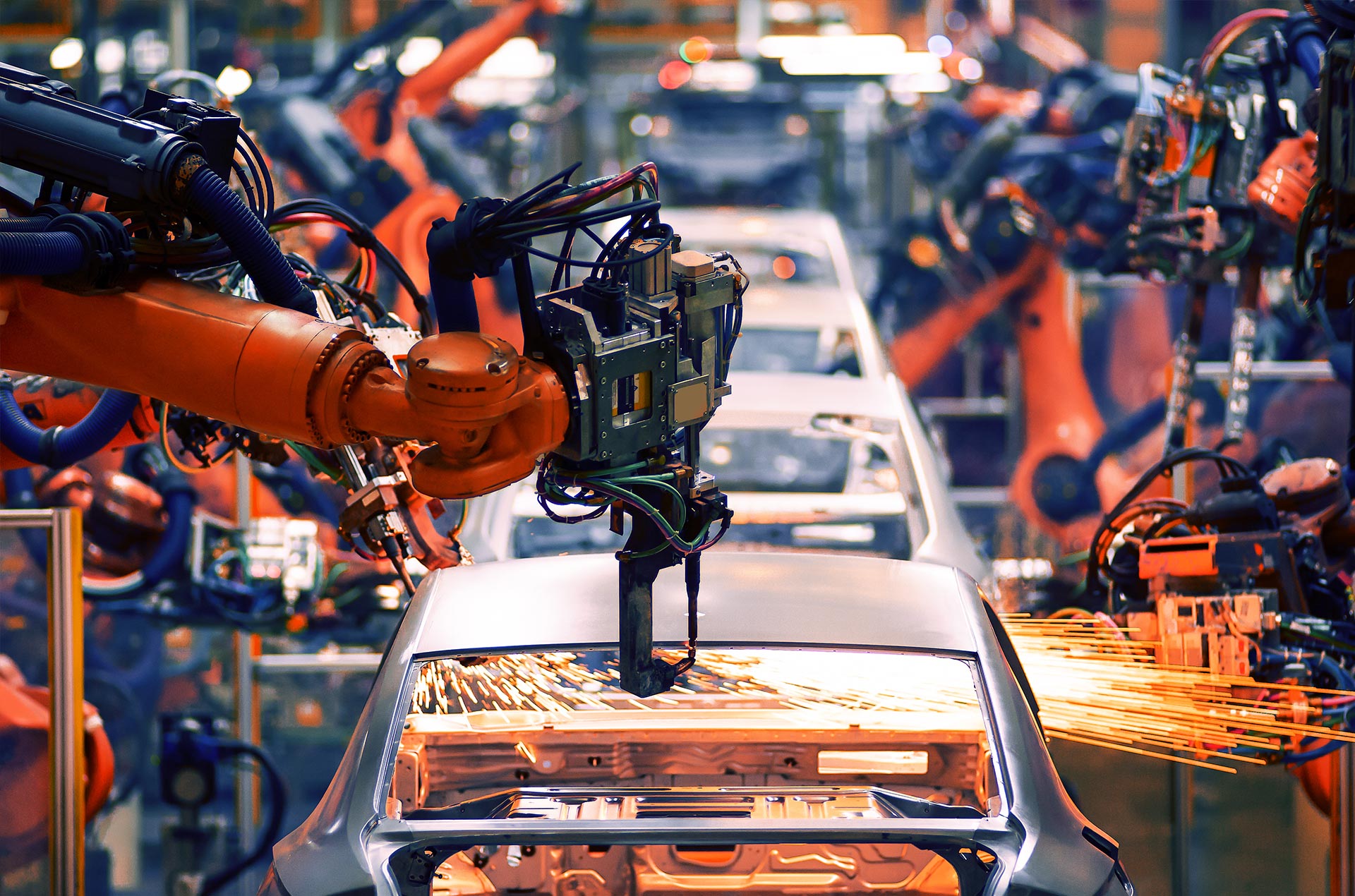
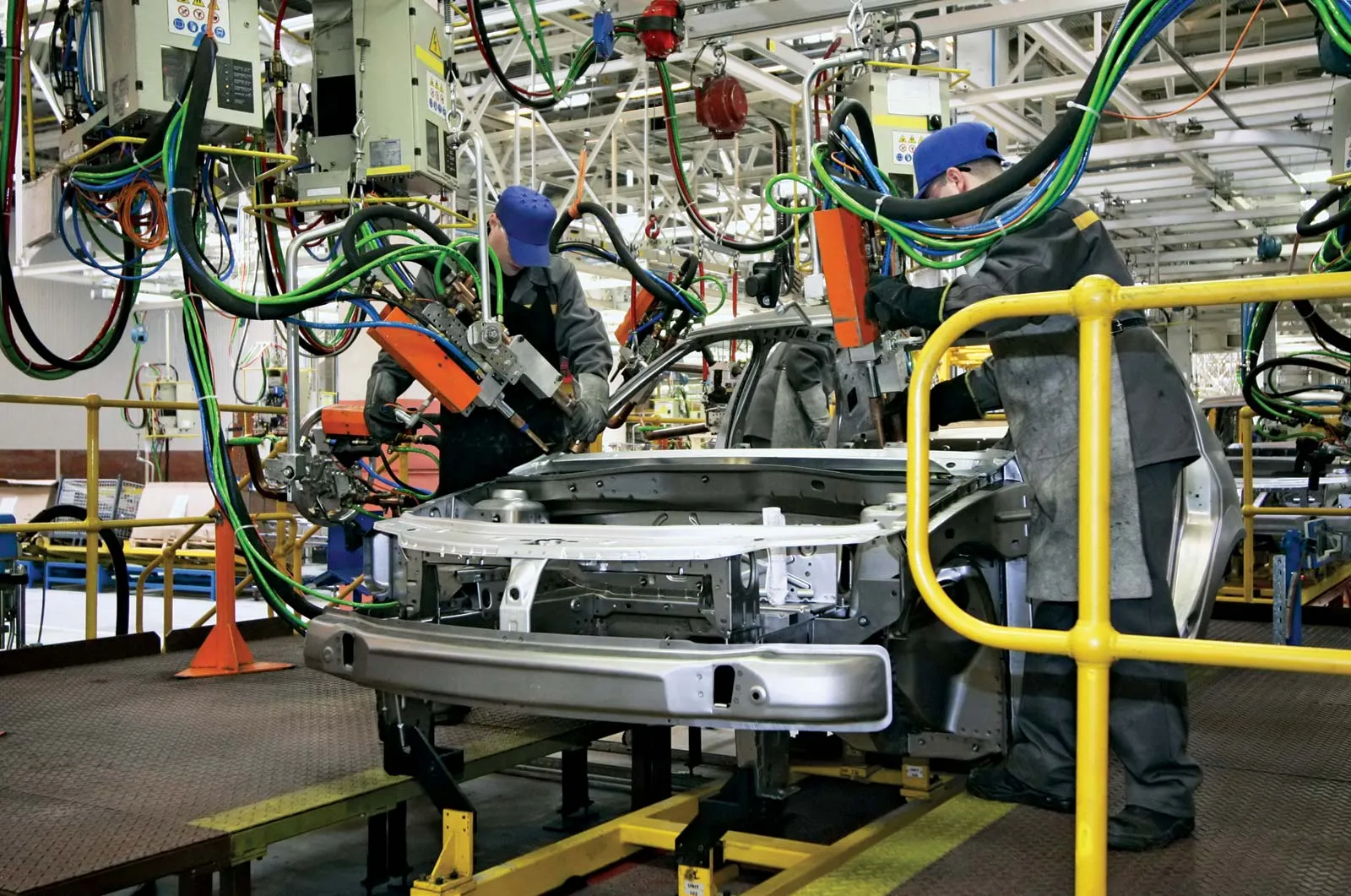
The granularity of the downturn is visible across specific sectors. Semiconductor sales, though still robust, grew by 30.8%, marking their weakest upsurge in nearly a year. Meanwhile, the automotive sector faced a sharp decline, with car sales plummeting 13.6%, exacerbated by strikes at key auto parts makers and logistical delays due to adverse weather conditions. Despite these hurdles, there was a modest uptick in exports to the European Union, which rose by 0.9%.Government Response and Economic Strategies
Amid these challenging economic indicators, South Korea's government, led by Trade Minister Ahn Duk-geun, is not sitting by passively. Ahn emphasized the commitment to "team up with the private sector and utilize all available resources to export even a dollar more by the end of the year." This proactive stance highlights the government's resolve to stabilize and potentially revitalize export growth despite prevailing global headwinds.