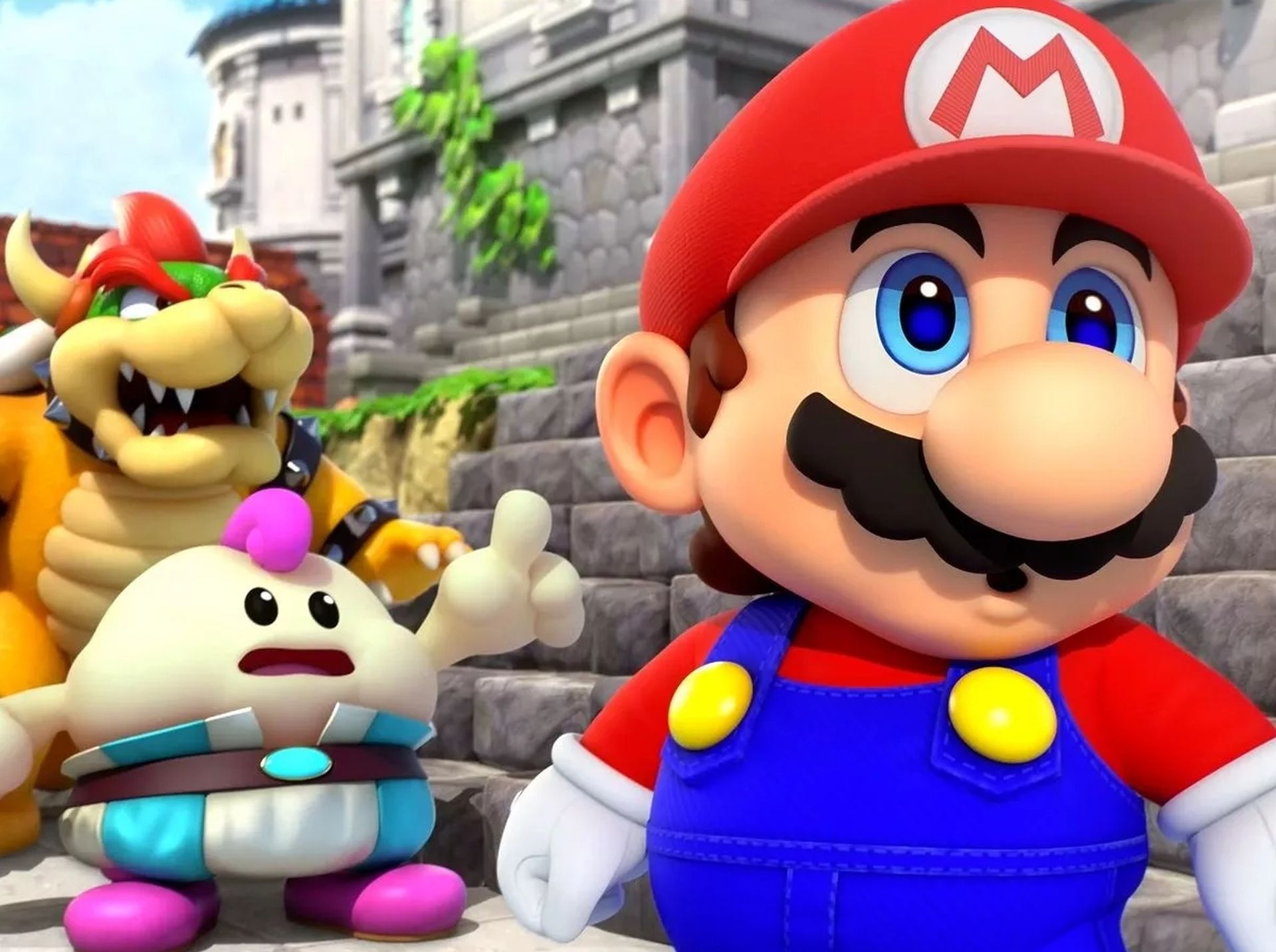
In the fast-evolving realm of artificial intelligence, OpenAI's video-generating AI, Sora, represents a significant technological advancement with its ability to generate videos from simple prompts. However, this innovation does not come without its controversies. Recent observations suggest that Sora might be utilizing game content from sources like Twitch streams and walkthroughs, a practice that could potentially lead to legal issues.
Legal Experts Weigh In on the Implications
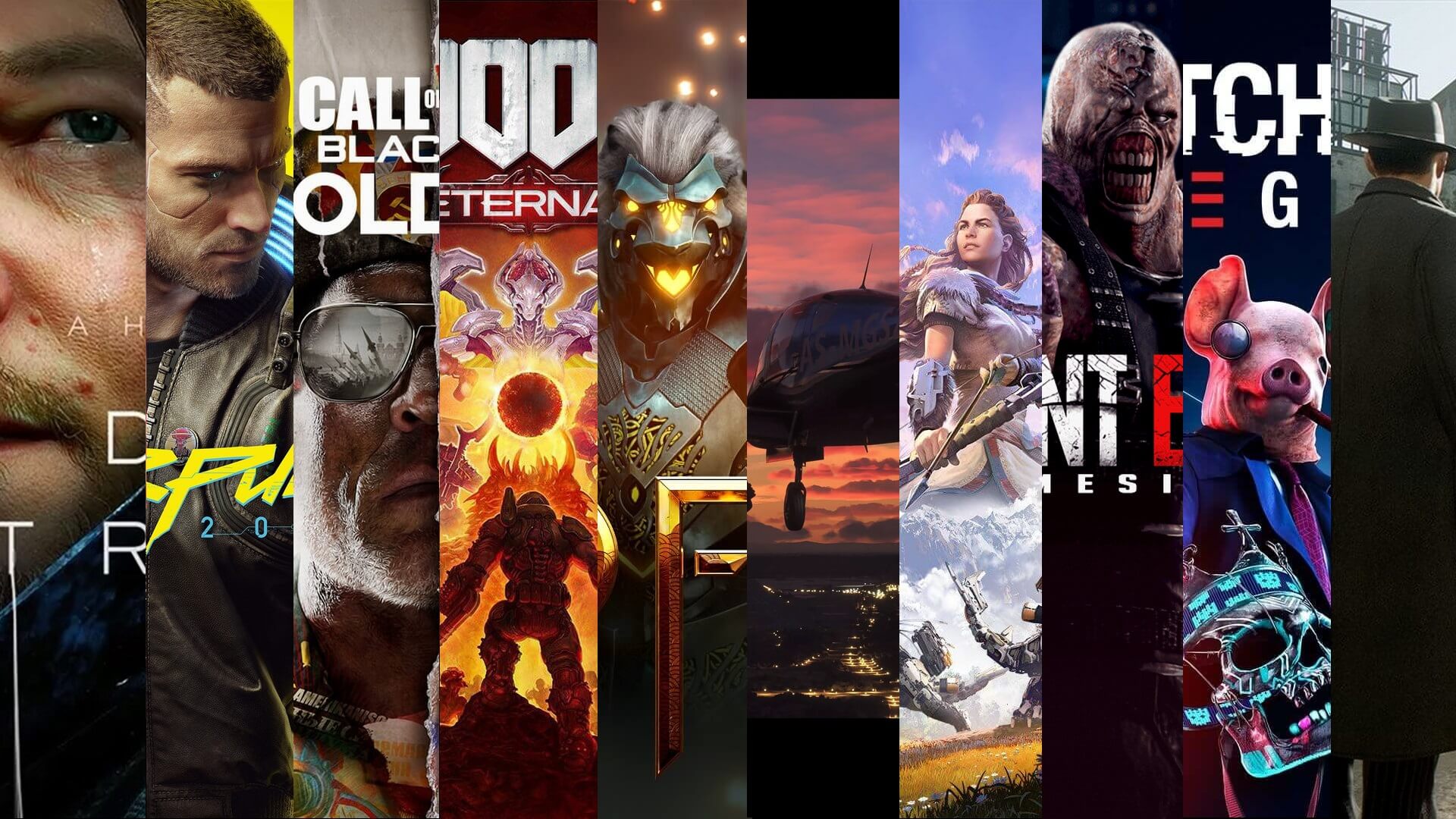
The use of such content, if unlicensed, poses significant intellectual property (IP) concerns. Joshua Weigensberg, an IP attorney at Pryor Cashman, emphasized that training generative AI models on video game playthroughs without proper licensing can be legally precarious because it involves copying the training data, which likely includes copyrighted materials. "Training a generative AI model generally involves copying the training data. If that data is video playthroughs of games, it’s overwhelmingly likely that copyrighted materials are being included in the training set,†Weigensberg explained to TechCrunch.Generative AI and Its Probabilistic Nature
Generative AI models like Sora are probabilistic, meaning they learn patterns from a vast amount of data to make predictions. This feature enables the models to approximate real-world scenarios, such as producing a video that captures the essence of a Twitch stream. However, this capability also raises concerns when the models generate outputs that are near-copies of their training examples, potentially leading to copyright infringement.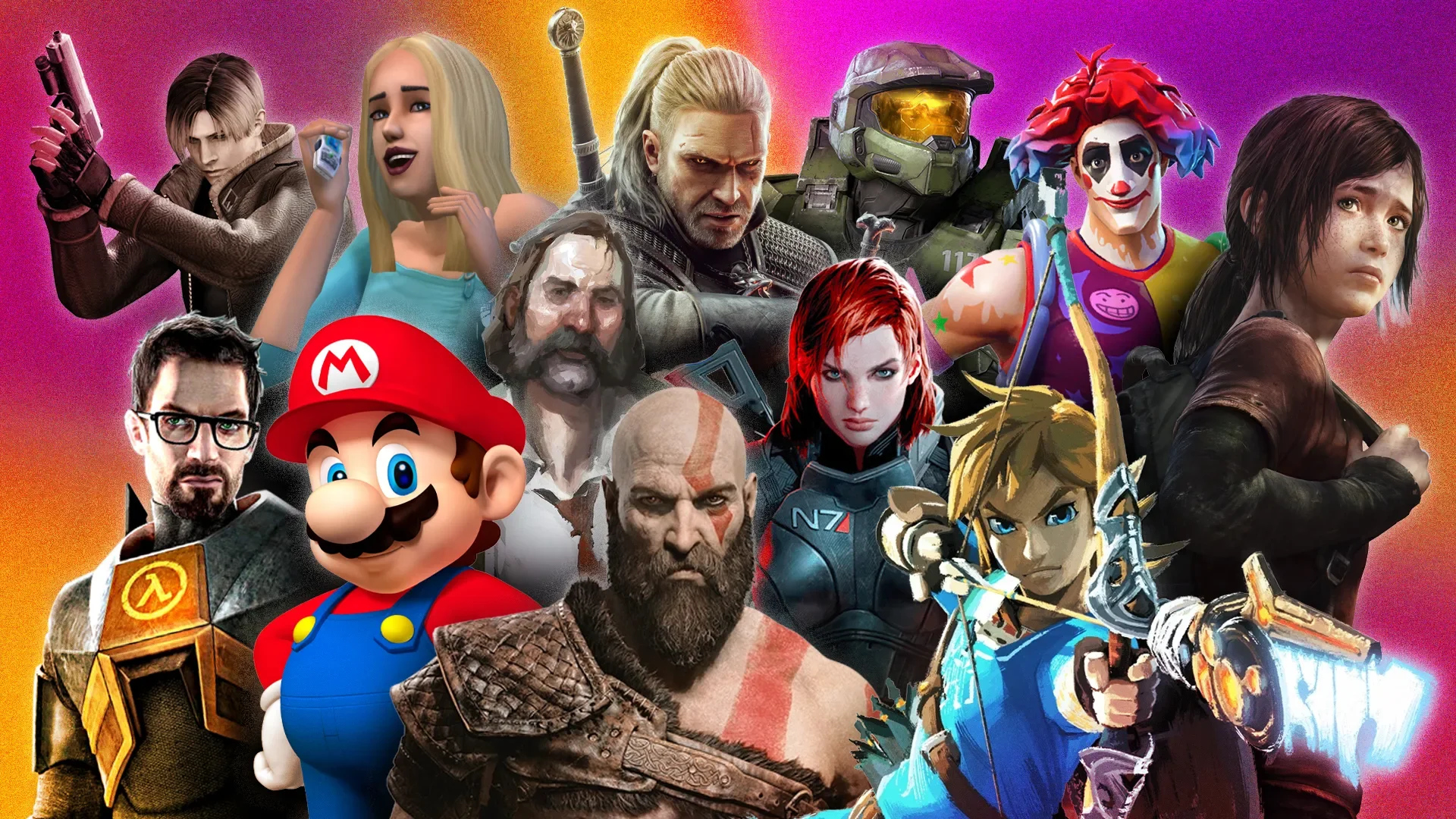
Potential Legal Battles Ahead
As AI technology continues to intertwine with creative content, the likelihood of legal challenges increases. Several AI companies are already facing lawsuits for allegedly allowing their tools to replicate licensed content. The outcome of these legal disputes could set a precedent for how generative AI is perceived and regulated in terms of copyright law. Evan Everist, a copyright law attorney, highlighted the complexities of copyright protection in game content, noting that playthrough videos could involve multiple layers of copyright from the game developer, the player, and potentially user-generated content within the game. "For any developers training AI on such videos, the risk exposure is exponential,†Everist stated.OpenAI's Stance and Industry Response
OpenAI has remained somewhat opaque about the specific sources of its training data, though it acknowledged the use of publicly available data and licensed content from stock media libraries. The company's reticence to comment further, combined with the cautious statements from game developers like CD Projekt Red and EA, underscores the sensitivity and potential repercussions of this issue. The ongoing legal debates and the growing scrutiny over AI-generated content underscore a critical need for clear policies and more transparent practices within the AI industry. As companies like OpenAI navigate these complex waters, the balance between innovation and respect for intellectual property rights remains a pivotal challenge.