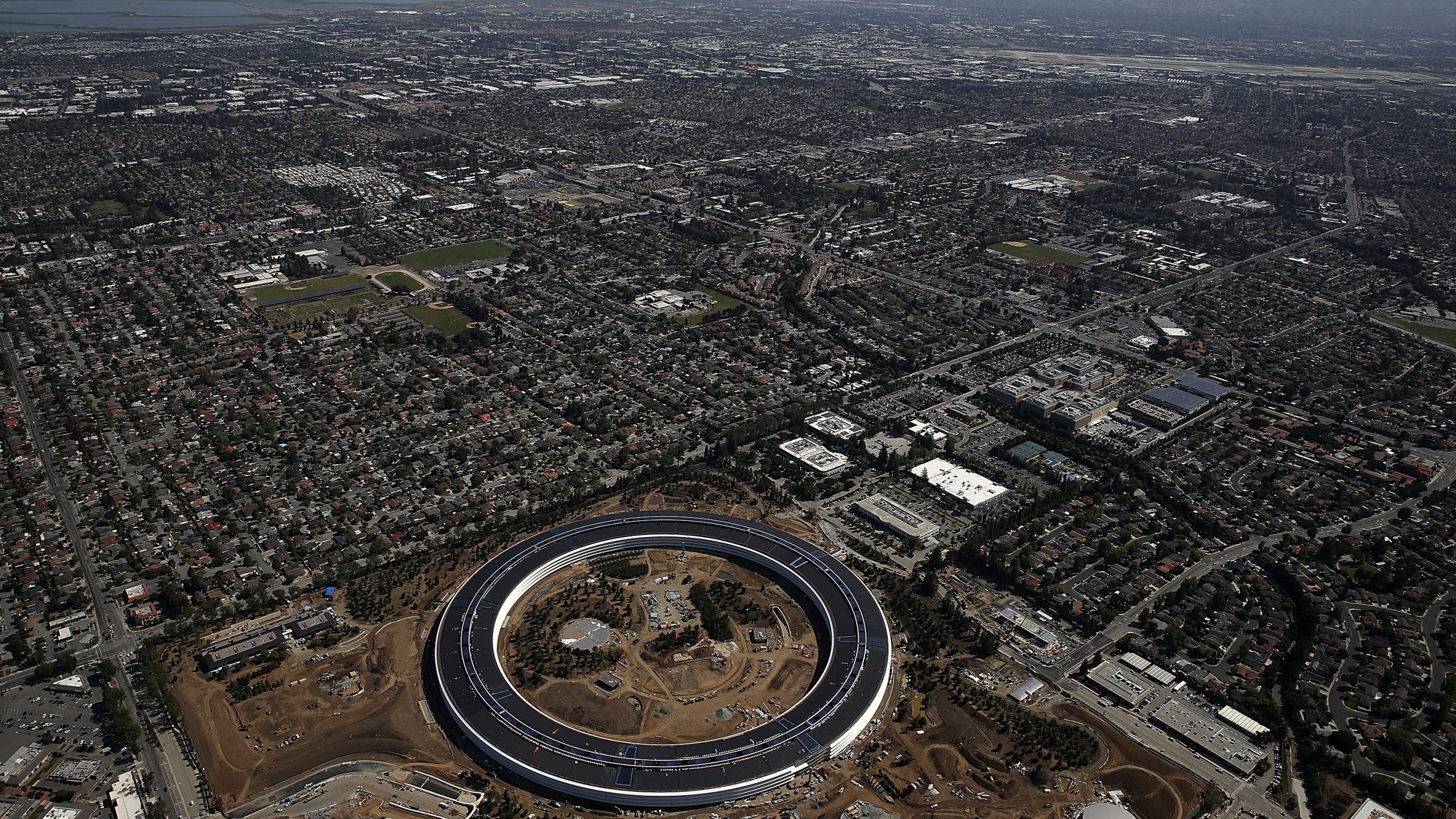
Silicon Valley, once the pulsating heart of technological innovation and a beacon of endless opportunities, is now witnessing a profound transformation. The gleaming open offices, once filled with the promise of limitless kombucha and growth opportunities, have given way to a harsh new reality marked by job scarcity and existential crises among tech workers.
From Boom to Bust: The Tech Industry's Sharp Reversal
A few years ago, in 2021, the tech sector was in a golden age of growth, driven by government subsidies and the demands of a pandemic-driven economy. Companies competed in lavishness to attract top talent, offering perks like unlimited time off. Yet today, those once-sparkling taps of opportunity have dried up. The industry faces a relentless wave of layoffs and financial cutbacks, with artificial intelligence absorbing an ever-increasing share of operational budgets. In this bleak landscape, even Silicon Valley’s most secure jobs have crumbled. Software engineers and developers, once confident in the security of their positions, now face a job market as challenging as the region's notorious housing prices.Personal Stories of Disillusionment and Change
Daelynn Moyer, a 55-year-old former managing engineer at Indeed, represents a growing number of Silicon Valley professionals rethinking their futures. After sending out 160 job applications without success, Moyer is contemplating a drastic life change—selling her home and retiring early to a farm. "It would be a meager existence, but it would be fulfilling," Moyer explained, expressing a sentiment of disillusionment with the industry that once defined her identity.
The Ongoing Crisis in Tech Layoffs
The situation shows no signs of improvement. Just yesterday, Meta initiated thousands of layoffs, approximately 5% of its workforce, with plans to replace some positions with AI systems. Google also continues to reduce its workforce, offering severance packages to encourage voluntary exits, particularly within its consolidated hardware department. The job cuts aren't limited to smaller tech firms; they're striking at the very core of the industry's giants—Apple, Microsoft, Google, Nvidia, Tesla, Amazon, and Meta. These companies, collectively known as the "magnificent seven," hold financial clout greater than many of the world's largest stock markets combined.