As Apple's Siri continues to falter, it's clear that drastic changes are needed to restore faith in voice-assisted technology. Despite being a groundbreaking feature at its inception, Siri's performance has deteriorated, turning from a "blow away" technology to what many now dismiss as "go away" technology.
The Rise and Stall of Siri
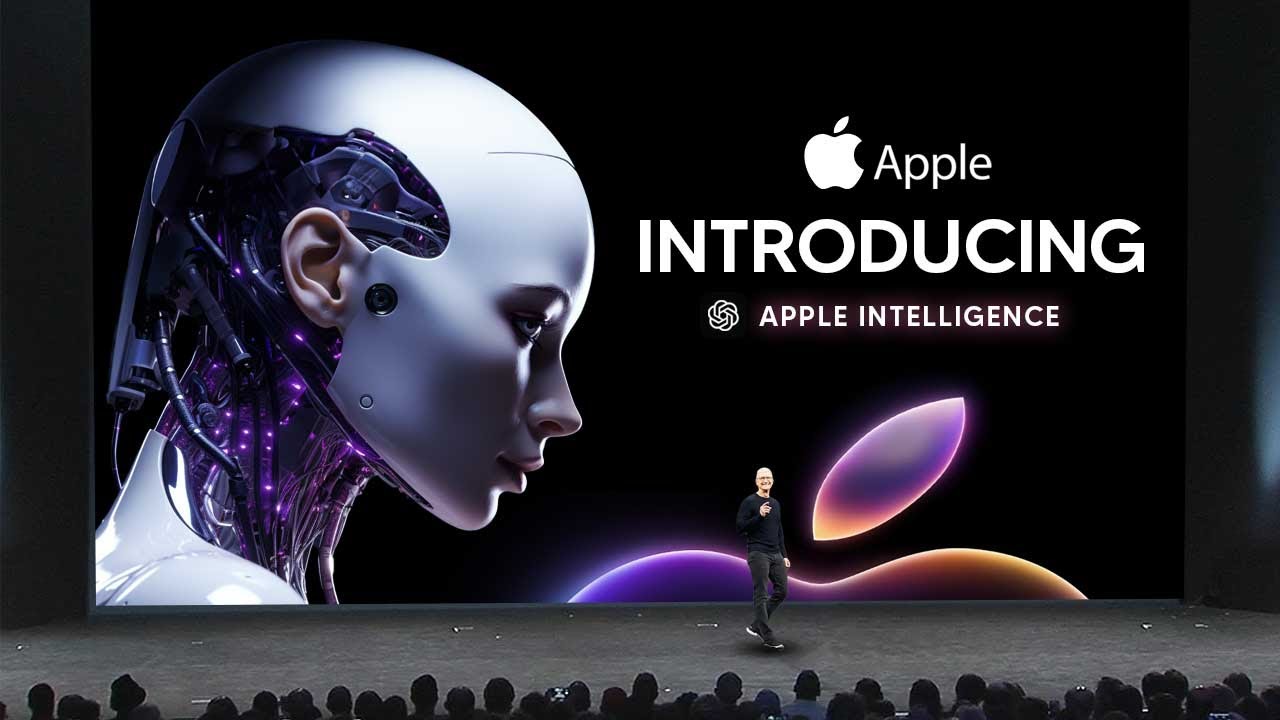
Introduced with fanfare by Scott Forstall during the iPhone 4S launch in October 2011, Siri set the standard for what a voice assistant could be. However, over the years, as expectations from such technology have grown, Siri has not kept pace. The once-celebrated assistant now struggles with basic tasks, reflecting a significant quality decline. Apple's incremental updates have yet to address the widening gap between user expectations and Siri’s capabilities. Critics, once eye-rollers at the notion of sidelining Siri, are now contemplating its replacement. This sentiment is fueled by the essential nature of voice commands in today’s tech ecosystem, evident in devices like CarPlay and AirPods, which rely heavily on voice interaction.A Vibe Shift at Apple
The perception of Siri and its integration into the Apple ecosystem suggests a disconnect between the technological advancements in AI and Siri's current state. The idea of declaring Siri complete and shifting focus to a less personified form of voice control is gaining traction. This approach involves refining existing functionalities while stripping away the less reliable features, possibly under a new brand that distances itself from the tarnished reputation of Siri.
Potential for New Integrations
The suggestion to open up iOS to other AI voice assistants like Google Gemini or Amazon’s Alexa+ reflects a growing industry trend towards more robust AI integrations. Allowing these technologies greater system integration without unlocking the device could revolutionize how users interact with their Apple devices, making the ecosystem more flexible and powerful.The Future of Voice Assistance
Looking ahead, Apple faces a crucial decision on how to evolve its AI strategy. The upcoming Worldwide Developers Conference (WWDC 2025) and subsequent iOS updates will likely be pivotal in determining the direction Apple will take with Siri and its broader AI ambitions. As the company prepares to finalize features for iOS 19, the integration and enhancement of AI capabilities within Siri could be a make-or-break factor for its future as a leader in voice-assisted technology.